What Is the Price of a Dental Bridge With 3 Teeth?
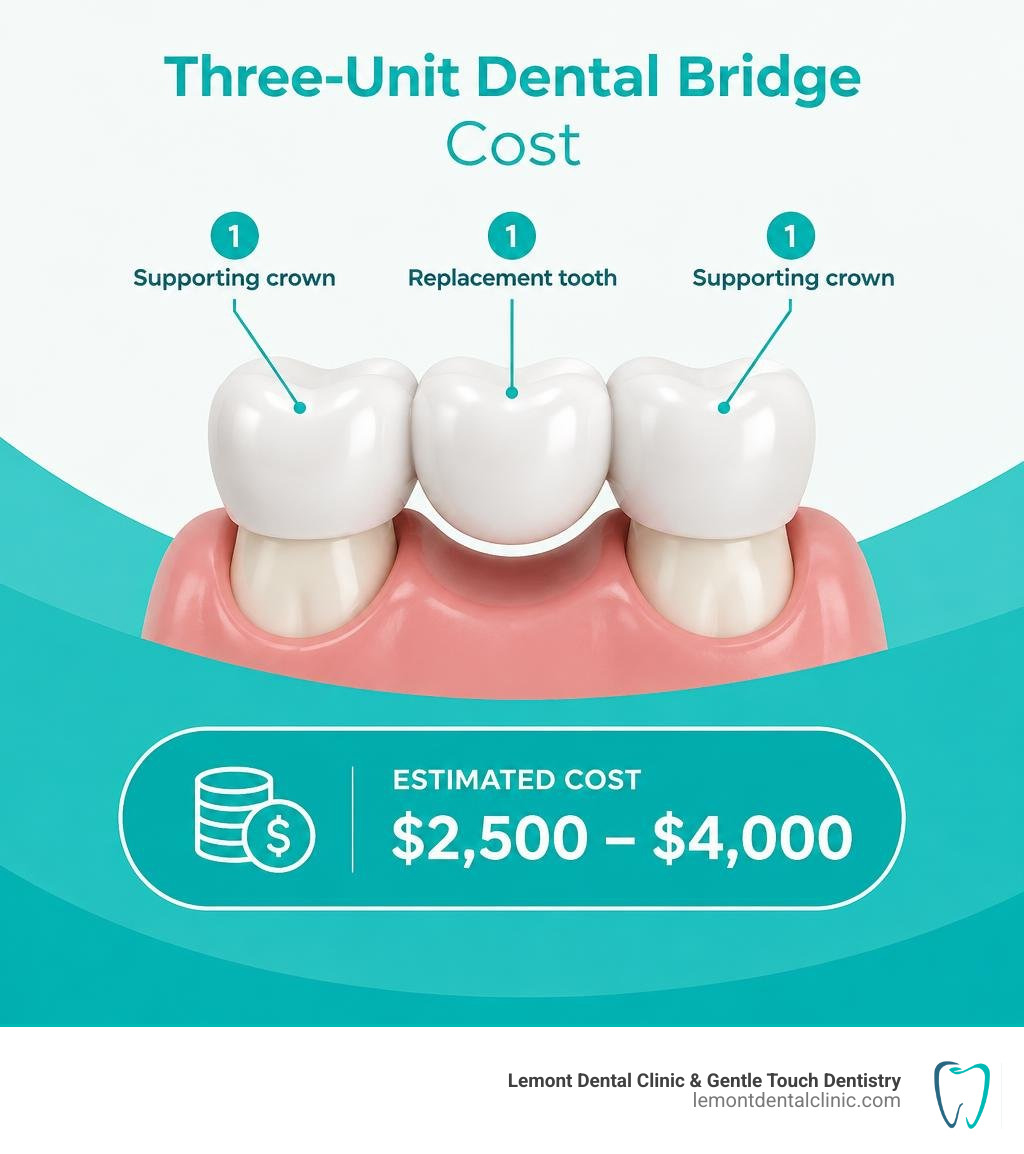
The price of a dental bridge with 3 teeth is typically $2,500 to $4,000 in the U.S. That estimate is for a traditional three-unit bridge: two crowns on teeth beside the gap and one false tooth between them. The average out-of-network price is about $3,600. Your final cost may change with the bridge material, the health of the supporting teeth, and your insurance benefits.
The word three matters here. A three-unit bridge usually replaces one missing tooth, not three missing teeth. If you need to replace three missing teeth, ask for a separate treatment estimate so you can plan around the right price.
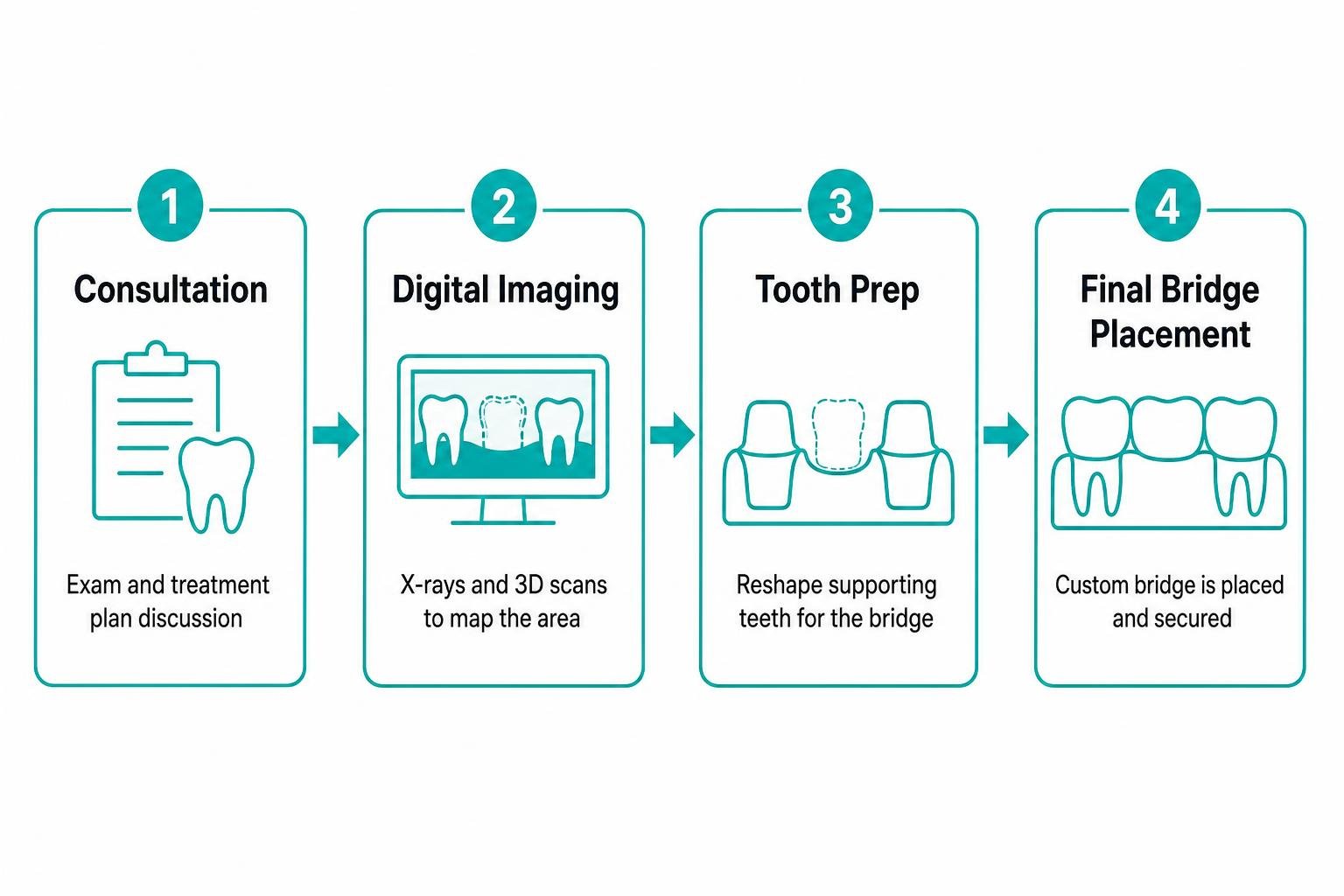
When you lose a permanent tooth, the empty space does more than just alter your smile. Over time, neighboring teeth begin to drift into the gap, opposing teeth can over-erupt, and your natural bite alignment shifts out of balance. A fixed dental bridge solves this issue by using two anchoring abutment crowns on your natural teeth to suspend a realistic prosthetic tooth, known as a pontic, right in the center.
Understanding the Price of Dental Bridge with 3 Teeth
Dental restoration pricing operates primarily on a per-unit basis. In a standard three-unit bridge, every single component—the two supporting crowns plus the central pontic—counts as one individual unit. Dental labs charge fabrication fees for each unit, and your clinical team spends careful chair time preparing and bonding every part of the structure.
According to baseline data from a Delta Dental cost overview, the average out-of-network price for a standard three-unit fixed bridge hovers around $3,600 across the United States. Depending on clinical complexity, geographic adjustments, and custom lab requirements, total fees generally span from $1,500 on the lower end up to $5,000 for complex cases. For an in-depth breakdown of how per-unit calculations translate into real-world dental bills, you can explore our fixed bridge cost guide 2026.
Estimated Price of Dental Bridge with 3 Teeth by Bridge Type
Not all three-unit bridges use the same mechanical design. Depending on where your gap sits, how healthy your adjacent teeth are, and whether you prefer a surgical or non-surgical route, we might recommend one of several structural approaches:
Traditional Fixed Bridge: The gold standard for single-tooth replacement. It places full crowns over the two healthy teeth on either side of the empty space to suspend the central pontic.
Cantilever Bridge: Used when you only have healthy natural teeth on one side of the gap. Because it anchors to adjacent teeth on just a single side, it acts like a lever and is generally reserved for front teeth that experience lighter chewing forces.
Maryland (Resin-Bonded) Bridge: Instead of grinding down natural teeth for full crowns, a Maryland bridge uses small metal or porcelain “wings” bonded directly to the backs of neighboring teeth. It is far less invasive but carries a higher risk of debonding under heavy chewing loads.
Implant-Supported Bridge: If you actually have three missing teeth in a row, rather than one gap between two natural teeth, an implant-supported bridge uses two surgically placed titanium posts to suspend three connected crowns across the gap.
Bridge Type
Typical Cost Range
Invasiveness Level
Expected Lifespan
Best Suited For
Traditional (3-Unit)
$2,000 – $5,000
Moderate (reshapes 2 teeth)
10 – 15 years
General tooth replacement with healthy neighbors
Cantilever
$1,500 – $3,500
Moderate (reshapes 1–2 teeth on one side)
7 – 12 years
Gaps with support on only one side
Maryland Bonded
$1,200 – $2,500
Minimal (resin wings on tooth backs)
5 – 10 years
Front teeth with minimal bite pressure
Implant-Supported
$5,000 – $15,000
High (surgical post placement)
15 – 30+ years
Replacing 3 consecutive missing teeth
How Materials Affect the Price of a Dental Bridge with 3 Teeth
The physical material your bridge is milled from shapes both its cosmetic appearance and its price tag. Different dental materials offer distinct trade-offs between sheer chewing durability and natural light translucency:
Porcelain-Fused-to-Metal (PFM): Ranging from $1,500 to $3,000, PFM bridges feature a strong cast-metal inner framework coated with tooth-colored porcelain. They offer excellent long-term durability for back molars, though a faint dark line can sometimes appear near the gumline over time.
Full Porcelain / Ceramic: Ranging from $2,000 to $4,000, all-ceramic designs mimic natural tooth enamel with lifelike translucency. They are the premier pick for front teeth where cosmetic perfection is your top priority.
Full Zirconia: Averaging $2,500 to $5,000, solid monolithic zirconia represents the most advanced ceramic in modern restorative dentistry. It is practically fracture-proof, stands up to intense grinding forces, and delivers a clean, tooth-colored appearance.
Cast Metal Alloys / Gold: Ranging from $1,500 to $3,200, full metal alloys provide unmatched biocompatibility and strength without wearing down opposing teeth, making them a functional choice for hidden back molars.
Additional Procedures That Impact Overall Treatment Costs
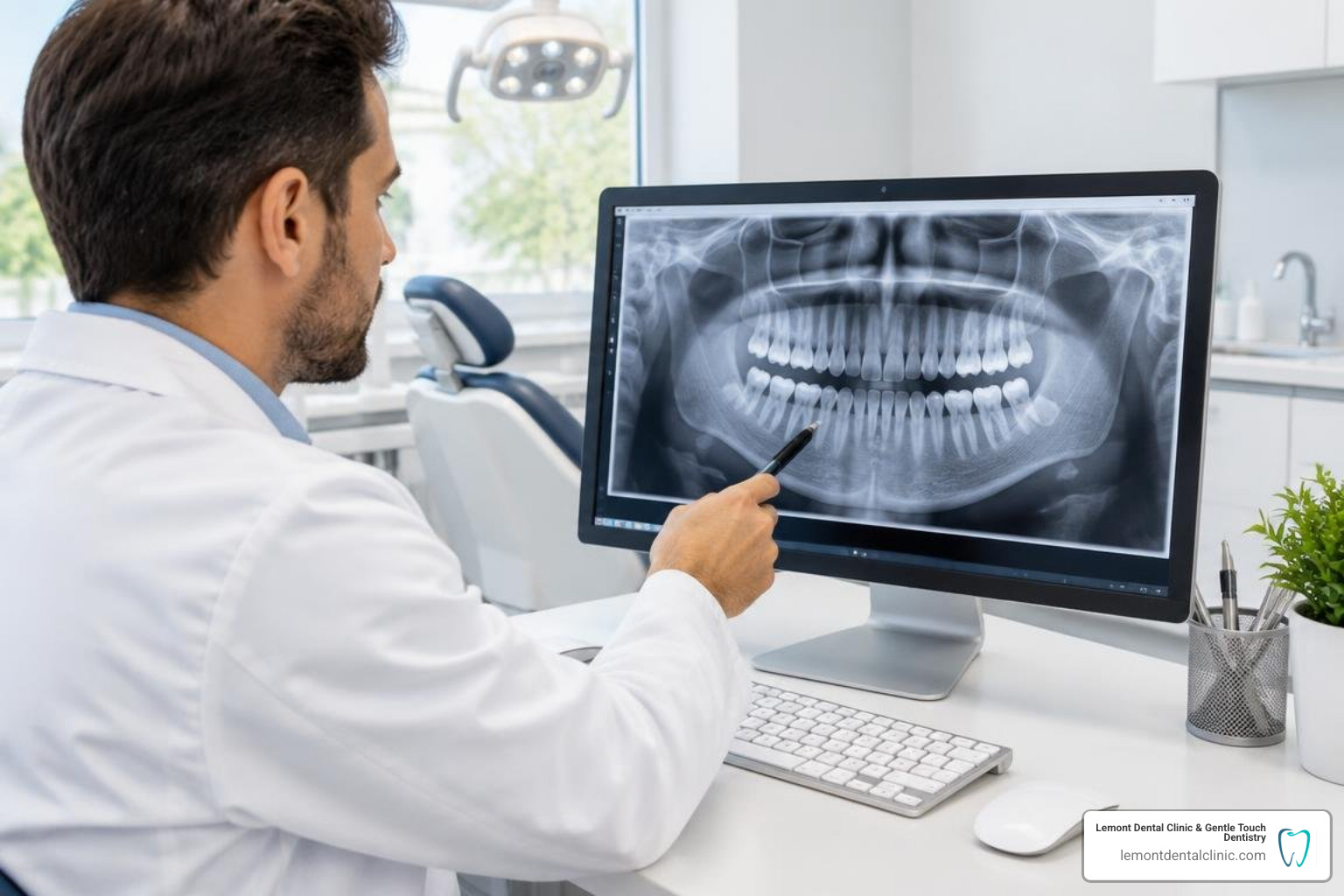
A dental bridge cannot simply be placed over unhealthy foundations. Before cementing your bridge in place, your dentist must evaluate the health of your supporting teeth, gums, and underlying jawbone. If preparatory care is needed, these initial procedures will add to your total investment:
Diagnostic Digital Imaging and 3D Scans ($50 – $300): Essential for mapping tooth roots, nerve pathways, and bone density.
Tooth Extractions ($150 – $500 per tooth): If a damaged or infected tooth must be removed before placing the bridge.
Root Canal Therapy ($700 – $1,500 per tooth): If an anchoring abutment tooth has deep nerve inflammation or trauma.
Periodontal Scaling and Root Planing ($200 – $800): Deep gum treatments required to eliminate active gum disease before restorative bonding.
Bone Grafting ($400 – $1,200): Often needed if you opt for surgical dental implants to support a multi-tooth span.
Understanding these foundational steps helps prevent unexpected surprises on your final treatment plan. For a clear look at how these preparatory steps fit into total restorative costs, see the smart patient guide to advanced tooth bridge costs.
Dental Insurance Coverage and Out-of-Pocket Financing
Most standard dental PPO insurance plans classify a fixed bridge as a major restorative procedure. Plans that offer major restorative coverage often cover between 40% and 50% of the total bridge cost after you have met your annual deductible.
However, dental insurance policies come with several common restrictions:
Annual Maximum Limits: Most policies cap their total payouts between $1,000 and $2,000 per calendar year. Once your bridge claims hit that threshold, you pay all remaining costs out of pocket.
Waiting Periods: Many plans require you to hold your policy for 6 to 12 months before major restorative benefits activate.
Missing Tooth Clauses: If a tooth was lost before your current insurance policy began, the carrier may refuse to cover its replacement.
If you are paying out of pocket or navigating insurance limits, pairing your benefits with a Health Savings Account (HSA) or Flexible Spending Account (FSA) allows you to pay using pre-tax dollars. Many patients also manage their out-of-pocket expenses through healthcare installment financing, such as CareCredit, which splits the cost into predictable monthly payments. To better understand how long-term restorations function once placed, read more about permanent bridge teeth.
Frequently Asked Questions About 3-Tooth Bridge Costs
How long does a 3-tooth dental bridge typically last?
A standard three-unit dental bridge lasts between 10 and 15 years on average, with many well-maintained bridges lasting even longer. You can maximize your bridge’s lifespan by brushing twice daily, avoiding hard or sticky foods, and cleaning under the central pontic every day using specialized floss threaders or a water flosser.
Is getting a 3-tooth bridge painful?
The bridge preparation and placement process is comfortable. Your dental team administers local anesthesia to completely numb the supporting teeth and surrounding gums while shaping the abutments. You might notice mild gum tenderness or slight temperature sensitivity for a few days after your visit, which usually resolves quickly with over-the-counter pain relievers.
How many appointments are needed for a 3-unit bridge?
A traditional bridge usually takes two appointments spaced about two weeks apart. During your first visit, your dentist numbs and prepares the anchor teeth, takes precise digital impressions, and places a temporary acrylic bridge. At your second appointment, your dentist removes the temporary piece, checks the fit and bite of your custom laboratory-milled bridge, and permanently cements it into place.
Conclusion
Restoring a missing tooth does far more than just refresh your smile—it protects your overall bite, prevents neighboring teeth from drifting, and restores your natural chewing strength for years to come. Whether you need a traditional three-unit ceramic restoration or an advanced implant-supported bridge, finding the right solution starts with an accurate clinical assessment and an honest cost breakdown.
At Lemont Dental Clinic & Gentle Touch Dentistry, we serve patients across Lemont, Palos Hills, and surrounding communities including Chicago Ridge, Worth, Palos Park, Hickory Hills, Oak Lawn, Orland Park, Palos Heights, Bolingbrook, Romeoville, Palisades, and Lockport Heights. Our experienced team uses advanced diagnostic technology to provide high-quality, comprehensive restorative care with clear, competitive pricing. When you are ready to explore your options and rebuild your bite with confidence, schedule an accurate 3-tooth bridge cost evaluation with our team today.