Understanding dental implant surgery cost: U.S., Atlanta, and Chicago benchmarks
When researching how much you might spend to replace a missing tooth, the wide range of numbers can feel dizzying. Across the United States, complete single-tooth restorations generally range from $3,000 to $7,000, with an overall national median cost of about $4,000.
Pricing varies considerably by region. According to a 2025 market analysis across major U.S. cities, the median fee for a completed implant in Chicago sits at approximately $4,500. By comparison, major southern metropolitan hubs like Atlanta often range between $3,000 and $6,000, while Georgia state averages for the surgical placement of the post alone hover around $1,962 to $4,150.
To understand your specific single dental implant cost per tooth, it helps to separate advertised “teaser” rates from real-world negotiated clinical fees. An online advertisement quoting $1,500 usually accounts only for the surgical post, leaving out the abutment and custom crown required to actually complete your tooth. The cost of dental implant surgery is best evaluated as a complete restoration rather than as an isolated surgical fee.
What does dental implant surgery cost include?
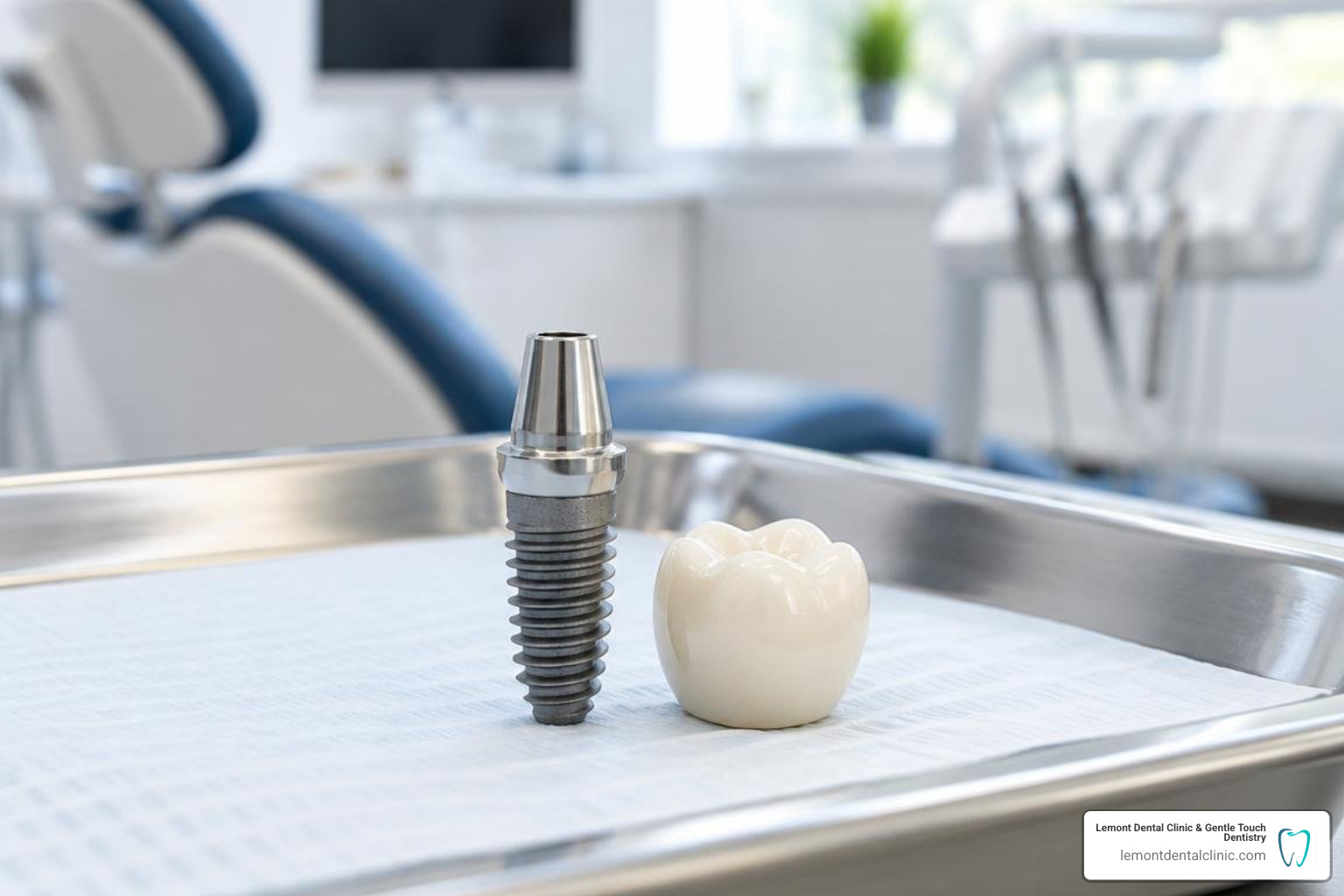
A complete implant procedure involves multiple distinct clinical steps. A comprehensive quote should account for the titanium post, the custom abutment, the final crown, surgical placement, 3D diagnostic imaging, and post-operative evaluations.
Component / Step
Typical Fee Range
What It Covers
Billed Separately?
Implant Post (Fixture)
$1,000 – $3,000
Titanium or zirconia screw placed into jawbone
Often quoted as standalone surgery
Abutment
$300 – $800
Connector piece linking post to crown
Sometimes bundled with post
Implant Crown
$800 – $2,500
Custom ceramic or zirconia visible tooth
Almost always billed separately
3D CBCT Imaging
$150 – $500
High-resolution 3D scan for surgical mapping
Frequently billed at initial consult
Surgical Guide
$200 – $800
CAD/CAM guide for precise angle placement
Billed based on case complexity
How do Atlanta and Chicago implant prices compare with national benchmarks?
Metropolitan pricing reflects commercial rent, regional lab fees, and practitioner overhead. While Atlanta averages $3,000 to $6,000 per tooth, our local Chicago metropolitan market—including suburban communities like Lemont, Palos Hills, Orland Park, and Romeoville—maintains a median of around $4,500 for total treatment.
National baseline ranges spanning $3,000 to $7,000 demonstrate that local Illinois suburban care remains highly competitive with broader national figures, especially when diagnostic imaging and restorative stages are streamlined under one roof.
What factors change dental implant surgery cost?
No two smiles share the exact same anatomy. Your final investment depends heavily on clinical variables: jawbone density, whether the tooth sits in the aesthetic zone (front) or chewing zone (rear), the total number of missing teeth, and your chosen sedation level.
How do specialists and general dentists compare on price?
You might expect specialists (such as oral surgeons or periodontists) to charge significantly higher fees than general dentists. However, multi-market pricing surveys reveal an unexpected pattern: specialist-performed implant placements show a nationwide median cost of $3,400, compared to $4,800 among general dentists who perform the procedure less frequently.
Specialists and high-volume implant centers often benefit from streamlined surgical workflows and bulk component purchasing. When weighing your options, reviewing provider-selection questions ensures you evaluate your provider’s surgical technology, complication rates, and restorative experience rather than title alone.
Which additional procedures can increase the total?
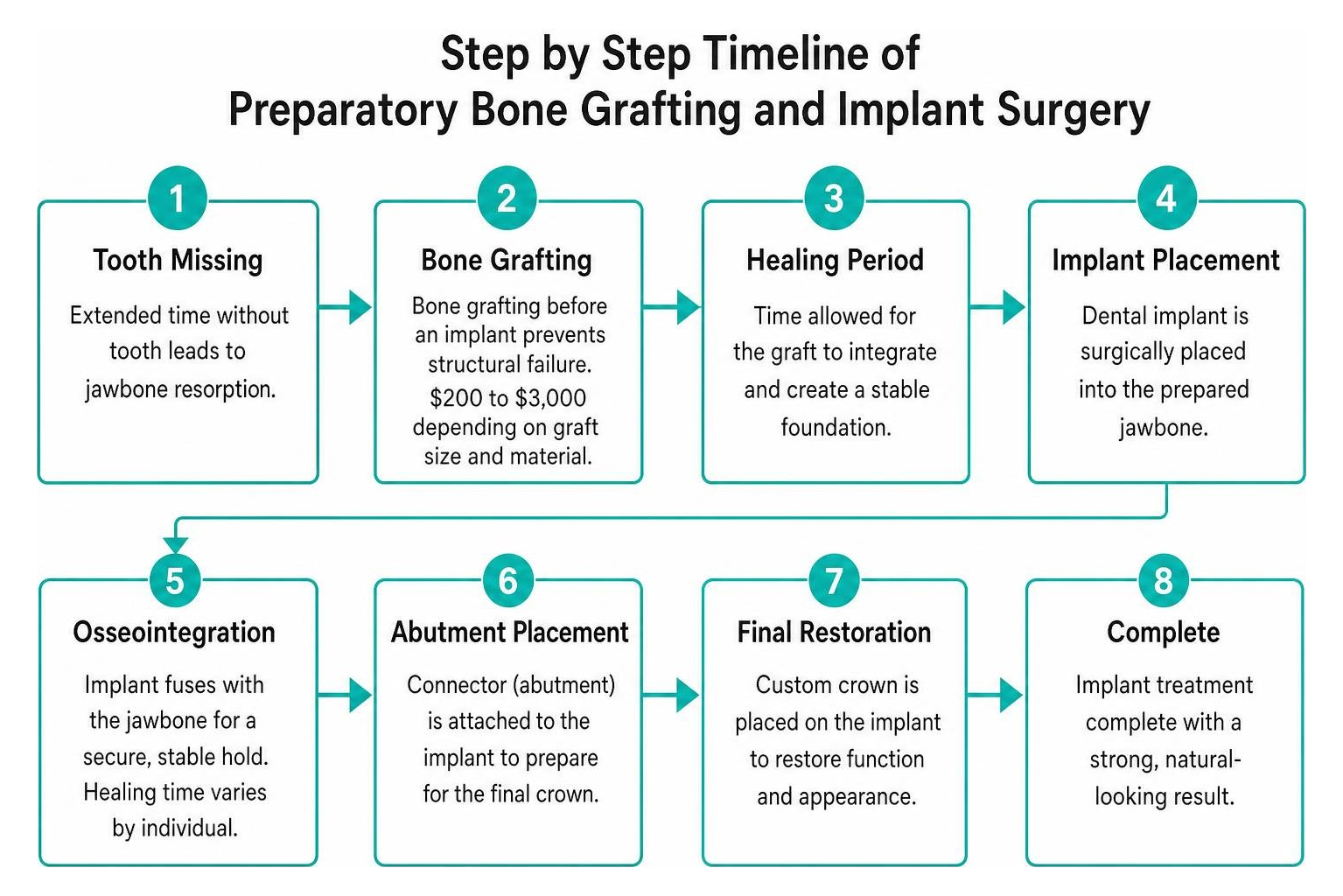
If a tooth has been missing for an extended period, the underlying jawbone naturally resorbs. In these situations, preparatory procedures are necessary to establish a stable foundation:
Simple or Surgical Extractions: $75 to $800 per tooth.
Bone Grafting: $200 to $3,000 depending on graft size and material. Performing a bone grafting before an implant prevents structural failure.
Sinus Lifts: $1,500 to $4,000 for upper molar regions with low sinus cavities.
Sedation Options: $250 to $1,000+ depending on whether you choose local numbing, nitrous oxide, or IV twilight sleep.
How do implant materials and crown types affect value?
The materials selected for your restoration directly influence both initial expense and long-term durability.
Titanium vs. Zirconia Posts: Traditional medical-grade titanium alloy remains the gold standard with a 95% clinical success rate over decades. Metal-free zirconia posts offer a hypoallergenic, tooth-colored alternative but often cost $1,000 to $2,000 more per site.
Crown Restorations: Porcelain-fused-to-metal (PFM) crowns represent an older standard, whereas solid monolithic zirconia or high-translucency lithium disilicate (E-max) ceramics deliver superior fracture resistance and lifelike aesthetics without dark metal margins at the gumline.
How do implants compare with bridges, dentures, and full-arch treatment?
When missing teeth disrupt your bite, you have several restorative paths. While traditional bridges and removable dentures carry lower entry fees, they do not stimulate the jawbone underneath, which can lead to progressive facial collapse and recurring repair cycles.
What do All-on-4 and full-mouth implants typically cost?
If you need to replace an entire upper or lower dental arch, placing individual implants for all 16 teeth is cost-prohibitive. Instead, full-arch protocols anchor a complete, fixed prosthetic bridge onto four to six strategically angled implants.
All-on-4 (Single Arch): Nationally averages $23,500 (ranging from $14,000 to $32,000 per arch).
All-on-6 (Single Arch): Averages $28,500 (ranging from $18,000 to $40,000 per arch), providing extra stability for patients with higher bite forces.
Full-Mouth Restoration (Both Arches): Typically ranges from $30,000 to $65,000 (national average ~$44,500).
How can you plan payment and compare implant quotes?
Navigating dental insurance and financing makes treatment manageable without unexpected surprises. Consulting detailed insurance coverage for dental implants guides clarifies what insurance carriers typically fund.
While policies historically viewed implants as elective, many modern dental plans cover 50% of the restorative crown or diagnostic imaging up to your annual maximum (typically $1,000 to $2,500). Resolving common implant insurance coverage questions through a formal pre-treatment estimate ensures you know your exact out-of-pocket balance before surgery.
To cover remaining balances, patients frequently utilize:
Tax-Advantaged Accounts: HSAs and FSAs allow you to pay with pre-tax dollars.
Healthcare Financing: Third-party programs like CareCredit or structured monthly terms break total costs into manageable payments. Exploring structured implant financing options makes comprehensive restoration feasible on any structured budget.
What should an itemized dental implant quote include?
To ensure total fee transparency and prevent hidden bills down the road, verify that your written plan clearly details:
Surgical post placement and implant hardware brand
Abutment fabrication (stock vs. custom milled)
Final crown material and laboratory fabrication fees
Any preparatory extractions, site preservation, or bone grafting
Digital planning, surgical guides, and 3D CBCT scans
Frequently asked questions about dental implant surgery cost
Does dental insurance typically cover implants?
Many dental plans contribute toward preparatory extractions, bone grafts, and the final implant-supported crown, even if they exclude the surgical titanium post. Always request a formal pre-determination from your insurer before treatment begins.
Is a specialist more expensive than a general dentist?
Not necessarily. Due to high procedure volumes and dedicated surgical suites, specialists and experienced implant practitioners often provide pricing that is equal to or lower than general dental offices that outsource surgical stages.
What is the lowest-cost way to replace a missing tooth?
A removable partial denture carries the lowest initial price tag. However, factoring in recurring relines, replacement appliances every 5 to 7 years, and adjacent tooth damage often makes a single permanent implant more economical over a lifetime.
Conclusion
Understanding what goes into replacing a missing tooth allows you to weigh long-term health benefits against upfront costs with confidence. Rather than chasing unbundled promotional rates, focus on finding comprehensive, experienced care backed by transparent pricing.
At Lemont Dental Clinic & Gentle Touch Dentistry, we provide high-quality general and restorative dentistry for families throughout Lemont, Palos Hills, and surrounding communities including Homer Glen, Lockport, and Downers Grove. Our team combines advanced diagnostic technology with experienced clinical care to ensure your smile remains functional and beautiful for decades to come.