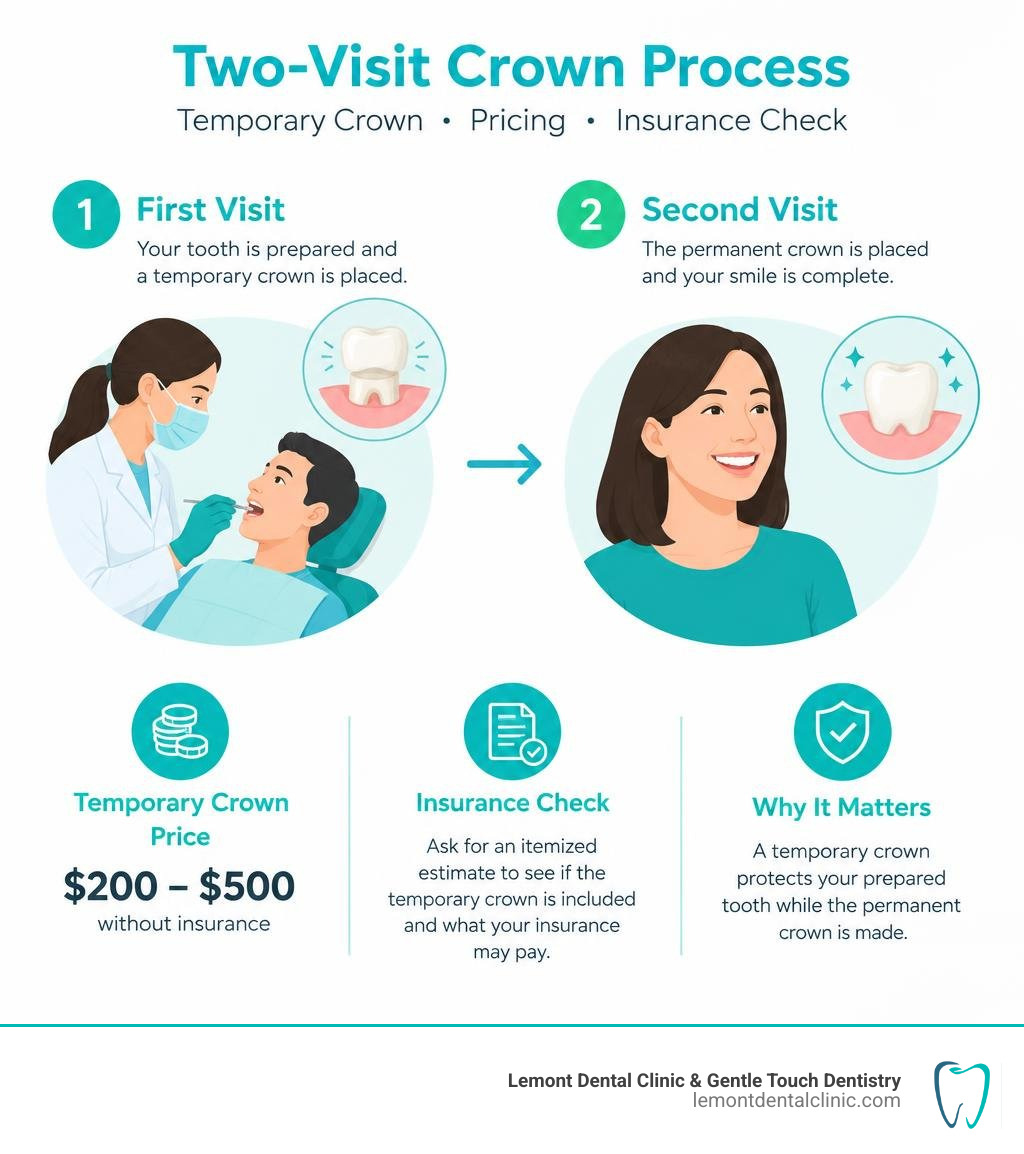
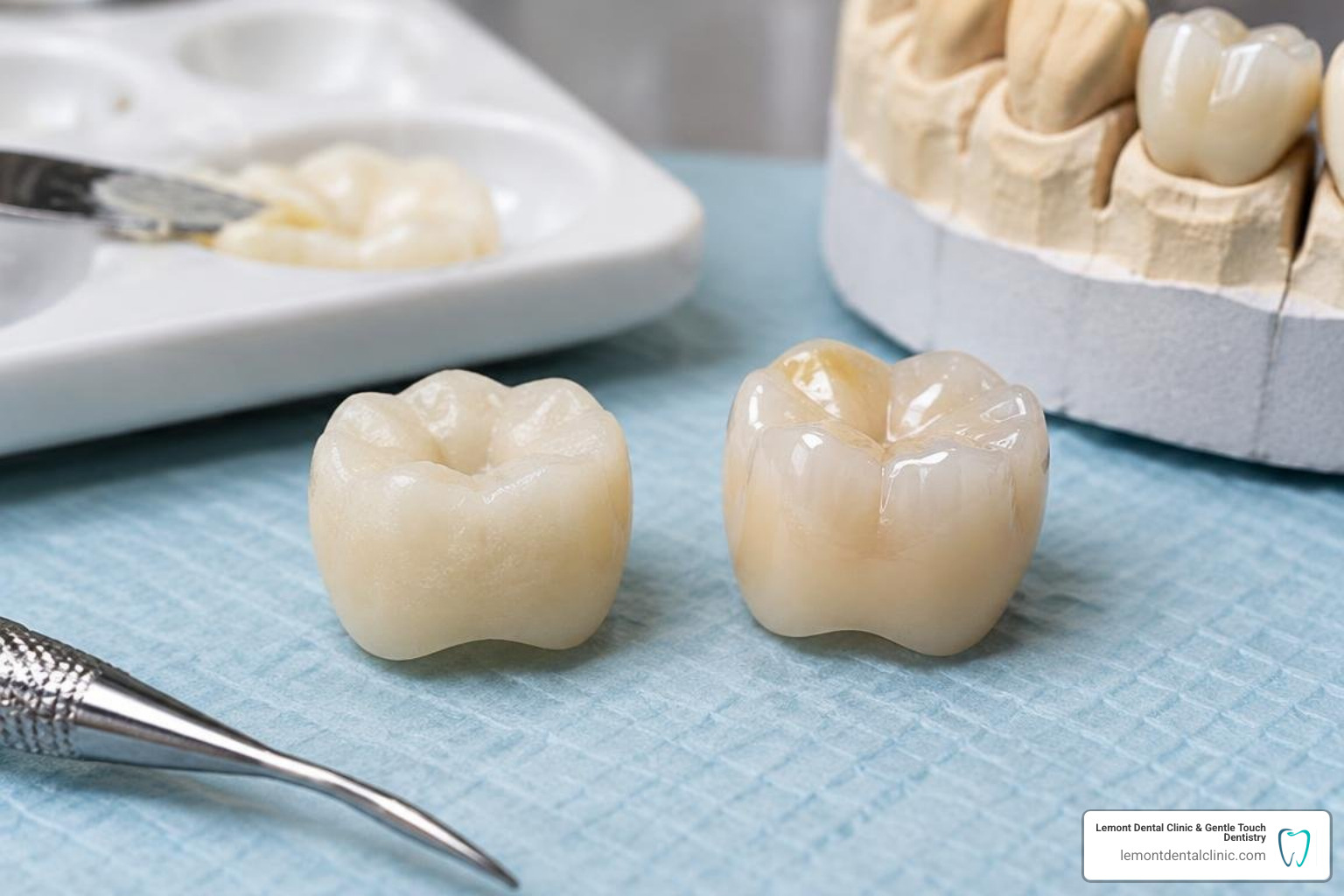
The price of a temporary crown is often included in the fee for your permanent crown. If it is billed separately, expect roughly $200–$500 without insurance. A basic crown made in the dental office may cost less, while a lab-made or emergency crown may cost more.
A temporary crown protects your prepared tooth while the permanent crown is made. Before treatment, ask for an itemized estimate showing whether the temporary crown is included and what your insurance may pay.
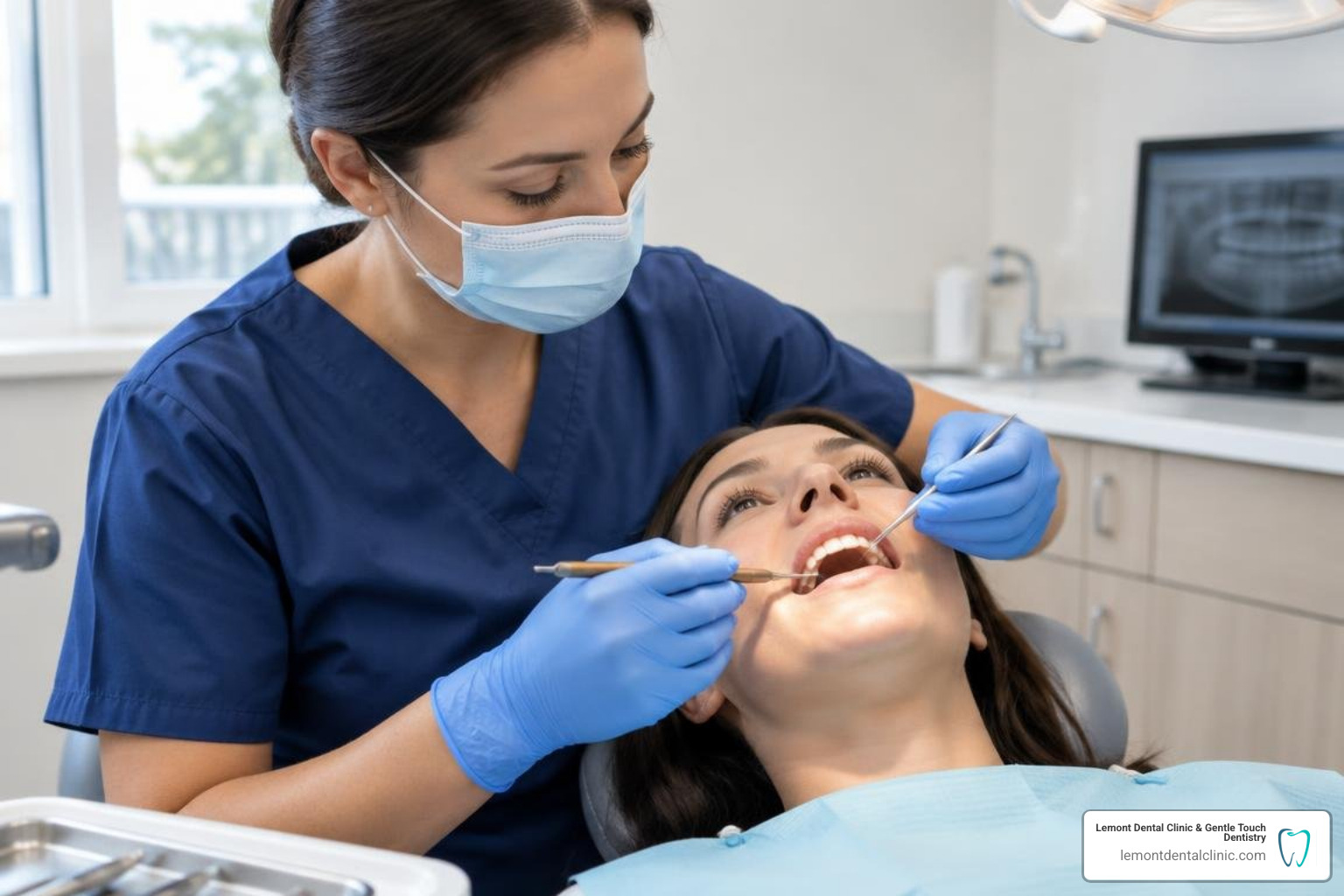
When preparing a tooth for a permanent cap, we remove a precise layer of compromised enamel and dentin. This leaves the inner tooth structure vulnerable to oral bacteria, chewing pressure, and extreme temperatures. A temporary crown—often called an interim or provisional restoration—serves as a protective shield while a commercial dental laboratory custom-mills your permanent restoration.
Without a provisional restoration in place, exposed dentin tubules transmit hot and cold sensations directly to the nerve pulp, causing intense sensitivity. As outlined in the Medical News Today guide on temporary crown uses and procedures, interim caps do far more than ease temperature sensitivity; they preserve the delicate gingival contour around the tooth margins and keep the gum tissue healthy until the final placement appointment.
Temporary vs. Permanent Restorations
Temporary and permanent restorations are engineered for entirely different lifespans and clinical demands:
Restorative Materials: We fabricate temporary restorations using polymethyl methacrylate (PMMA), acrylic resins, or advanced bis-acryl composite materials. In contrast, permanent crowns rely on high-strength materials such as monolithic zirconia, lithium disilicate (porcelain), or noble metal alloys.
Adhesive Cement: Provisional restorations are secured using intentionally weak, zinc oxide-based temporary cement. This ensures the cap stays stable while chewing but allows us to gently remove it without damaging the underlying tooth structure when the final crown is ready. Permanent restorations use high-bond resin or glass ionomer cements meant to last decades.
Longevity and Aesthetics: Temporary crowns are designed to function comfortably for two to six weeks. While we shade-match them to blend naturally with your smile, they lack the multi-layered translucency and extreme wear resistance of final porcelain.
Clinical Indications for Provisional Restorations
We place temporary crowns across several restorative procedures:
Extensive Decay or Fracture: When a tooth loses substantial natural structure, an interim cap stabilizes the remaining walls and prevents catastrophic structural failure.
Post-Endodontic Protection: Following root canal therapy, the hollowed tooth becomes brittle. An interim restoration protects the seal against oral bacteria while the final crown is being crafted.
Implant Healing Phases: Patients undergoing single-tooth or arch restoration often wear a temporary tooth while waiting for implant integration, safeguarding the site and shaping the gumline.
Space and Alignment Maintenance: If an prepared tooth remains uncovered, adjacent teeth can drift inward and opposing teeth can super-erupt into the open space. A properly fitted provisional cap locks the bite in place, guaranteeing that your permanent restoration fits perfectly.
Price of Temporary Crown Restorations in 2026
When budgeting for restorative treatment, understanding how provisional restorations are priced helps eliminate surprises. In 2026, the retail price of a standalone temporary crown across the United States generally falls between $200 and $500, though national averages for resin provisionals can span from $488 to $1,593 depending on the clinical scenario.
Standalone Price of a Temporary Crown vs. Bundled Treatment Fees
In most routine crown procedures, you will not see a separate charge for the temporary crown on your treatment estimate. Most dental practices bundle the clinical prep, digital scanning or impressions, local anesthetic, provisional fabrication, and permanent cementation into one comprehensive fee (typically $1,000 to $2,500 per tooth).
However, a temporary crown is billed as an isolated procedure when:
You fracture a tooth and require an emergency provisional cap before deciding on a comprehensive restorative plan.
An existing temporary crown placed elsewhere breaks or dislodges while you are traveling.
You require extended multi-month periodontal therapy or implant healing that demands a heavy-duty, reinforced diagnostic provisional.
Factors Determining the Price of Temporary Crown Restorations
Several clinical variables influence the final price of an interim crown:
Tooth Position and Aesthetic Demands: Fabricating a temporary crown for an anterior front tooth requires meticulous shade blending and gingival sculpting to maintain an attractive smile line, requiring more clinical chair time than a back molar.
Material Grade: In-office auto-mix bis-acryl composites provide superior margins and low shrinkage, but carry higher material costs than standard methacrylate resins.
Technology and Digital Scanning: Practices utilizing intraoral CAD/CAM digital scanners and 3D printers can produce highly accurate provisionals rapidly, which impacts procedural overhead.
Geographical Overhead: Regional fee dynamics alter private pricing across state lines, as detailed in the PlainDentalCost analysis on US dental crown fee schedules. Restorative costs in northern Illinois align closely with regional overhead and technological capabilities.
Dental Insurance Coverage and Payment Methods
Navigating dental insurance for restorative treatment can feel overwhelming, but interim restorations follow clear reimbursement rules under major dental plan structures.
Insurance Coverage and Benefit Limitations
Dental insurance plans usually classify crowns as “Major Restorative Services.” When coverage applies, policies typically cover approximately 50% of the total approved procedure fee, subject to your deductible and annual maximum (which frequently ranges from $1,000 to $2,000 per calendar year).
Key insurance factors to keep in mind include:
Bundled Billing Codes: Insurers rarely reimburse standalone CDT codes for temporary crowns (such as provisional crown codes) when performed alongside standard crown preparation. Instead, insurance companies consider the temporary cap an integral component of the primary crown code.
Waiting Periods: Many individual and employer plans enforce a 6-to-12-month waiting period for major restorative services before providing benefits for crowns.
Replacement Clauses: Most dental plans enforce a 5-to-7-year frequency limitation, meaning they will not pay to replace a crown on the same tooth unless that time has elapsed.
Because dental crowns and interim caps treat active structural damage and dental decay, they qualify as eligible medical expenses under Flexible Spending Accounts (FSA) and Health Savings Accounts (HSA).
Using pre-tax dollars from an HSA or FSA allows you to reduce out-of-pocket costs by an effective 20% to 35%, depending on your income tax bracket. For any remaining out-of-pocket balances, third-party healthcare financing options can break payments into manageable monthly plans.
Clinical Procedure, Longevity, and Proper Maintenance
Fabricating and placing an interim crown follows a structured, comfortable workflow:
Initial Impression or Scan: We capture a preliminary impression or digital scan of your natural tooth structure before preparation.
Tooth Reshaping: Under local anesthesia, the tooth is shaped to remove decay and create space for the permanent restoration.
Provisional Fabrication: We inject temporary composite resin into the initial matrix, seat it over the prepped tooth, and allow it to set.
Trimming and Bite Adjustment: The crown is polished, margins are smoothed to protect your gums, and the bite is checked with articulating paper.
Temporary Cementation: The cap is seated using a zinc-oxide provisional cement for easy removal at your final visit.
Because temporary cement is designed to release easily, protecting your interim restoration requires mindful daily habits:
Sticky and Chewy Foods: Stay away from chewing gum, caramel, taffy, and gummy candies, which can pull the temporary cap straight off the tooth.
Extremely Hard Items: Avoid crunching on ice cubes, raw carrots, nuts, hard crusts, and popcorn kernels that could fracture acrylic resin.
Modified Flossing Technique: When flossing between the temporary crown and neighboring teeth, pull the floss down into the contact, clean the tooth sides, and then gently slide the floss out sideways. Never pull the floss straight up, as the upward force can pop the crown loose.
Brushing Technique: Use a soft-bristled toothbrush with gentle, circular motions around the gumline to prevent tissue inflammation.
Emergency Steps for Loose or Dislodged Crowns
If your temporary crown comes off or feels loose over the weekend, follow these steps immediately:
Locate and Clean the Crown: Gently rinse the inside of the cap with warm water to remove residual cement.
Protect the Tooth: Never attempt to chew on the exposed tooth. Leaving a prepared tooth uncovered allows it to drift, which can prevent the permanent crown from fitting properly.
Temporary Reseating: You can purchase an over-the-counter temporary dental cement (such as Dentemp) or use a dab of plain toothpaste to gently seat the crown back over the tooth.
Contact Us Promptly: Call our office so we can clean the preparation and professionally recement the temporary restoration.
Frequently Asked Questions About Interim Dental Caps
How long can a temporary crown stay on your tooth?
A standard temporary crown is designed to stay on your tooth for two to three weeks while your permanent crown is fabricated. In specialized situations, such as implant healing or complex periodontal therapy, reinforced laboratory provisionals can safely remain in place for several months. Leaving a standard temporary crown on longer than recommended risks cement breakdown, bacterial leakage, and tooth decay.
Does dental insurance cover replacing a dislodged temporary crown?
If your temporary crown was placed as part of an active, ongoing crown procedure at our clinic, recementing it is part of your restorative treatment. If you require emergency recementation at an outside dental clinic while away from home, insurance may cover a portion of the palliative emergency visit code (CDT D9110) or recementation code (CDT D2920), subject to your plan deductible and coinsurance terms.
Are there alternative options to getting a full dental crown?
Yes, depending on how much healthy enamel and dentin remain. When tooth damage is moderate rather than extensive, conservative alternatives like porcelain inlays, onlays, three-quarter crowns, or bonded composite resin restorations can restore structural strength without requiring full enamel reduction. We assess your remaining tooth structure to recommend the most conservative, durable option.
Conclusion
A temporary crown plays a vital role in protecting your prepared tooth, keeping your bite aligned, and ensuring your permanent restoration fits comfortably. At Lemont Dental Clinic & Gentle Touch Dentistry, we provide comprehensive restorative and general dental care across Lemont and Palos Hills, IL, as well as nearby communities like Lockport Heights, Romeoville, Bolingbrook, Homer Glen, and Palos Park. We combine modern digital dentistry with transparent pricing to deliver exceptional, lasting smiles.
If you have a damaged, cracked, or painful tooth, explore our complete guide on the cost of 3 tooth bridge and restorative solutions to see how custom restorative dentistry can protect your oral health.