Built Up Plaque on Teeth: Do Not Try to Scrape It Off
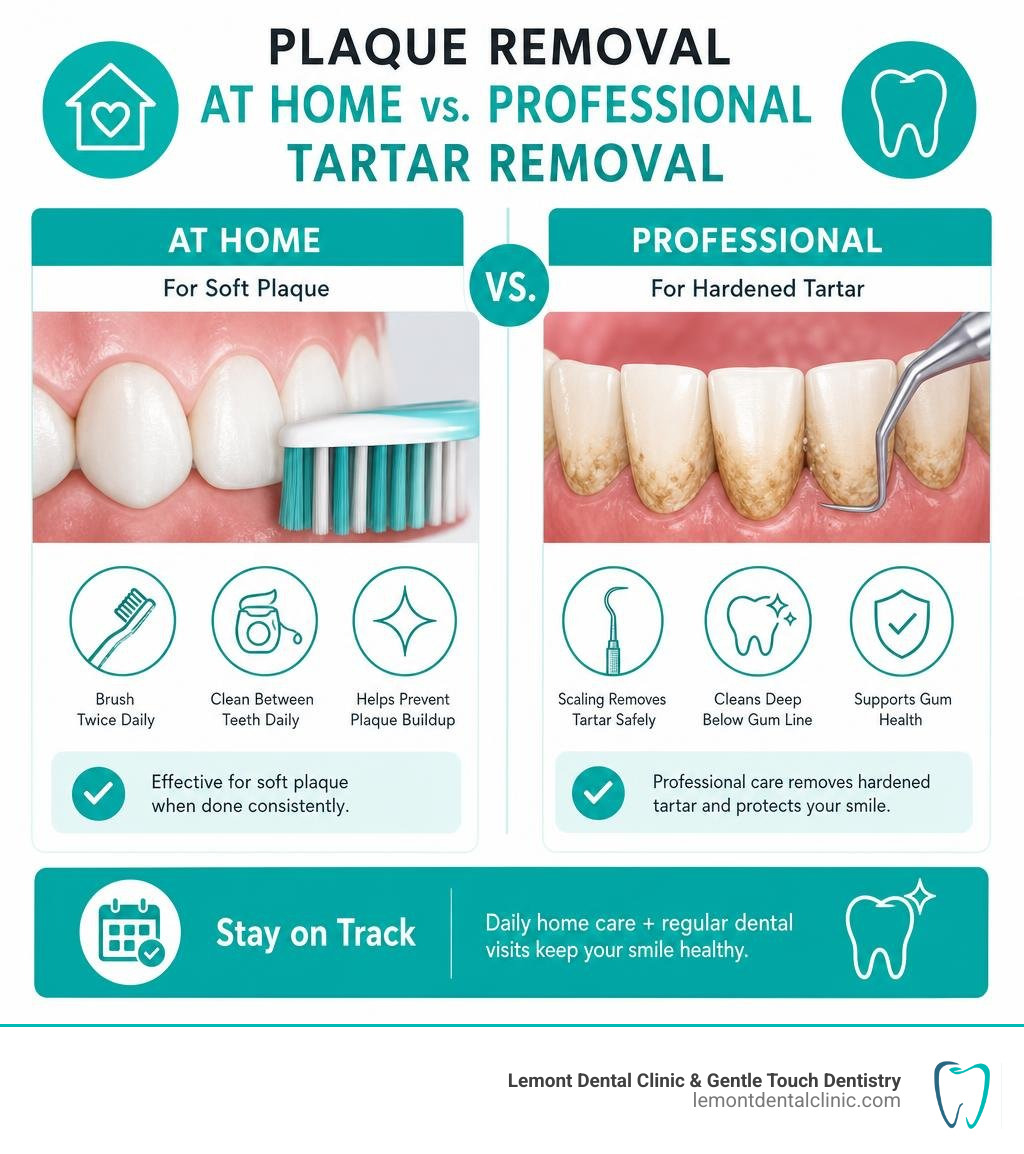
Built up plaque on teeth that feels hard, rough, or crusty is usually tartar, also called dental calculus. You can remove soft plaque at home with thorough brushing and daily cleaning between teeth. But once it hardens, do not use DIY scraping tools, toothpicks, or sharp objects. They can cut your gums or damage enamel. A dental professional needs to remove tartar safely with scaling tools.
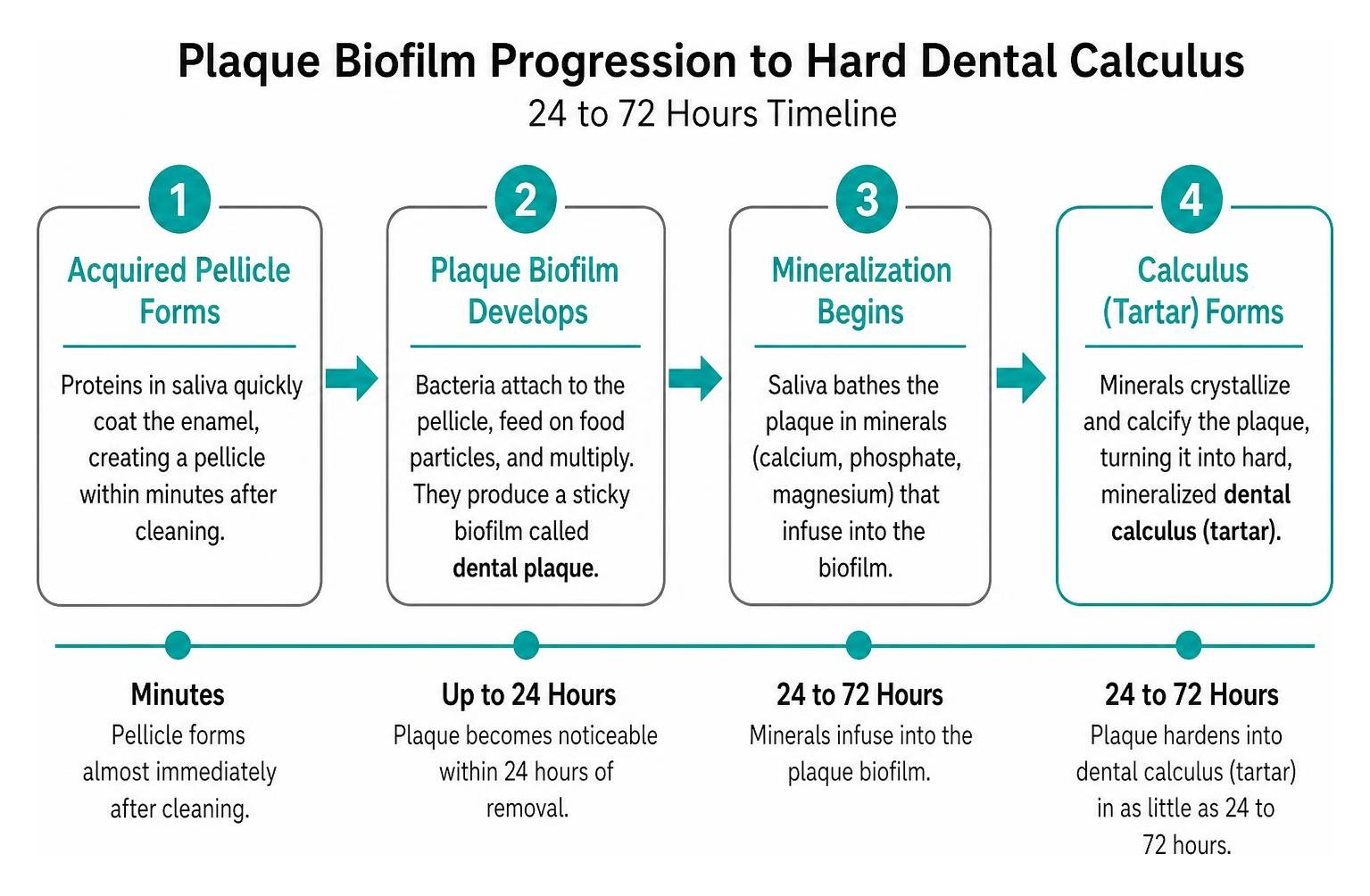
Plaque is a sticky bacterial film that forms every day. If it is not disrupted, minerals in saliva can harden it into tartar in as little as 24 to 72 hours. Tartar creates a rough surface where even more plaque can cling, raising the risk of bad breath, cavities, and gum disease.
If you see yellow, brown, or dark buildup near the gum line – or have bleeding gums or ongoing bad breath – schedule a dental visit rather than trying to chip it away yourself.
Understanding Built Up Plaque on Teeth and How It Turns Into Tartar
Every single person has bacteria living inside their mouth—in fact, researchers have identified over 1,000 distinct bacterial species in oral biofilm. Within minutes after you brush, a microscopic coating called the acquired pellicle forms over your enamel from proteins found naturally in your saliva.
This pellicle acts like a welcome mat for early colonizing bacteria. As these microbes feed on residual food particles—especially fermentable carbohydrates, sugars, and starches—they multiply, produce extracellular polysaccharides (a sticky “glue”), and construct a complex, living biofilm known as dental plaque. Water accounts for about 80% to 90% of plaque weight, while bacteria make up roughly 70% of its dry weight.
When soft plaque is left undisturbed, saliva bathes the biofilm in calcium, phosphate, and magnesium compounds. Over the course of 24 to 72 hours, these minerals infuse into the bacterial matrix. The soft film undergoes crystallization, calcifying into a rock-hard mineral deposit known as dental calculus or tartar. Once this chemical bonding to tooth enamel takes place, standard home brushing and flossing can no longer break the mineralized bonds.
Characteristic
Dental Plaque
Dental Tartar (Calculus)
Consistency
Soft, sticky bacterial biofilm
Hard, porous, mineralized rock
Color
Colorless, clear, or pale yellow
Yellow, tan, dark brown, or black
Removal Method
Daily brushing and interdental cleaning
Professional scaling by a dental provider
Formation Time
Starts within minutes; matures in 24 hours
Calcifies within 24 to 72 hours
Health Risks
Enamel demineralization, early gingivitis
Advanced periodontitis, bone loss, tooth mobility
What Plaque and Tartar Look Like
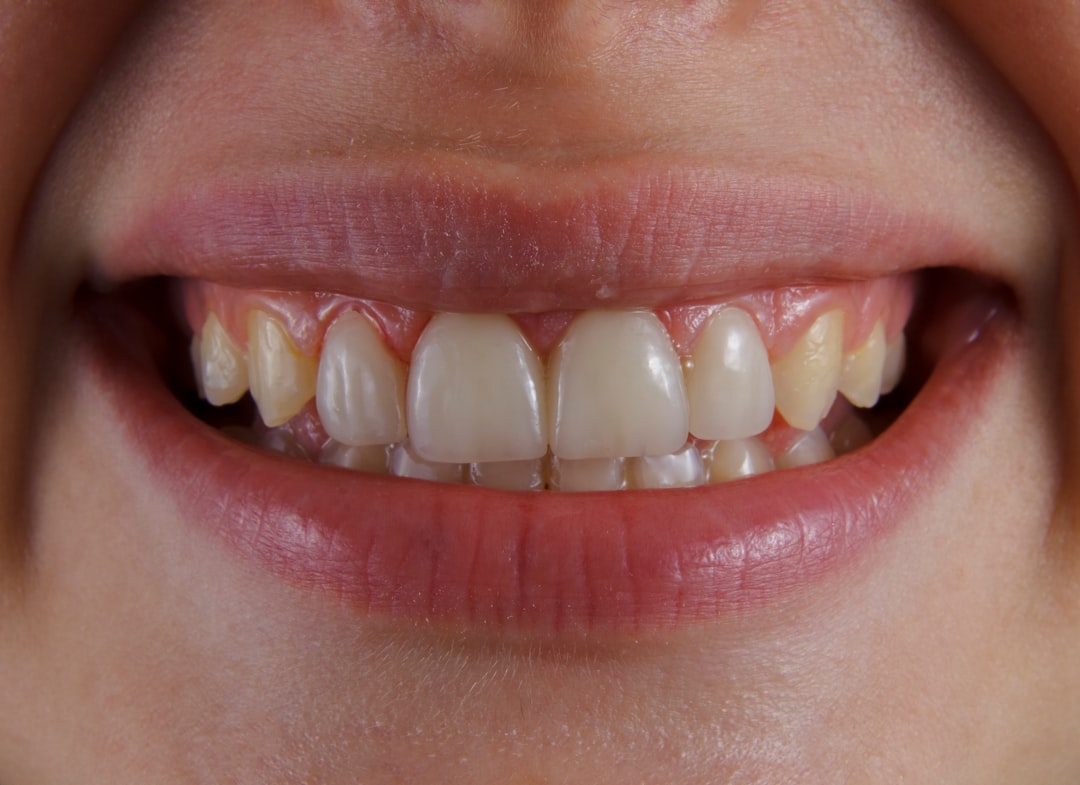
While dental plaque is virtually invisible or appears as a faint, pale-white film that makes your teeth feel like they are wearing “tiny fuzzy sweaters,” tartar is unmistakable. Dental professionals categorize calculus into two distinct varieties:
Supragingival Calculus: This forms above the gum line, where it is easily visible to the naked eye. It commonly starts as a chalky, pale-yellow crust. Because calculus is porous, it readily absorbs external pigments from coffee, black tea, red wine, dark sodas, and tobacco products, rapidly shifting from yellow to dark brown.
Subgingival Calculus: This forms beneath the gum line inside periodontal pockets. Deprived of oxygen, anaerobic bacteria flourish here. Subgingival deposits are often dark brown, greenish-black, or pitch black because they absorb blood breakdown products (hemosiderin) and crevicular fluids from chronically inflamed gums.
Understanding these tartar symptoms and causes helps you identify deposits early, particularly along the inside surfaces of the lower front teeth (mandibular incisors) and the cheek-side surfaces of the upper molars, which sit right next to major salivary glands.
Symptoms and Warning Signs of Built Up Plaque on Teeth
How do you know when plaque is beginning to compromise your oral health? Watch for these common signs:
A Persistent “Fuzzy” Texture: Running your tongue over your teeth reveals a rough, grimy, or fuzzy coating rather than a smooth, glass-like surface.
Chronic Halitosis: As bacteria metabolize trapped food debris, they release volatile sulfur compounds (VSCs), creating persistent bad breath that mouthwash only masks temporarily.
Gingival Redness and Swelling: Healthy gums are firm and pale pink. Bacterial toxins irritate delicate gum margins, causing them to look puffy, dark red, and inflamed.
Bleeding While Brushing or Flossing: Bleeding gums are never normal; they are the classic hallmark of gingivitis, your body’s immune reaction to bacterial buildup.
The Dangers of DIY Tartar Removal: Why You Should Never Scrape at Home
Online marketplaces often advertise inexpensive stainless-steel dental scraper kits, leading many well-intentioned people to attempt DIY calculus removal. We strongly advise against this.
Dental hygiene instruments are precision surgical tools crafted with sharp, specific bevels. Registered dental hygienists and dentists undergo years of clinical education to master the exact tactile sensitivity, finger rests, and angulation needed to scale deposits without harming surrounding structures.
When you scrape your own teeth at home in front of a bathroom mirror, several serious injuries routinely happen:
Permanent Enamel Gouging: Enamel does not regenerate. Improper scraping shears away protective enamel layers, exposing the sensitive underlying dentin and creating microscopic grooves where future plaque will accumulate even faster.
Severe Gum Lacerations: Slipping with a sharp metal instrument can easily puncture, tear, or slice delicate gingival tissues, creating open wounds vulnerable to oral pathogens.
Gingival Recession: Repeated mechanical trauma destroys the fragile epithelial attachment holding the gums to your teeth, causing the gum line to pull back permanently and exposing vulnerable root surfaces.
Deep Tissue Infections: Inexperienced scraping often breaks off a chunk of supragingival tartar only to shove bacteria and calculus fragments deep into periodontal pockets, resulting in painful periodontal abscesses.
Instead of risking irreversible trauma to your teeth, review safe home plaque removal practices to manage soft biofilm safely while leaving calcified deposits to clinical professionals.
What Plaque Can Do if Left to Harden
Allowing bacterial deposits to remain unchecked triggers a continuous cascade of oral destruction:
Progression to Periodontitis: Plaque bacteria release irritating toxins that keep gum tissue in a chronic state of inflammation. Over time, the gum tissue detaches from the tooth, creating deep periodontal pockets where virulent anaerobic bacteria thrive.
Alveolar Bone Loss: As the immune system fights the subgingival infection, inflammatory mediators break down the alveolar jawbone that anchors your tooth roots.
Tooth Mobility and Loss: Without adequate bone support, teeth become loose, shift out of alignment, and may ultimately require extraction.
Systemic Health Complications: Periodontal pathogens and systemic inflammation do not stay confined to the mouth. Extensive medical research links untreated periodontal disease to increased risks of cardiovascular disease, poorly controlled diabetes, rheumatoid arthritis flare-ups, adverse pregnancy outcomes, and respiratory infections.
Professional Solutions: How Dentists Eliminate Hardened Buildup Safely
When calcified deposits bond to your teeth, clinical intervention is the only safe solution. Our team at Lemont Dental Clinic & Gentle Touch Dentistry uses cutting-edge technology and gentle techniques to restore oral health comfortably.
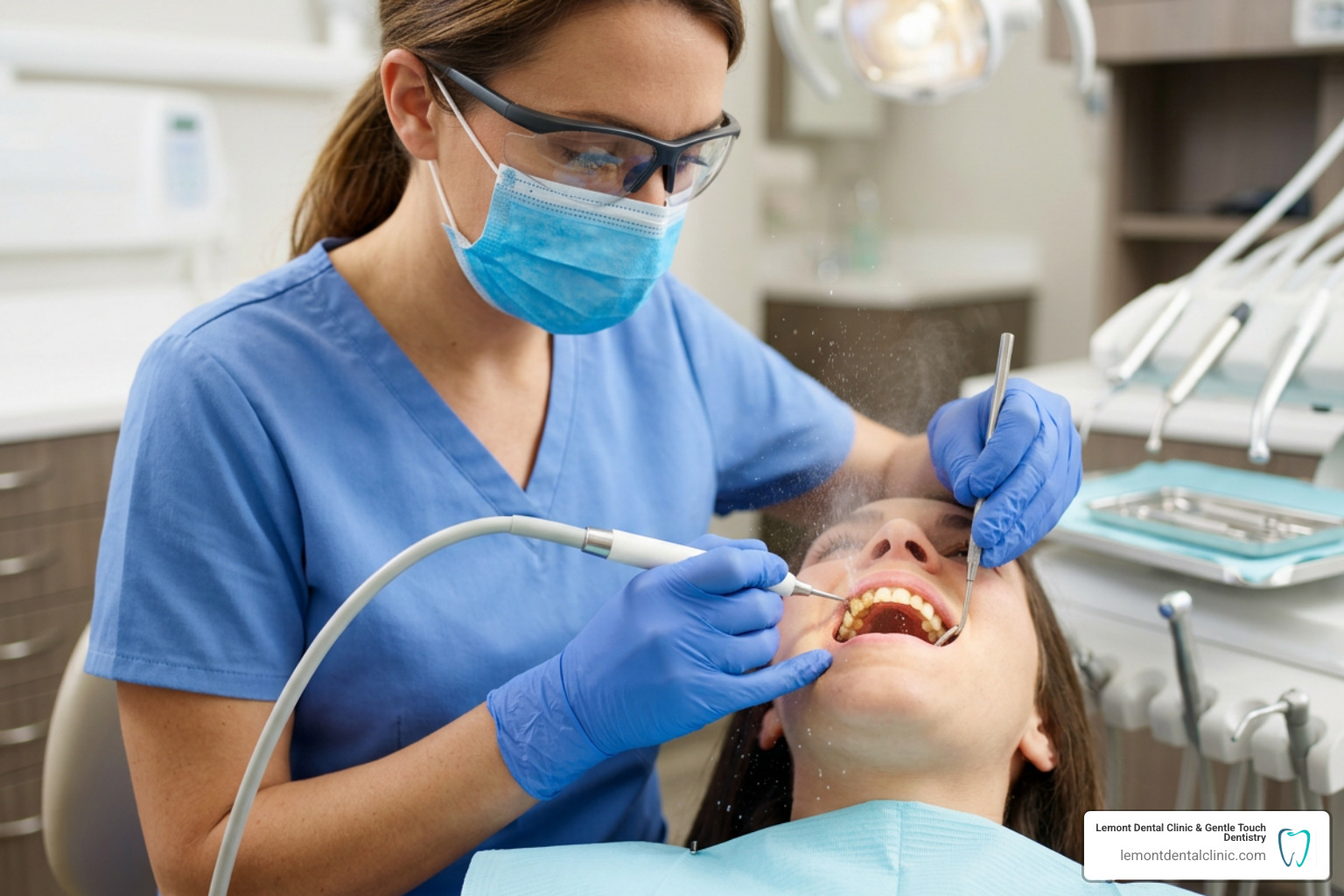
Ultrasonic Scaling: We utilize advanced ultrasonic teeth cleaning devices that emit high-frequency sound vibrations combined with a cooling water spray. These micro-vibrations gently fracture and disintegrate stubborn calculus deposits off enamel without damaging the tooth structure, while the water lavage flushes out bacteria and debris.
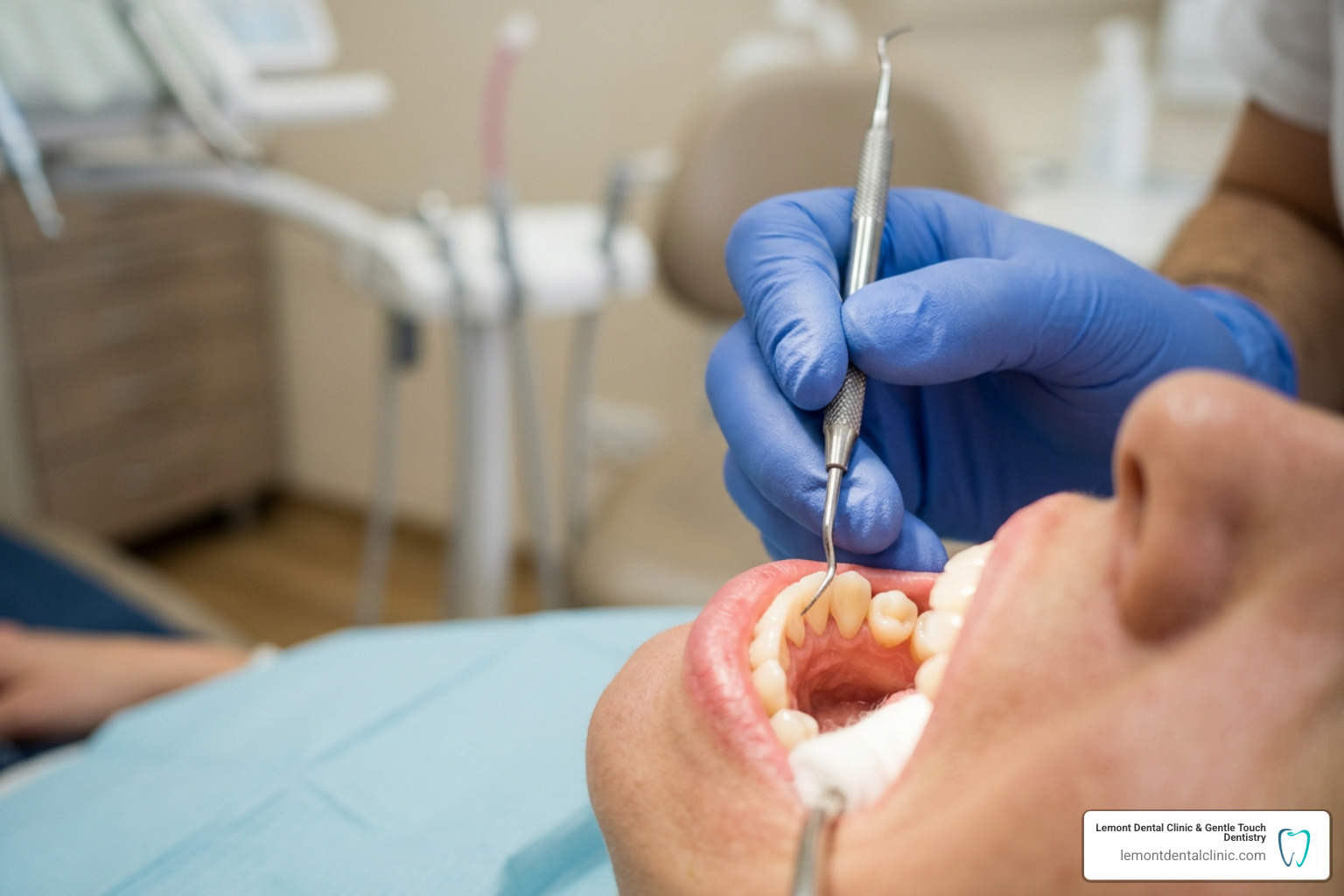
Hand Scaling: Following ultrasonic therapy, we employ specialized hand instruments (such as curettes and sickle scalers) to meticulously remove residual deposits from tight contact points and subgingival margins.
Polishing: We complete the cleaning by gently polishing the enamel with a fine prophy paste or air polishing system, leaving the surfaces slick and smooth so that new plaque struggles to adhere.
Advanced Deep Cleaning: Scaling and Root Planing
When built up plaque and calculus have extended deep below the gum line, resulting in periodontal pockets deeper than 4 millimeters, standard prophylaxis is no longer sufficient. In these cases, we perform a therapeutic deep cleaning known as scaling and root planing.
During this specialized deep scaling and root planing procedure, we carefully numb the treatment area to ensure complete comfort. We meticulously debride the subgingival calculus from the root surfaces and gently smooth (plane) the rough cementum. Removing these bacterial toxins and rough spots allows the inflamed gingival tissues to heal and reattach snugly to clean tooth roots, dramatically reducing pocket depths and halting active bone loss.
Prevention Strategies: Keeping Your Smile Free from Calculus
While you cannot stop plaque from forming, you can easily control it before it calcifies. An effective preventive strategy combines daily mechanical disruption, smart dietary habits, and targeted oral care products.
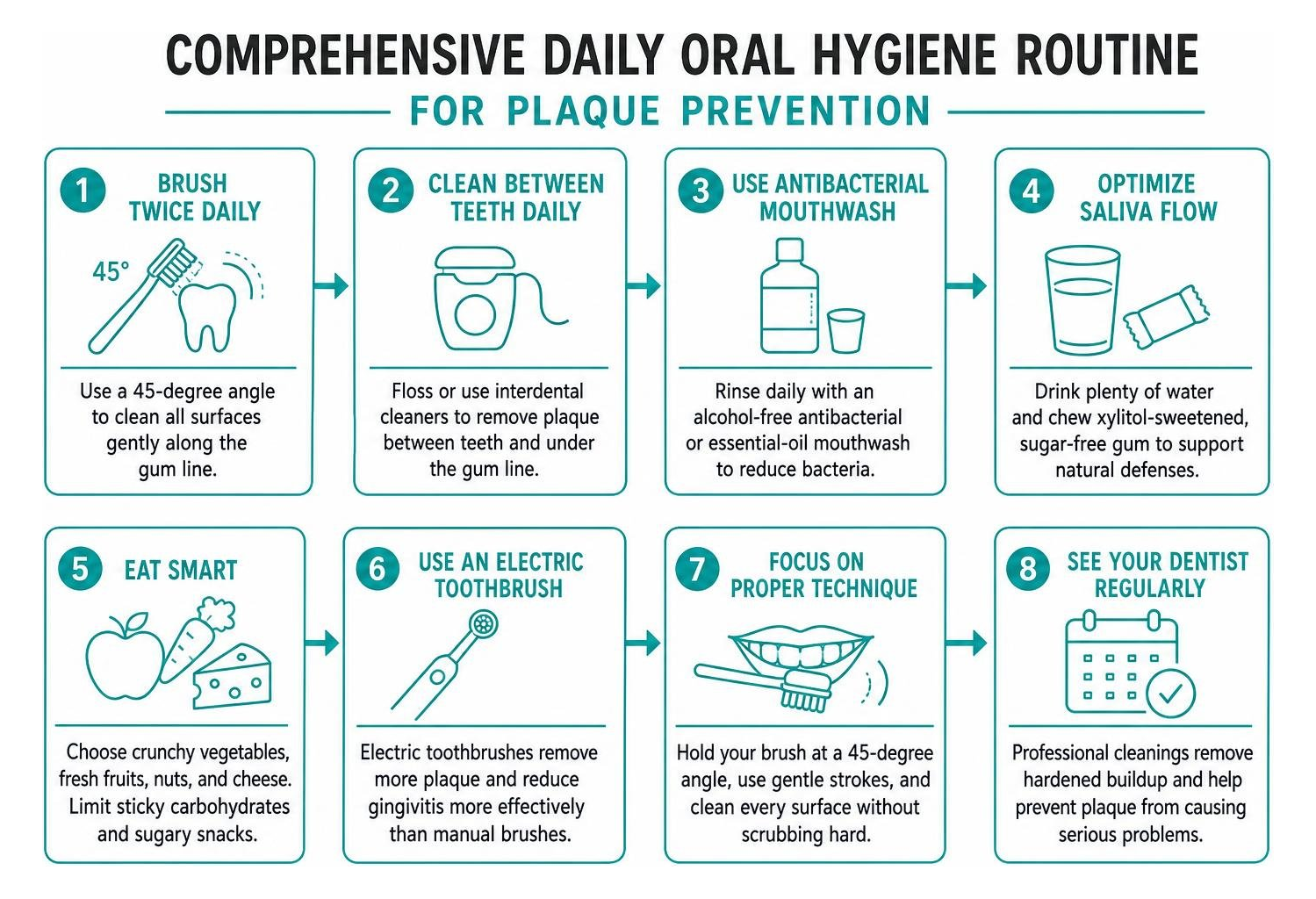
Optimize Saliva Production: Saliva is your mouth’s natural defense mechanism. It neutralizes bacterial acids, washes away food particles, and delivers enamel-strengthening minerals. Drink plenty of water throughout the day, and chew xylitol-sweetened, sugar-free gum to stimulate saliva flow if you experience dry mouth.
Limit Sticky Carbohydrates: Refined sugars, sodas, chips, and chewy candies feed plaque bacteria. Swap them for raw crunchy vegetables, fresh fruits, nuts, and cheese, which help stimulate saliva and naturally cleanse tooth surfaces.
Incorporate Antibacterial Rinses: Rinsing daily with an alcohol-free antibacterial or essential-oil mouthwash helps suppress bacterial reproduction in areas your brush cannot reach.
Upgrade to an Electric Toothbrush: Clinical studies consistently demonstrate that electric toothbrushes—particularly those with oscillating-rotating heads—remove significantly more plaque and reduce gingivitis scores far better than manual toothbrushes.
Master Proper Mechanics: Review proper brushing techniques to ensure you are holding your brush at a 45-degree angle toward the gum line, cleaning every surface without scrubbing aggressively.
Daily Habits to Prevent Built Up Plaque on Teeth
To maintain a healthy, tartar-free smile between routine cleanings, adopt these proven daily habits:
Brush for Two Minutes, Twice Daily: Spend a full 120 seconds cleaning all outer, inner, and chewing surfaces. Do not rush the process.
Clean Between Your Teeth Daily: Brushing alone misses roughly 40% of your tooth surfaces. Use traditional string floss, interdental brushes, or water flossers every single day. A 2016 clinical review showed that combining a water flosser with a manual toothbrush was 29% more effective at removing plaque than pairing string floss with a manual brush.
Try Baking Soda Toothpastes: Baking soda (sodium bicarbonate) is a gentle abrasive that safely lifts surface stains, neutralizes acidic pH in the oral cavity, and breaks up sticky bacterial biofilms.
Consider Oil Pulling: A 2015 study of adolescents with gingivitis found that daily oil pulling with coconut oil reduced dental plaque by 50% over 30 days. While not a replacement for brushing and flossing, it can serve as a supportive holistic practice.
Schedule Routine Professional Care: Follow our preventive dental cleaning guide and visit us regularly for comprehensive examinations and preventive scale-and-clean visits.
Frequently Asked Questions About Plaque and Tartar Removal
Can hardened tartar fall off teeth on its own?
On rare occasions, a small piece of brittle supragingival calculus may chip off while you are eating crunchy foods or brushing vigorously. However, this is incomplete and unpredictable. When a fragment breaks off, it usually leaves behind a jagged, razor-sharp edge that can irritate your tongue and cheek lining. Furthermore, the underlying calculus remains firmly bonded beneath the gum line, continuing to harbor harmful bacteria until professionally scaled.
Can a water flosser remove hardened tartar?
No. While water flossers are exceptional tools for dislodging loose food particles and flushing uncalcified plaque biofilm out of interdental spaces and deep gum pockets, water pressure cannot dissolve or dislodge mineralized calculus. Only the specialized mechanical action of professional dental scalers can safely eliminate hardened tartar.
How long does it take for plaque to calcify into tartar?
Plaque begins mineralizing surprisingly quickly. If soft plaque is not mechanically removed with a toothbrush and floss, minerals in your saliva start calcifying the bacterial biofilm within 24 to 72 hours. Within roughly 12 days, the calculus matrix becomes fully matured and permanently cemented to the enamel.
Conclusion
Bacterial plaque is an everyday reality of human biology, but it does not have to compromise your smile. While diligent daily brushing, interdental flossing, and healthy lifestyle choices can eliminate soft biofilm, mineralized tartar requires professional care. Attempting to scrape stubborn deposits at home with sharp instruments risks permanently gouging your enamel, tearing delicate gum tissue, and accelerating oral infections.
At Lemont Dental Clinic & Gentle Touch Dentistry, we proudly provide comprehensive, gentle dental care to individuals and families throughout Lemont and Palos Hills, IL, as well as our neighboring communities in Chicago Ridge, Worth, Palos Park, Hickory Hills, Oak Lawn, Orland Park, Palos Heights, Bolingbrook, Romeoville, Palisades, and Lockport Heights. Our experienced doctors utilize the latest dental technology to eliminate stubborn calculus safely, comfortably, and thoroughly.
Do not let built up plaque and stubborn tartar jeopardize your teeth and gums. Contact our friendly team today to schedule a comprehensive regular cleaning and enjoy the confidence of a clean, healthy smile!