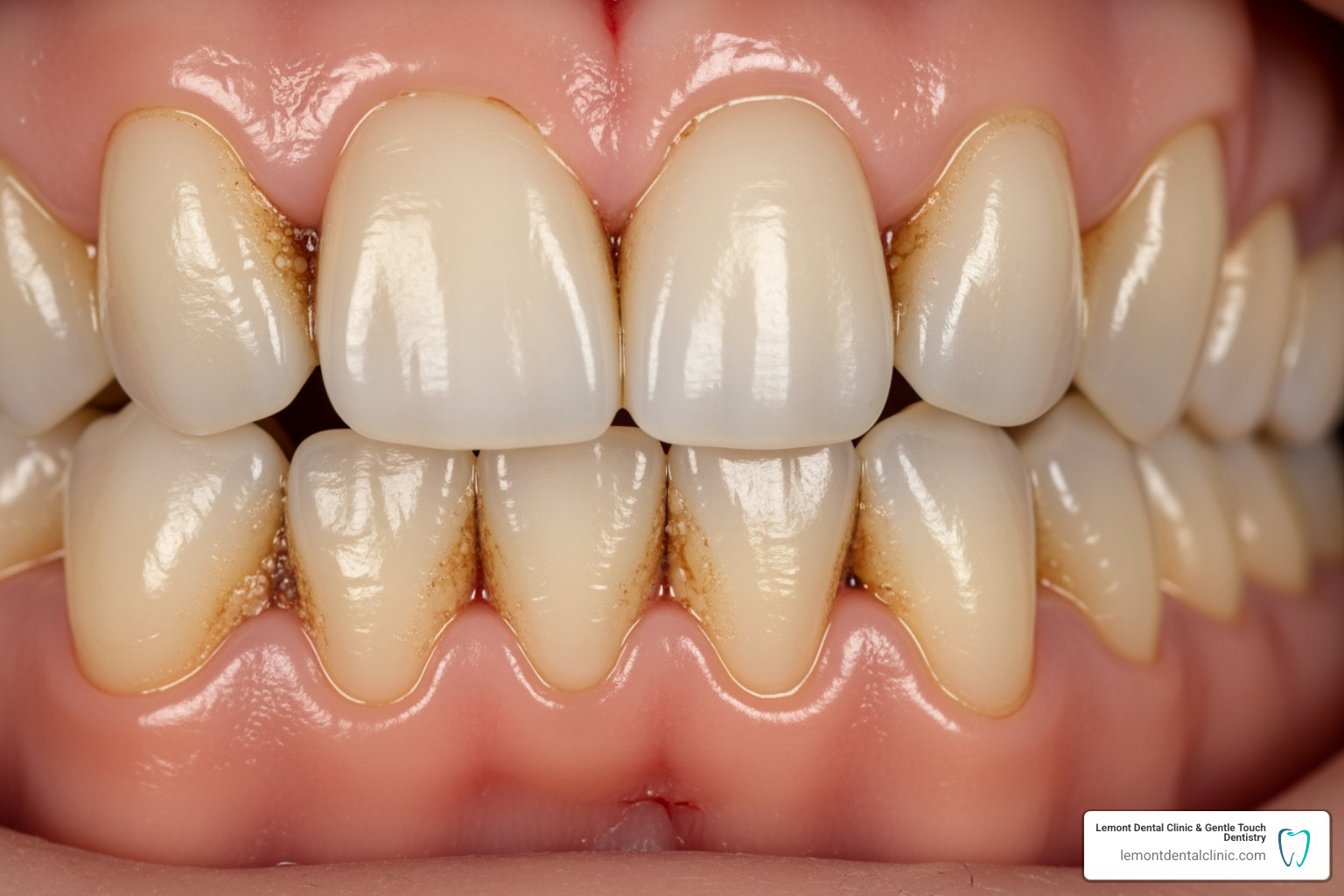
Understanding the Impact of Gum Recession on Your Oral Health
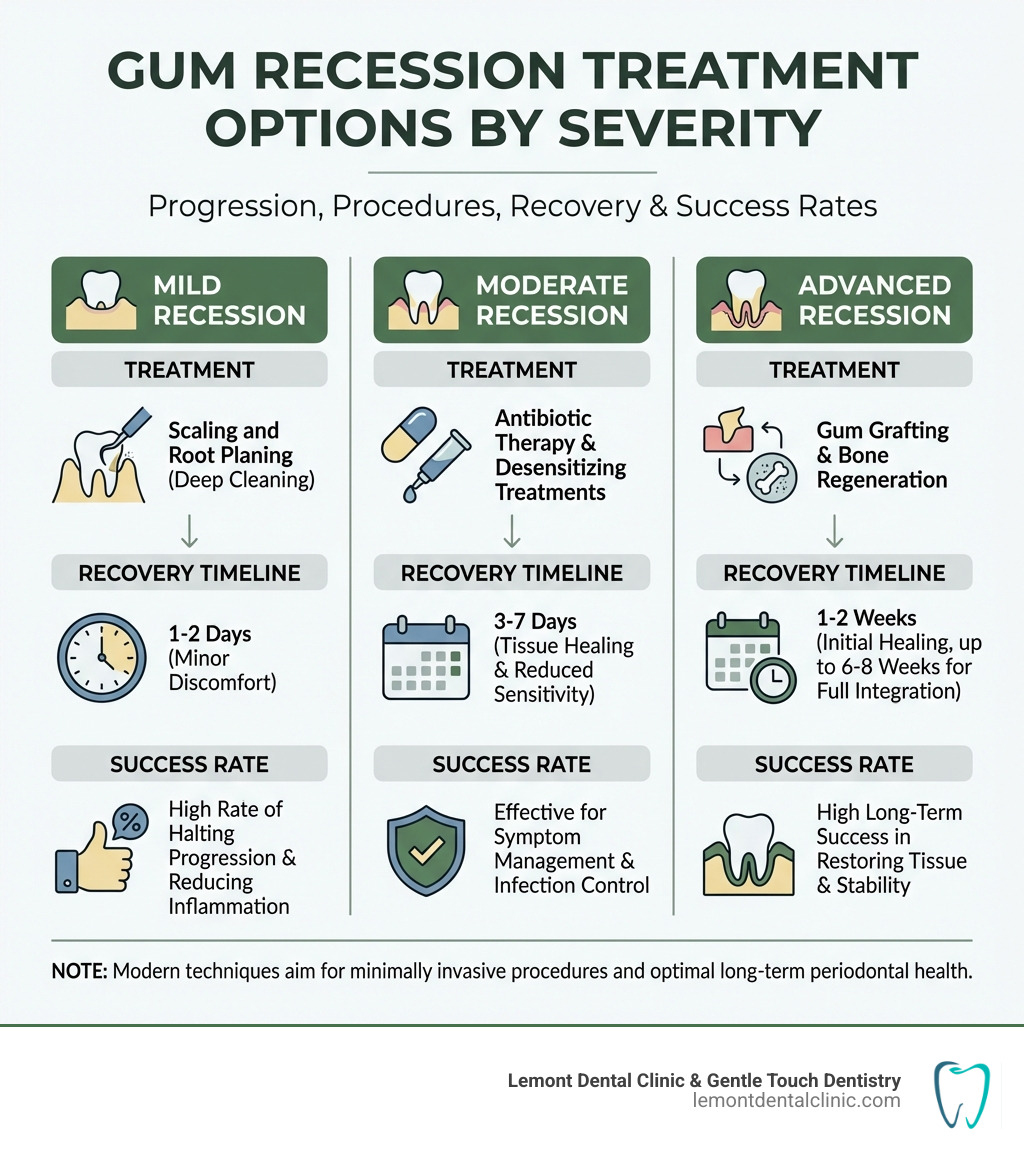
Gum recession treatment options range from non-surgical deep cleanings to advanced procedures like gum grafting, depending on the severity of tissue loss. While receded gums cannot grow back naturally, modern treatments can stop progression, restore gum tissue, and protect exposed tooth roots from further damage.
Recovery Time: 1-2 days for laser treatments, up to 2 weeks for traditional grafting
Gum recession affects about 40% of U.S. adults over 30, making it one of the most common dental concerns we see. When your gum tissue pulls away from your teeth, it exposes the sensitive root surface underneath. This isn’t just a cosmetic issue—exposed roots are vulnerable to decay, infection, and tooth loss if left untreated.
The good news? Gum recession is highly treatable when caught early. Non-surgical options like scaling and root planing can halt progression in early stages, while surgical treatments restore both function and appearance in advanced cases. Modern techniques have made these procedures far less invasive than they were even a decade ago, with faster recovery times and better outcomes.
As Piotr Dederowski at Lemont Dental Clinic & Gentle Touch Dentistry, I’ve helped countless patients restore their periodontal health through personalized gum recession treatment plans. Our approach combines the latest technology with proven techniques to give you the best possible results, whether you need a simple deep cleaning or a more advanced procedure.
To understand why we need gum recession treatment, we first have to look at what causes the gums to pull away. In our practice serving Lemont and Palos Hills, we often explain that gum recession is a progressive condition. It doesn’t happen overnight; it’s a slow migration of the margin of the gum tissue away from the crown of the tooth.
The primary culprit is often periodontitis, a severe form of gum disease. According to scientific research on periodontal disease provided by the CDC, about 4 in 10 U.S. adults have some level of periodontitis. This infection destroys the supporting soft tissue and bone that hold your teeth in place.
However, gum disease isn’t the only cause. Other common factors include:
Aggressive Brushing: Sometimes being “too good” at oral hygiene can backfire. Using a hard-bristled brush or applying too much pressure can literally scrub your gum tissue away.
Tobacco Use: Whether it’s smoking or chewing tobacco, tobacco users are significantly more likely to have tartar buildup and gum recession. In fact, 62% of current smokers over age 30 have periodontitis.
Genetics: Some of us are simply born with thinner gum tissue, making us more susceptible to recession regardless of how well we brush.
Hormonal Changes: Significant shifts in hormones—such as during puberty, pregnancy, or menopause—can make gums more sensitive and vulnerable to recession.
Teeth Grinding (Bruxism): Clenching or grinding puts excessive force on the teeth, which can cause the gums to recede.
Identifying Signs and Symptoms
Because gum recession happens slowly, many people don’t realize it’s occurring until they notice a change in their smile’s appearance. Here are the red flags we tell our patients to watch for:
Gum Sensitivity and Pain: You might feel discomfort when brushing or flossing near the gum line.
Bleeding: If your gums bleed during routine cleaning, it’s a sign of inflammation.
Halitosis (Bad Breath): Persistent bad breath can be caused by bacteria hiding in the deep pockets created by receding gums.
Loose Teeth: As the gum and bone support diminish, teeth may begin to feel unstable.
Visible Roots and “Long” Teeth: This is the classic sign of recession. If your teeth look longer than they used to, or if you can see a notch near the gum line, the root is likely exposed.
Non-Surgical Gum recession treatment Options
If we catch recession in its early stages, we can often avoid the scalpel altogether. Our goal is to eliminate the infection and encourage the remaining tissue to reattach to the tooth.
The cornerstone of non-surgical care is deep cleaning, technically known as scaling and root planing. Unlike a standard cleaning that focuses on the visible part of the tooth, a deep cleaning goes beneath the gum line.
Scaling: We use specialized instruments to remove plaque and tartar (calculus) from the surface of the tooth and the pockets between the teeth and gums.
Root Planing: We smooth out the root surfaces. This serves two purposes: it makes it harder for bacteria to stick to the roots in the future, and it provides a clean surface for your gums to reattach to.
A common question we hear is, does deep cleaning hurt?. At Lemont Dental Clinic, we prioritize your comfort. We typically use local anesthesia to numb the area, ensuring the process is virtually painless.
Beyond mechanical cleaning, we utilize Antibiotic Therapy. We may place localized antimicrobial agents directly into the periodontal pockets to kill any lingering bacteria that the cleaning tools couldn’t reach.
Non-Surgical vs. Surgical Interventions
Feature
Non-Surgical (Scaling/Planing)
Surgical (Grafting/Laser)
Primary Goal
Stop infection & encourage reattachment
Restore lost tissue & cover roots
Invasiveness
Low (No incisions)
Moderate to High
Recovery Time
1-2 days
1-2 weeks
Best For
Mild to moderate recession/disease
Advanced recession/root exposure
Managing Sensitivity and Bacteria
When roots are exposed, the “cementum” (the layer covering the root) is much thinner than enamel. This leads to intense sensitivity to hot and cold. To help you manage this, we offer several chairside treatments:
Desensitizing Agents: These are professional-grade liquids applied to the exposed root to block the pathways to the nerve.
Fluoride Varnish: High-concentration fluoride helps strengthen the exposed root surface and reduce sensitivity.
Antimicrobial Rinses: Prescription-strength mouthwashes help keep bacterial counts low while your gums heal.
For more info about periodontal disease and how it acts as a “sneaky enemy” of your teeth, we encourage you to read our detailed service posts.
Advanced Surgical Procedures for Gum Restoration
When recession is advanced and the roots are significantly exposed, non-surgical methods might not be enough to protect the tooth. In these cases, we look toward surgical gum recession treatment to physically replace the lost tissue.
Soft Tissue Grafting is the “gold standard” for restoring a healthy gum line. There are a few ways we can perform this:
Connective Tissue Grafts: This is the most common method. We take a small piece of tissue from under a flap on the roof of your mouth and stitch it to the gum tissue surrounding the exposed root.
Free Gingival Grafts: Similar to connective tissue grafts, but we take tissue directly from the roof of the mouth. This is often used for people with very thin gums who need extra “bulk” to prevent further recession.
Pedicle Grafts: Instead of taking tissue from the palate, we use tissue from the gums near the tooth being treated. A flap (pedicle) is cut and pulled over the exposed root. This is only possible if you have plenty of healthy gum tissue nearby.
Bone Grafting: If the recession has led to bone loss, we may need to place bone grafting material to regenerate the support structure for your tooth.
Minimally Invasive Gum recession treatment
We know the word “surgery” can be intimidating. That’s why we stay at the forefront of minimally invasive technology. These procedures offer excellent results with much less “downtime.”
Pinhole Surgical Technique (PST): Think of this as “keyhole surgery” for your mouth. We make a tiny hole in the gum tissue and use special instruments to gently loosen the tissue and slide it down over the exposed root. No scalpels, no stitches, and very little swelling!
LANAP Laser Therapy: This uses a specific laser wavelength to vaporize diseased tissue and bacteria without harming healthy gums. It actually stimulates the body’s natural healing response to regrow bone and attachment.
Laser Gum Treatments: These are known for being much more comfortable than traditional surgery. You can learn more about laser gum treatments and why they are becoming the preferred choice for many patients.
Platelet-Rich Fibrin (PRF): We can use your own blood’s healing power! By drawing a small amount of blood and spinning it in a centrifuge, we create a fibrin clot rich in growth factors. Placing this at the treatment site significantly accelerates healing.
Recovery and Post-Operative Care
Your recovery time depends on the procedure. For minimally invasive treatments like LANAP or Pinhole, many patients return to their daily activities within 24 to 48 hours.
For traditional grafting, expect a healing timeline of about one to two weeks. During this time, you’ll need to follow some specific rules:
Dietary Restrictions: Stick to soft foods (yogurt, pasta, eggs) and avoid anything crunchy or spicy that could irritate the surgical site.
Gentle Hygiene: Don’t brush the treated area until we give you the green light. We’ll provide a special rinse to keep it clean.
The best gum recession treatment is the one you never need! Prevention is all about reducing the stressors on your gum tissue.
Switch to Soft-Bristled Brushes: Toss your medium or hard brushes. A soft-bristled brush (or a high-quality electric brush with a pressure sensor) is all you need to remove plaque without harming your gums.
Master Proper Flossing: Flossing isn’t just about removing food; it’s about breaking up the bacterial colonies under the gum margin.
Smoking Cessation: Since smokers are at a much higher risk for gum disease, quitting is the single best thing you can do for your periodontal health.
Night Guards: If you wake up with a sore jaw or have noticed your teeth look shorter, you might be grinding at night. A custom-made night guard from our Lemont or Palos Hills office can protect your gums from the physical stress of bruxism.
Maintaining Results After Gum recession treatment
Once we’ve restored your gums, we want them to stay that way. This requires a partnership between you and our clinical team.
Biannual Exams: Regular checkups allow us to spot the very first signs of a relapse.
Professional Prophylaxis: Regular cleanings remove the tartar that you simply cannot get off at home.
Balanced Diet: Your gums need vitamins (especially Vitamin C) to stay strong and resilient.
Insurance and Access: We understand that cost is a factor. You can find an in-network dentist through providers like Cigna to ensure your maintenance is affordable.
Frequently Asked Questions about Receding Gums
Can receding gums grow back naturally?
Unfortunately, the answer is no. Unlike skin, which can regenerate over a wound, gum tissue does not grow back once it has been lost. However, while they won’t grow back on their own, we can use surgical techniques to move existing tissue or graft new tissue to restore the area.
When should I see a periodontist for treatment?
You should find a dentist or periodontist near me if you notice persistent bleeding, visible tooth roots, or if your teeth feel loose. Early intervention is the key to avoiding complex surgery. If you are considering dental implants, a periodontist is also the best person to consult for the best dental implants.
What is the best toothpaste for gum recession?
Look for toothpastes labeled for “sensitivity” or “gum health.” Ingredients like potassium nitrate or stannous fluoride are excellent for blocking sensitivity. Avoid “whitening” toothpastes that are highly abrasive, as these can further wear down exposed roots.
Conclusion
At Lemont Dental Clinic & Gentle Touch Dentistry, we believe that a healthy smile starts with healthy gums. Whether you are in Lemont, Palos Hills, or surrounding areas like Hickory Hills or Orland Park, our team is dedicated to providing comprehensive, high-quality care.
We combine advanced technology—like laser therapy and PRF—with a warm, patient-focused approach to make gum recession treatment as comfortable and effective as possible. You don’t have to live with tooth sensitivity or a smile you’re unhappy with. From routine periodontal maintenance to advanced restorative procedures, we are here to help you protect your oral health for years to come.