Why Understanding Your Dental Veneer Options Matters
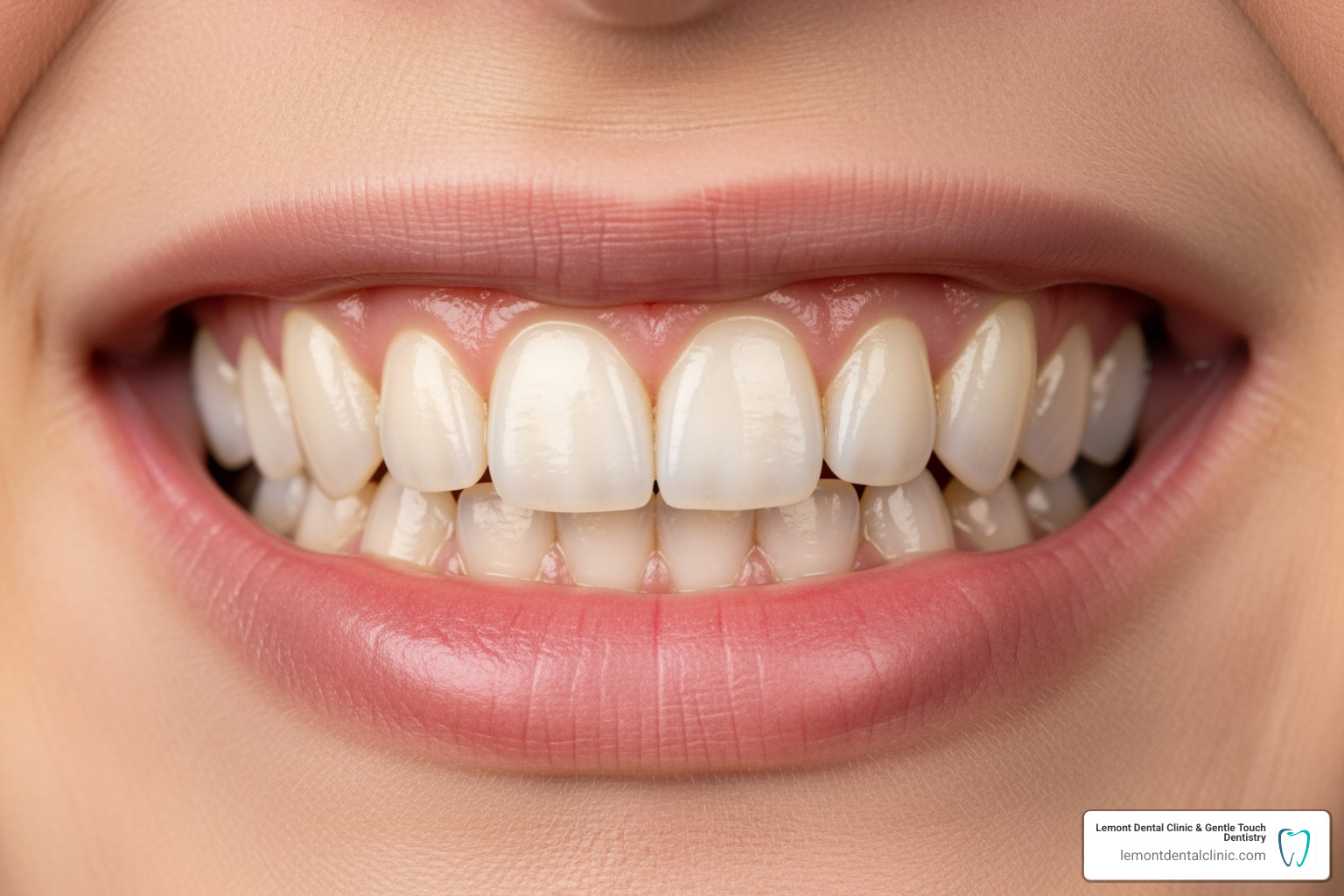
Dental veneer options are thin, custom-made shells designed to cover the front surface of your teeth, changing your smile by concealing a wide range of cosmetic imperfections. If you’re exploring what’s available, here’s what you need to know:
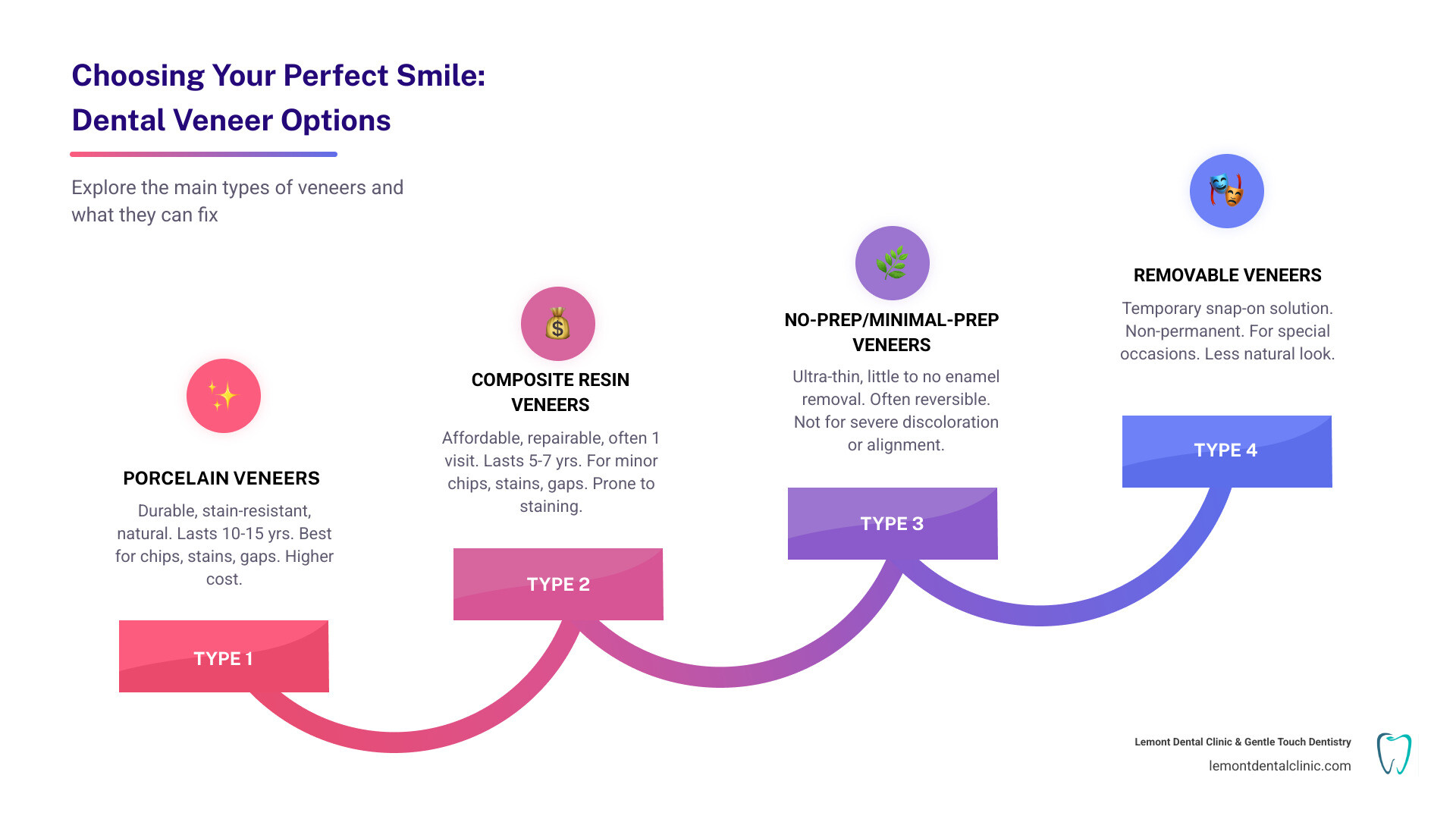
Composite Resin Veneers – Cost-effective, repairable, often completed in one visit (last 5-7 years)
No-Prep/Minimal-Prep Veneers – Ultra-thin, require little to no enamel removal, reversible option
Removable Veneers – Temporary, snap-on solution for special occasions
More than one-third of adults in the United States are unhappy with their smile. Veneers can address issues like chipped or broken teeth, stubborn stains that don’t respond to whitening, gaps between teeth, misshapen teeth, and minor misalignment. They’re one of the most popular cosmetic dentistry treatments because they deliver dramatic results while preserving most of your natural tooth structure.
The key is choosing the right type for your specific needs, budget, and dental health. Porcelain veneers offer the most lifelike appearance and longest lifespan but come with a higher price tag and require enamel removal. Composite veneers are more affordable and can often be placed in a single appointment, but they’re more prone to staining and typically need replacement sooner. No-prep veneers preserve more of your natural tooth structure but aren’t suitable for severe discoloration or significant alignment issues.
I’m Piotr Dederowski, and at Lemont Dental Clinic & Gentle Touch Dentistry, I’ve helped countless patients steer their dental veneer options to find the perfect solution for their smile goals. With experience in both general and cosmetic dentistry, I understand how important it is to balance aesthetics, durability, and budget when choosing the right treatment.
This section explores the main types of veneers available, helping you understand the materials, benefits, and unique characteristics of each. When considering dental veneer options, it’s crucial to understand the differences in material, application, and longevity. Each type offers a unique pathway to a brighter, more confident smile.
Traditional Porcelain Veneers
Porcelain veneers are often considered the gold standard among dental veneer options for their exceptional aesthetics and durability. Crafted from high-grade ceramic materials, these thin shells are custom-made to mimic the translucency and texture of natural teeth, offering a remarkably lifelike appearance. Their light-reflecting properties are similar to natural enamel, making them virtually undetectable.
One of the standout benefits of porcelain veneers is their durability. With proper care, they can last between 10 to 15 years, and with sufficient maintenance, some patients have seen them last up to 20 years. They are also highly resistant to stains from common culprits like coffee, tea, and red wine, which means your dazzling smile stays bright for longer.
The process for getting porcelain veneers typically involves two visits. During the first visit, a small amount of tooth enamel is usually removed to allow for the thickness of the veneer and ensure a seamless fit. This preparation is irreversible, which is an important consideration. Impressions of your teeth are then taken and sent to a professional dental laboratory, where your custom veneers are carefully fabricated. On your second visit, we bond these beautiful, custom-made pieces onto the front of your teeth, creating a completely transformed smile.
Porcelain veneers can completely reshape your teeth and smile, making them an ideal solution for many dental conditions, including severe discoloration, significant chips or cracks, and closing larger gaps between teeth. They offer a strong, long-lasting, and natural-looking solution, making them a significant investment in your smile. For more detailed information on this premium dental veneer option, you can explore our More info about veneers.
Composite Resin Veneers
Composite resin veneers offer a more affordable and often quicker alternative among the available dental veneer options. These veneers are made from a tooth-colored composite resin material, similar to what we use for dental bonding or fillings.
One of the most appealing aspects of composite veneers is the direct application process. In many cases, we can complete the procedure in a single visit right here in our office. The dentist directly applies the composite material, sculpting and shaping it onto your teeth to achieve the desired aesthetic. Once molded, a special light is used to harden the resin, and then it’s polished to a natural finish. This makes them a fantastic choice if you’re looking for a faster smile improvement.
Composite veneers are also more easily repaired if they chip or break compared to porcelain. While they are a cost-effective choice, typically ranging from $250 to $1,500 per tooth, they do have a shorter lifespan, usually lasting around 5 to 7 years, though some can endure for up to 10 years with diligent care. They are also more prone to staining over time, much like natural teeth, meaning you’ll need to be mindful of dark-colored foods and beverages.
For minor cosmetic corrections like small chips, cracks, or mild discoloration, composite veneers can be an excellent choice, offering a great balance between aesthetics and budget. To learn more about the advantages and disadvantages of this dental veneer option, check out Composite Veneers Pros & Cons.
No-Prep and Minimal-Prep Veneers
When exploring dental veneer options, many patients are interested in preserving as much of their natural tooth structure as possible. That’s where no-prep and minimal-prep veneers come in. These ultra-thin shells are designed to be less invasive than traditional porcelain veneers, often requiring little to no removal of tooth enamel.
Brands like Lumineers® and Vivaneers are examples of these ultra-thin porcelain veneers. They are about the thickness of a contact lens, which allows for their conservative application. The primary benefit is that the procedure is often reversible, as the underlying tooth structure remains largely intact. This can be very reassuring for patients who are hesitant about irreversible changes to their teeth.
While no-prep veneers offer a less invasive solution, they are not suitable for everyone. Because they are so thin, they may not be able to cover up darker staining or significant damage effectively. They are best for patients with healthy, well-aligned teeth who are looking for subtle improvements in shape, size, or color. If you’re a good candidate, they can last for up to 20 years with the right care, making them a durable and tooth-preserving choice among dental veneer options.
Other Specialized Veneer Types
Beyond the most common porcelain and composite options, there are a few other specialized dental veneer options that cater to unique needs:
Palatal Veneers: These are a lesser-known but incredibly important type of veneer designed to restore the inside surface of worn-down front teeth. They are particularly useful for patients who experience severe erosion or wear on the palatal (tongue-side) surfaces of their upper front teeth, helping to protect the tooth structure and restore proper function.
Removable Veneers (Snap-on Veneers): These offer a completely non-permanent and flexible solution. Often made from a durable resin material, removable veneers are custom-made to snap over your existing teeth, providing an instant smile change. They are typically a more affordable alternative and can be taken out at any time. While they are great for temporary aesthetic improvements or special occasions, it’s important to note that they can sometimes impact eating and speech. They offer a preview of what permanent veneers might look like, but they are not a long-term solution for significant dental issues.
Same-Day Veneers: Thanks to advancements in dental technology like CEREC® (Chairside Economical Restoration of Esthetic Ceramic) CAD/CAM systems, we can sometimes design, mill, and place porcelain veneers in a single appointment. This is a fantastic option for those with busy schedules or who prefer to complete their smile change quickly.
Each of these specialized dental veneer options addresses different needs, and our team at Lemont Dental Clinic & Gentle Touch Dentistry is here to help you understand which one might be the best fit for your unique smile goals.
The Veneer Journey: From Consultation to Your New Smile
Starting on the journey to a new smile with dental veneer options is an exciting process, and we’re here to guide you every step of the way. Our comprehensive approach, from the initial consultation to the final placement, ensures you achieve the beautiful, natural-looking smile you’ve always wanted.
Understanding the Cost of Veneers
When considering dental veneer options, it’s natural to wonder about the cost. The price of veneers can vary significantly based on several factors, including the type of material chosen, the number of teeth being treated, the complexity of your dental needs, and the expertise of the dental professional. We believe in transparency and competitive pricing, ensuring quality and affordability for our patients in Lemont and Palos Hills, IL.
Material Type: Porcelain veneers are generally more expensive than composite veneers. Porcelain veneers can cost between $950 to $2,500 per tooth, reflecting their superior durability, stain resistance, and natural appearance. Composite veneers, being a more economical choice, typically range from $250 to $1,500 per tooth.
Number of Teeth: The total cost will directly correlate with how many veneers you choose to get. For example, if you opt to veneer the front 4, 8, or 10 teeth (often referred to as the 4-8-10 rule in cosmetic dentistry), the overall cost will increase.
Dentist’s Expertise: Experienced cosmetic dentists who specialize in smile design may have fees that reflect their skill and the advanced technology they use.
Geographic Location: While costs can vary by region, we strive to offer competitive prices for our patients in Lemont, Palos Hills, and the surrounding Illinois communities.
Most insurance plans consider veneers a cosmetic procedure and may not cover the cost unless there’s a medical necessity (e.g., to restore a damaged tooth). We’ll help you understand your coverage and discuss all available financing options to make your dream smile a reality.
Are You a Good Candidate for Veneers?
Before we dive into any specific dental veneer options, our first step is always a thorough consultation to determine if veneers are the right choice for you. Not everyone is an ideal candidate, and our priority is always your long-term oral health.
Here’s what generally makes a good candidate for veneers:
Healthy Teeth and Gums: You must have healthy teeth and gums, free from extensive decay, active gum disease, or untreated infections. Any underlying oral health issues will need to be addressed before considering cosmetic treatments like veneers.
Sufficient Enamel: For traditional porcelain veneers, a small amount of enamel removal is often necessary. If you have severely worn enamel, some veneer types might not be suitable.
Realistic Expectations: While veneers can dramatically transform your smile, it’s important to have a clear understanding of what they can and cannot achieve. We’ll show you before-and-after examples and discuss your desired outcome in detail.
Good Oral Hygiene: A commitment to excellent oral hygiene is crucial for the longevity of your veneers and the health of your natural teeth underneath.
Conversely, veneers might not be the best solution if you:
Grind or Clench Your Teeth (Bruxism): The intense pressure from bruxism can cause veneers to chip or break. In such cases, we might recommend a night guard or explore other restorative options.
Have a Deep Overbite: Certain bite issues can put excessive stress on veneers, leading to damage.
Have Significant Misalignment or Crowding: While veneers can correct minor alignment issues, severe cases might be better addressed with orthodontic treatment first.
We encourage you to schedule a consultation with us to discuss your specific dental goals and health. Our experienced doctors will assess your oral health, enamel condition, and cosmetic goals to guide you towards the best dental veneer options. For more information on candidacy, you can refer to What to Know Before You Get Dental Veneers.
Risks and Considerations
While dental veneer options offer incredible aesthetic benefits, be fully informed about the potential risks and considerations involved. We believe in providing comprehensive information so you can make the best decision for your smile.
One of the most significant considerations, especially for traditional porcelain veneers, is that the procedure is generally irreversible. Because a small amount of tooth enamel is removed to prepare the tooth for the veneer, those teeth will always need to be covered by a veneer or a crown going forward. This is a permanent commitment to enhancing your smile.
After placement, some patients may experience increased tooth sensitivity, particularly to hot or cold temperatures. This is usually temporary and subsides as your teeth adjust to the new veneers.
Veneers are durable, but they are not indestructible. They can chip, crack, wear down, or even loosen over time, especially if you bite on hard objects or have habits like nail-biting. If a veneer is damaged, composite veneers are typically easier to repair, often by simply adding new composite material. Porcelain veneers, however, usually require replacement if significantly damaged.
A critical aspect of getting veneers is ensuring you receive treatment from a licensed and experienced dental professional. The American Dental Association (ADA) strongly emphasizes seeking care from licensed dentists to ensure proper diagnosis, treatment, and patient safety. Services from unlicensed individuals can carry significant risks, including infection, nerve damage, and unknowingly placing veneers over unhealthy teeth. We urge you to always check if your provider is licensed to provide dental services in your state before committing to treatment. You can read the full statement from the ADA regarding this crucial aspect here: Read the full ADA statement on licensed dentists.
Protecting Your Investment: Longevity, Care, and Alternatives
Once you’ve chosen your ideal dental veneer options and transformed your smile, the next step is protecting that investment. With proper care and maintenance, your veneers can last for many years, keeping your smile looking its best.
How Long Do Veneers Last and How Do You Care for Them?
The lifespan of your veneers largely depends on the material chosen and how well you care for them.
Porcelain Veneers: With proper care, porcelain veneers can last between 10 to 15 years. With sufficient maintenance, some can even last up to 20 years.
Composite Veneers: Composite veneers typically last around 5 to 7 years, though with excellent care, they can extend to about 10 years.
To ensure the longevity of your veneers, regardless of the type, consistent and proper oral hygiene is paramount:
Brush and Floss Regularly: Brush at least twice a day with a non-abrasive fluoride toothpaste and a soft-bristled toothbrush. Floss between your teeth once daily. This prevents cavities from forming under or around the veneers, which can still happen.
Use Mouthwash: An antibacterial mouthwash used twice a day can further help maintain oral health.
Avoid Hard and Sticky Foods: Be cautious with extremely hard foods (like ice, hard candies, or nuts) or very sticky foods, as they can chip or dislodge your veneers. Cut up crunchy foods and chew them with your back teeth.
Limit Staining Foods and Beverages: While porcelain veneers are highly stain-resistant, composite veneers are more prone to staining. Limiting consumption of dark-colored foods and drinks like coffee, tea, red wine, and berries can help maintain their brightness.
Break Bad Habits: Avoid using your teeth as tools to open packages, biting your nails, or chewing on pens. These habits can easily damage veneers.
Wear a Mouthguard: If you participate in sports, a mouthguard is essential to protect your veneers from impact. If you clench or grind your teeth (bruxism) at night, we may recommend a custom night guard to prevent damage.
Regular Dental Check-ups: Attend your routine dental exams and cleanings every six months. We’ll check the condition of your veneers, address any issues, and ensure your overall oral health remains excellent.
If a veneer chips or breaks, the repair process differs. Composite veneers are often easier to repair directly in the office by adding new composite material. Porcelain veneers, however, typically require replacement if they sustain significant damage.
Porcelain vs. Composite: Comparing Your Main Dental Veneer Options
Choosing between porcelain and composite is one of the biggest decisions when considering dental veneer options. Here’s a quick comparison to help you weigh your choices:
Feature
Porcelain Veneers
Composite Veneers
Durability
Very strong and resistant to fracture
Less strong, more prone to chipping and abrasion
Lifespan
10-15 years, potentially up to 20 with proper care
Good, but may not achieve the same translucency as porcelain
Stain Resistance
Highly resistant to stains
More prone to staining, similar to natural teeth
Procedure Time
Two visits (preparation, lab fabrication, bonding)
Often one visit (direct application, sculpting, curing)
How Do Veneers Compare to Crowns and Bonding?
When considering cosmetic dental improvements, it’s helpful to understand how dental veneer options stack up against other popular treatments like crowns and dental bonding.
Veneers vs. Crowns: This is a common comparison. The main difference lies in how much of the tooth they cover and their primary purpose.
Veneers are thin shells that cover only the front surface of a tooth. They are primarily a cosmetic solution, used to improve the appearance of stained, chipped, misshapen, or gapped teeth, with minimal enamel removal.
Crowns, on the other hand, cover the entire tooth structure, like a cap. They are primarily restorative, used to protect and strengthen teeth that have significant decay, large fillings, cracks, or have undergone root canal treatment. Crowns require more extensive tooth preparation and reduction than veneers.
For a more in-depth comparison, you can explore Crowns vs. Veneers explained.
Veneers vs. Dental Bonding: Dental bonding uses the same composite resin material as composite veneers. However, bonding is typically used for smaller cosmetic corrections, such as filling a small chip, closing a tiny gap, or covering a minor discoloration on a single tooth. Composite veneers, while using the same material, usually cover a larger portion of the tooth’s front surface to achieve a more comprehensive aesthetic change. Bonding is generally less expensive and quicker than composite veneers but might not offer the same extensive cosmetic change.
The choice between these options depends on the extent of the dental issue, your aesthetic goals, and the need for structural support. We’ll help you steer these choices to find the perfect fit for your smile.
Frequently Asked Questions About Dental Veneers
We understand that you might have many questions when considering dental veneer options. Here are answers to some of the most common inquiries we receive at Lemont Dental Clinic & Gentle Touch Dentistry.
Is the veneer procedure painful?
Most patients experience little to no pain during the veneer procedure, especially with modern techniques and the use of local anesthesia. We ensure your comfort throughout the process. For traditional veneers that require enamel removal, local anesthesia will numb the area, so you won’t feel discomfort during the preparation. After the procedure, it’s normal to experience some temporary sensitivity to hot and cold temperatures, but this typically subsides within a few days. We’ll provide you with instructions and recommendations to manage any post-procedure sensitivity.
Can you still get cavities with veneers?
Yes, absolutely! It’s a common misconception that veneers protect your teeth from decay. While veneers themselves cannot get cavities, the natural tooth structure underneath and around the veneer is still susceptible to decay. This is why maintaining excellent oral hygiene is incredibly important. Brushing twice a day, flossing daily, and using an antibacterial mouthwash are crucial steps to keep your underlying teeth healthy. Regular dental check-ups are also vital so we can monitor your veneers and the health of your natural teeth, catching any potential issues early.
Are veneers permanent?
For many dental veneer options, particularly traditional porcelain veneers, the procedure is considered permanent because it involves the irreversible removal of a small amount of tooth enamel. Once enamel is removed, those teeth will always need to be covered by a veneer or a crown. This means getting traditional veneers is a long-term commitment.
However, some no-prep veneers, because they require little to no enamel removal, can be considered reversible in some cases. Regardless of the type, veneers are not designed to last forever. They have a lifespan (10-15 years for porcelain, 5-7 years for composite) and will eventually need to be replaced. So, while the alteration to your natural tooth might be permanent, the veneers themselves are not, and will require eventual maintenance or replacement.
Conclusion: Making the Best Choice for Your Smile
Choosing the right dental veneer options is a significant decision that can dramatically improve your smile and boost your confidence. We’ve explored the various types, from the durable and aesthetically superior porcelain veneers to the more cost-effective and quickly applied composite options, as well as the minimally invasive no-prep and temporary removable solutions. Each type offers unique benefits and considerations regarding appearance, durability, cost, and the treatment process.
The journey to your perfect smile begins with a thorough understanding of these options and a personalized consultation. Here at Lemont Dental Clinic & Gentle Touch Dentistry, we pride ourselves on offering all-in-one care with experienced doctors, the latest technology, and competitive prices. We believe in quality and affordability, ensuring that you receive the best possible treatment custom to your individual needs and smile goals. Our team in Lemont and Palos Hills, IL, is dedicated to helping you make an informed decision that aligns with your lifestyle and budget.
We encourage you to consider all the factors we’ve discussed, from the longevity and care requirements to potential risks and candidacy. Your oral health is our top priority, and we’re here to provide honest guidance and expert care.
Ready to take the next step towards a radiant smile? We invite you to Find your trusted Lemont dentist to discuss your options with us. Let’s work together to determine which dental veneer options are best suited for you, ensuring a result that you’ll love for years to come.