Why Finding Plaque Removal Near Me Matters for Your Smile
If you’re looking for plaque removal near me, here’s what you need to know right away:
Quick Answer: How to Get Professional Plaque Removal
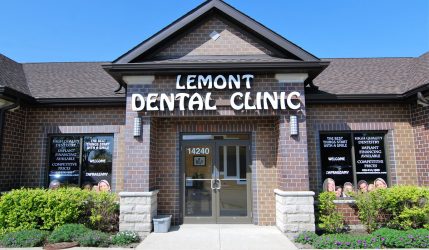
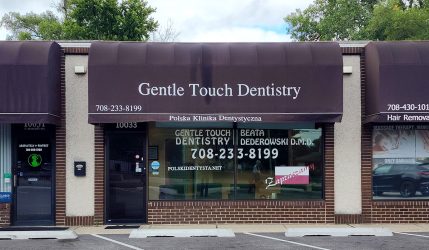
Call or book online with a local dental clinic like Lemont Dental Clinic & Gentle Touch Dentistry
Schedule a professional cleaning — most patients need one every six months
Expect a 30–60 minute appointment that includes scaling, polishing, and a fluoride treatment
Get more frequent visits (every 3–4 months) if you have gum disease or heavy buildup
Most of us brush twice a day and think that’s enough. But brushing only removes some of the bacteria-laden film on your teeth. The rest? It quietly hardens into tartar — a substance no toothbrush can touch.
That sticky film is called plaque, and once it hardens, only a dental professional with specialized tools can remove it.
Here’s the thing: nearly 42% of adults over 30 already have some form of gum disease, often without knowing it. Plaque buildup is the root cause. Left untreated, it doesn’t just damage your teeth — research links it to serious conditions like heart disease and diabetes.
The good news is that professional plaque removal is straightforward, largely comfortable, and one of the most effective things you can do for your long-term health.
This guide walks you through everything — what plaque is, why it matters, what a cleaning appointment actually involves, and how to find the right dental care near you.
Understanding Plaque and Tartar: What Is the Difference?
To understand why searching for plaque removal near me is so important, we first need to look at the two main troublemakers in your mouth: plaque and tartar. While people often use these terms interchangeably, they are actually two very different stages of dental buildup.
How Plaque Forms
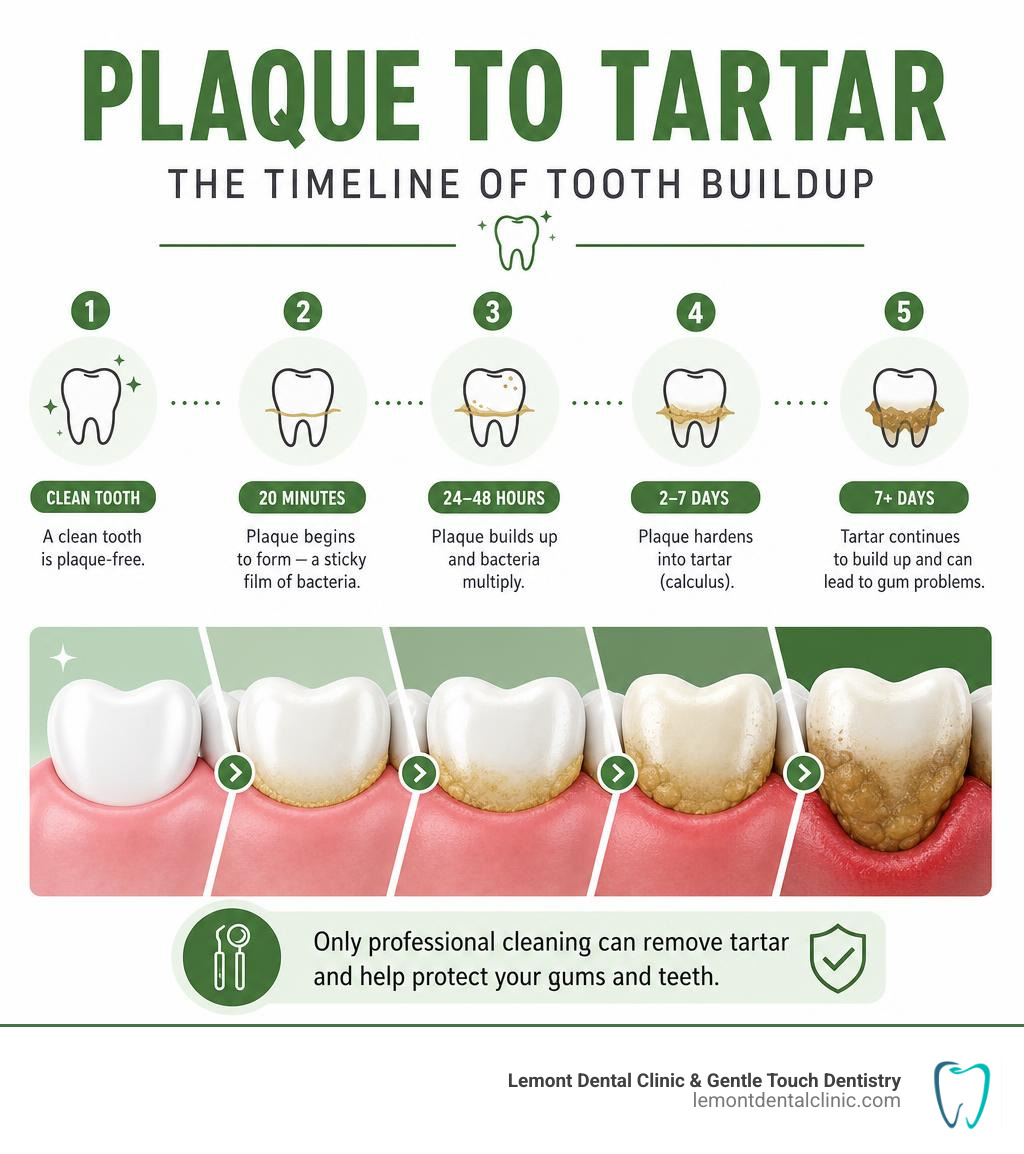
Plaque is a soft, sticky, and virtually colorless film of bacteria that constantly forms on your teeth. It is a natural byproduct of eating and drinking. When you consume foods—especially those high in carbohydrates, sugars, or starches—the bacteria living in your mouth feast on these leftovers.
As these bacteria feed, they mix with your saliva and food particles, producing acids that coat your teeth. This sticky mixture is plaque. If you do not brush and floss it away regularly, these acids will slowly eat away at your tooth enamel, leading to cavities and irritating your gum tissue.
How Plaque Becomes Tartar (Calculus)
If plaque is allowed to sit on your teeth for more than 24 to 72 hours, it undergoes a chemical change. Minerals in your saliva—such as calcium and phosphate—mix with the soft plaque, causing it to crystallize and harden. Once plaque has mineralized, it is officially classified as tartar (also known in the dental world as calculus).
Unlike plaque, which is soft and easily disrupted by a standard toothbrush, tartar is incredibly tough. It binds directly to your tooth enamel and forms a rough, porous shield. This rough surface acts like a magnet, making it even easier for new plaque to attach and accumulate.
To help you visualize the key differences, we have broken down their unique characteristics in the comparison table below:
Feature
Plaque
Tartar (Calculus)
Texture
Soft, sticky, and easily scraped off with a fingernail or brush
Hard, rough, and mineralized; feels like concrete on the tooth
Color
Colorless to pale yellow
White, yellow, brown, or even black (especially near the gumline)
Removal Method
Regular brushing, flossing, and using a mouthwash at home
Only removable by a dental professional using specialized instruments
Main Danger
Acid production leading to cavities and early gum irritation
Bone loss, deep gum infections, and tooth loss
Because tartar is so resilient, no amount of aggressive brushing at home will budge it. Trying to scrape it off yourself can permanently scratch your enamel. This is why reading through our dental cleaning complete guide is so helpful—it highlights how professional intervention is the only safe way to restore your teeth to a clean, smooth state.
Why Professional Plaque Removal Near Me Is Essential
It is easy to assume that if your teeth do not hurt, your mouth is perfectly healthy. However, plaque and tartar buildup are silent threats. By the time you actually feel pain, the damage is often already extensive. Getting professional plaque removal near me is not just about keeping your teeth looking bright; it is a fundamental requirement for protecting your entire body.
The Progression to Gum Disease
When tartar is allowed to build up along and underneath your gumline, it acts as a constant irritant to your delicate gum tissue. This leads to the first stage of gum disease, known as gingivitis. Signs of gingivitis include:
Red, swollen, or puffy gums
Gums that bleed easily when you brush or floss
Persistent bad breath that does not go away with mouthwash
If gingivitis is ignored, it can progress into a much more severe condition called periodontitis. During periodontitis, your gums begin to pull away from your teeth, creating deep pockets where bacteria thrive. Your body’s immune system tries to fight off this infection, but the combination of bacterial toxins and your body’s inflammatory response starts to break down the bone and connective tissues holding your teeth in place. This is why untreated gum disease is the leading cause of adult tooth loss.
The Oral-Systemic Health Connection
Your mouth is the gateway to the rest of your body. When you have chronic inflammation and infection in your gums, those bacteria do not stay put. They can easily enter your bloodstream through tiny broken blood vessels in your gums and travel to other vital organs.
Medical research has firmly established strong links between untreated periodontal disease and several serious systemic health conditions:
Heart Disease: The same bacteria found in dental plaque can travel to your arteries, contributing to arterial plaque buildup and increasing your risk of heart attacks and strokes.
Diabetes: It is a two-way street. People with diabetes are more susceptible to gum infections, and active gum disease makes it much harder to control blood sugar levels.
Respiratory Infections: Inhaling bacteria from infected gums can lead to respiratory issues, including pneumonia, especially in older adults.
Scheduling a professional dental cleaning is one of the easiest ways to lower your body’s overall inflammatory load, protecting both your smile and your physical well-being.
Types of Dental Cleanings and What to Expect
When you search for plaque removal near me, you might discover that dental offices offer different types of cleanings. Depending on the health of your gums and how much buildup is present, our team will recommend the specific treatment that will serve you best.
Routine Cleaning vs. Deep Cleaning: Which Do You Need?
Routine Cleaning (Prophylaxis): This is a preventative treatment designed for patients who have healthy gum tissues and minimal bone loss. It focuses on removing plaque, tartar, and surface stains from the areas of your teeth above the gumline.
Deep Cleaning (Scaling and Root Planing): This is a therapeutic treatment recommended for patients showing signs of active gum disease (periodontitis), gum recession, or deep pocket depths. Instead of just cleaning the visible surfaces, a deep cleaning goes deep below the gumline to clean the root surfaces of your teeth and smooth out rough areas where bacteria like to hide.
What Happens During a Plaque Removal Near Me Appointment?
If you are wondering what to expect when you book your visit, a typical professional cleaning appointment is highly structured to ensure we don’t miss a single speck of buildup. Here is the step-by-step process of what we do:
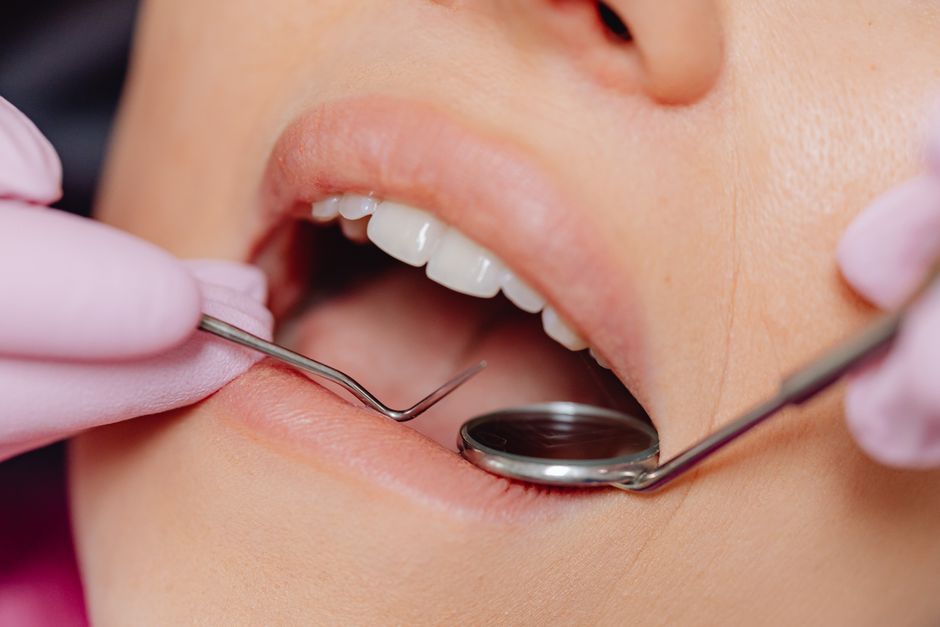
The Physical Exam: Before starting, our hygienist uses a small mirror to inspect your entire mouth, checking for signs of gingivitis, cavities, or other potential concerns.
Scaling: Using manual hand instruments or advanced ultrasonic teeth cleaning tools, we gently scrape away the plaque and tartar from your tooth surfaces and around the gumline.
Polishing: Once your teeth are free of tartar, we use a high-powered electric brush with a gritty paste to polish your teeth. This eliminates any remaining surface stains and leaves your teeth feeling incredibly smooth.
Flossing: We perform a thorough professional flossing to clean the tight spaces between your teeth and remove any leftover debris.
Fluoride Treatment: To wrap up, we may apply a professional-strength fluoride varnish to help rebuild and strengthen your tooth enamel, providing an extra layer of defense against decay.
Is plaque removal painful and what should I expect?
One of the most common reasons people put off searching for plaque removal near me is dental anxiety. However, a routine cleaning is typically painless. Most patients describe feeling a light scraping sensation or mild vibration, but nothing that causes severe pain.
If it has been several years since your last visit, or if you have sensitive teeth or inflamed gums, you might experience some mild discomfort or temporary gum bleeding during the process. If you are undergoing a deep cleaning, we can easily apply a local anesthetic to numb your gums so you do not feel a thing.
While you can easily manage soft plaque at home with a solid oral hygiene routine, you cannot safely remove tartar at home.
Some people try to buy metal dental scrapers online to do DIY scaling. We strongly advise against this. Without professional training and specialized mirrors, you run a massive risk of:
Scratching and permanently wearing down your tooth enamel
Slicing your delicate gum tissue, which can introduce bacteria directly into your bloodstream
Pushing tartar deeper under the gums, worsening infections
You may have heard of products like the Dentist-approved Plaque Remover for everyday use , which is an at-home ultrasonic tool designed to help control soft buildup. While tools like these can be helpful additions to your daily routine, they are meant to assist with plaque prevention—they do not replace the deep, comprehensive clean that only a licensed professional can provide. For more details on safe home care, read our dentist teeth cleaning complete guide.
How often should I get a professional dental cleaning?
The American Dental Association (ADA) recommends that most patients visit their dentist twice a year (every six months) for a professional cleaning and exam. These regular visits allow us to clear away stubborn tartar before it has a chance to cause permanent damage to your gums or bone structure.
However, oral health is highly individualized. If you have a history of gum disease, heavy plaque buildup, dry mouth, or if you smoke, we may recommend more frequent visits—such as every three to four months—to keep your smile in optimal shape.
Finding Trusted Plaque Removal in Your Neighborhood
When looking for plaque removal near me, finding a clinic that combines advanced technology with a gentle, patient-first approach is key. If you live in the southwest Chicago suburbs, you have access to excellent local care.
Whether you are in Lemont, Palos Hills, Chicago Ridge, Worth, Palos Park, Hickory Hills, Oak Lawn, or other nearby communities, it is important to choose a dental office that makes you feel comfortable and valued. When evaluating local options, consider the following factors:
Advanced Technology: Look for clinics that use modern tools like ultrasonic scalers for a more comfortable cleaning experience.
Comprehensive Services: Choose a provider that offers everything from routine cleanings to deep cleanings and restorative care.
Patient-First Approach: Read reviews to ensure the team is known for being gentle, especially if you experience dental anxiety.
By selecting a trusted local practice close to home, you can easily maintain your recommended six-month cleaning schedule and keep your smile in optimal health.
Conclusion
Taking care of your smile is one of the best investments you can make for your overall health. Plaque and tartar are persistent, but with a combination of diligent home care and regular professional visits, keeping your teeth clean and healthy is highly achievable.
At Lemont Dental Clinic & Gentle Touch Dentistry, we are proud to provide high-quality, comprehensive general and restorative dental care to our patients in Lemont, Palos Hills, and surrounding communities like Chicago Ridge, Worth, Palos Park, Hickory Hills, Oak Lawn, Orland Park, Palos Heights, Bolingbrook, Romeoville, Palisades, and Lockport Heights.
Our core mission is to offer all-in-one care using the latest dental technology at competitive prices, ensuring that top-tier oral health is both high-quality and accessible. We stay fully aligned with the latest 2026 dental standards to give you a comfortable, stress-free experience every time you sit in our chair.
If it has been a while since your last visit, do not wait for a toothache to tell you there is a problem. Contact us today to schedule your next regular cleaning and let us help you keep your smile bright, healthy, and beautiful for years to come!