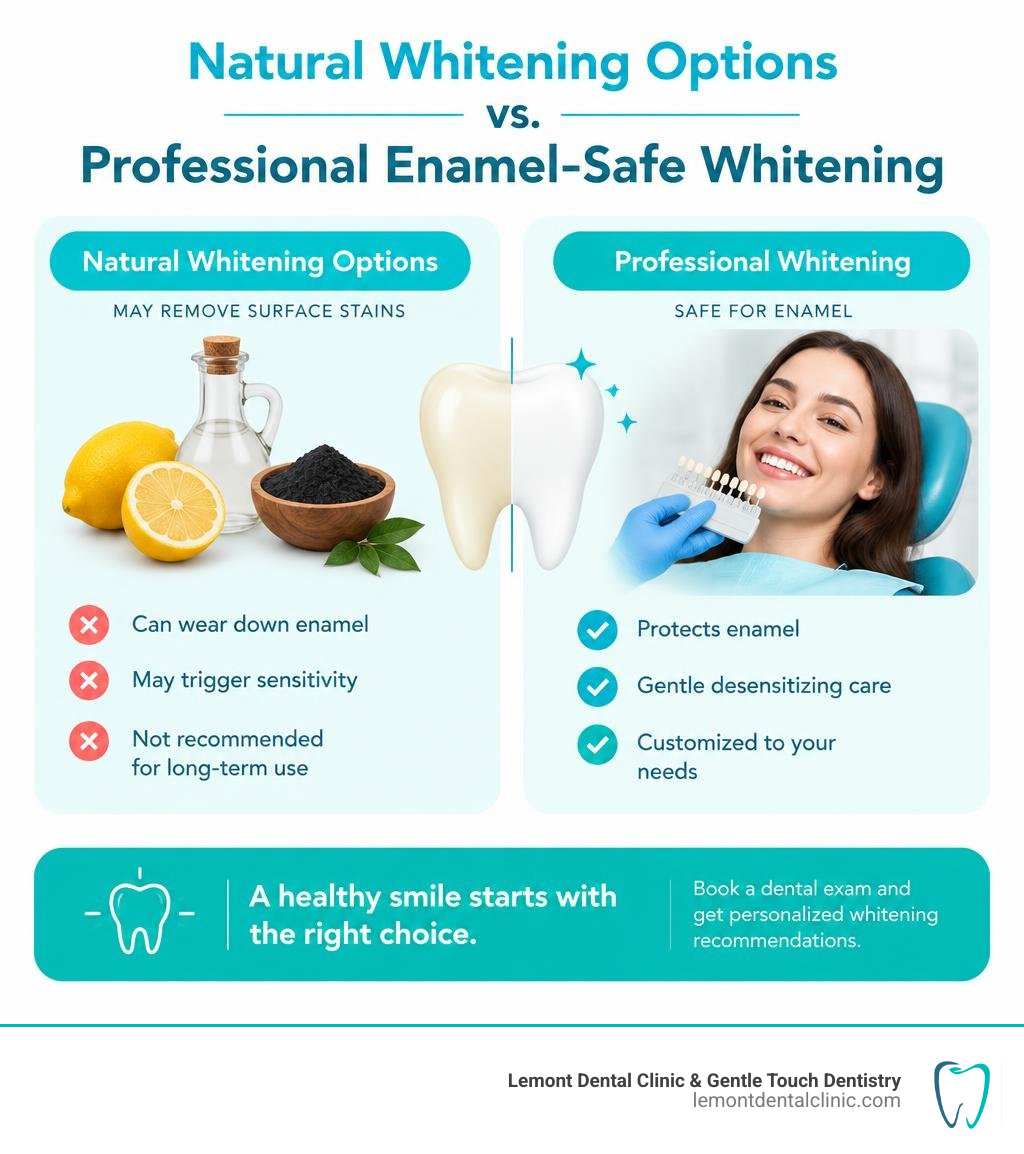
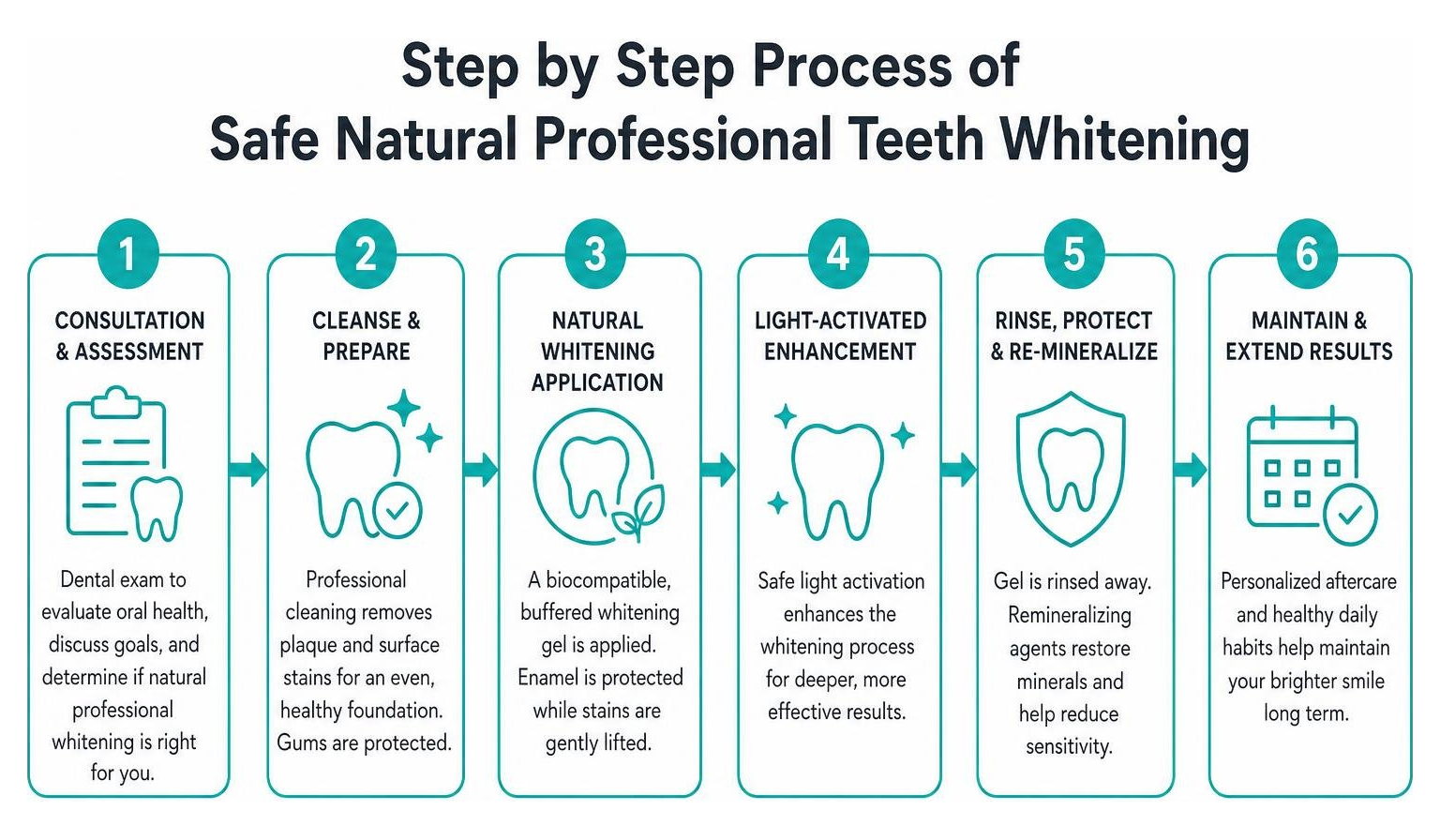
For natural teeth whitening near me, start with a dental exam and ask about professionally supervised options that protect enamel, such as customized whitening plans, gentle desensitizing care, and ADA-accepted home products when appropriate. Avoid DIY acids and harsh scrubs: lemon juice, vinegar, and abrasive charcoal may remove surface stains, but they can also wear down enamel and trigger sensitivity.
Whiter teeth are one of the most requested smile improvements. But “natural” does not always mean safe. The best approach is one that fits your tooth health, existing dental work, and sensitivity level.
At Lemont Dental Clinic & Gentle Touch Dentistry, the focus should be on a healthy smile first. A professional can identify whether discoloration is from surface stains, enamel changes, decay, or restorations before recommending whitening.
DIY Natural Whitening Remedies: What Works and What Harms Enamel
The internet is filled with home recipes claiming to brighten your smile overnight using everyday pantry staples. When the American Academy of Cosmetic Dentistry surveyed adults about what they would most like to improve about their smile, the overwhelming answer was whiter teeth. It is no surprise that DIY tricks gain traction quickly. However, understanding the biological effects of these ingredients is essential before applying them to your mouth.
Baking Soda (Sodium Bicarbonate)
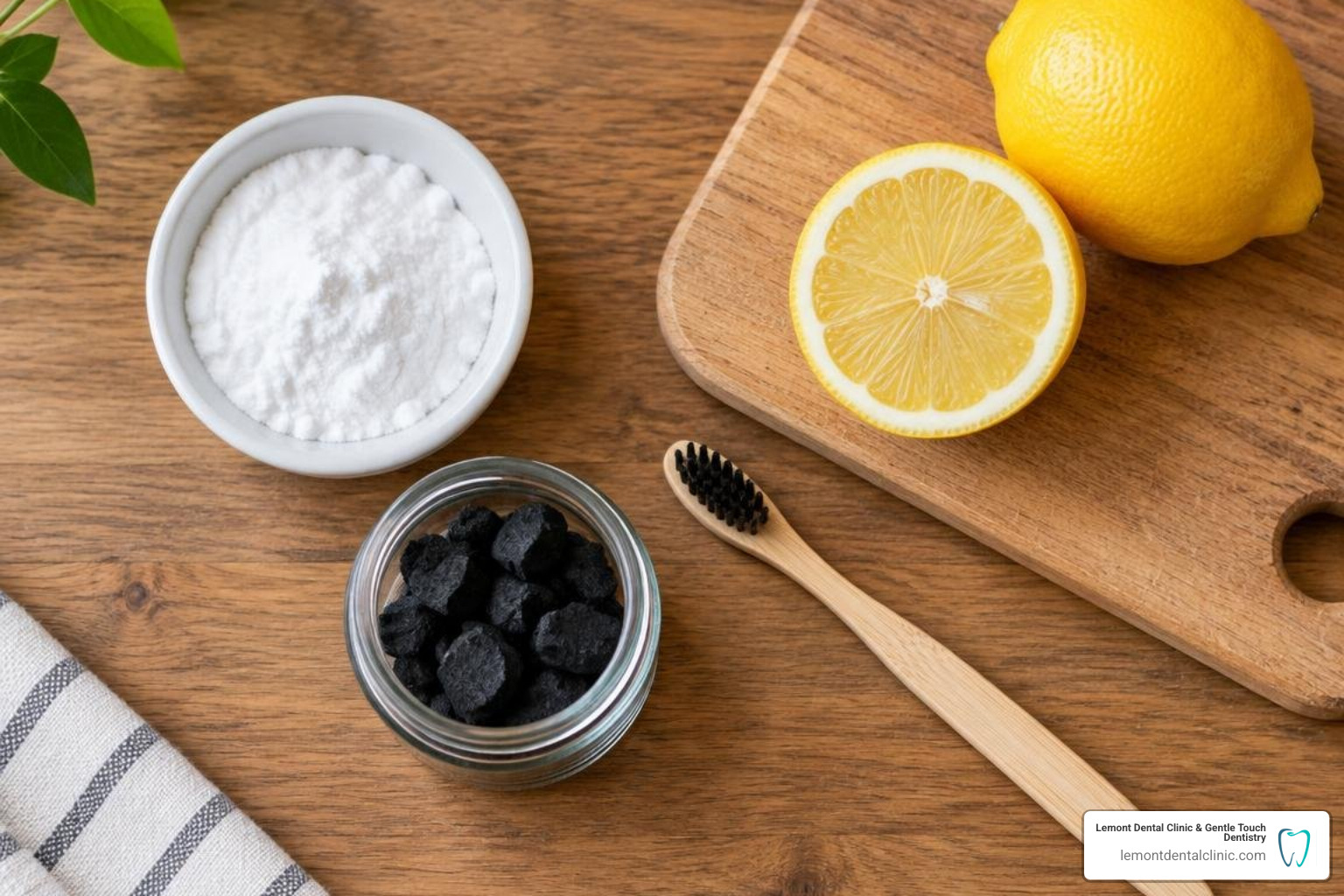
Baking soda is one of the oldest home remedies for oral hygiene. It functions as a mild abrasive that physically scrubs extrinsic stains—such as those from coffee or tea—off the outer enamel. Because it has an alkaline pH, it neutralizes harmful acids in the mouth, creating an environment that discourages cavity-causing bacteria. When used properly and gently, baking soda can help lift superficial stains. However, it cannot alter the intrinsic shade of your teeth, and over-scrubbing can cause unnecessary micro-abrasions over time.
Activated Charcoal
Activated charcoal powder is widely marketed for its supposed toxin-absorbing properties. While it can bind to surface pigments, it poses significant mechanical risks. Charcoal particles are highly abrasive and irregular. Scrubbing your teeth with raw charcoal can wear away the outer layer of enamel. As enamel thins, the underlying dentin—which is naturally yellow—becomes visible, creating the opposite effect of what you set out to achieve. In fact, a major review in the Journal of the American Dental Association found no sufficient clinical evidence supporting the safety or efficacy of charcoal whitening scrubs.
Fruit Acids and Enzymes
Rubbing lemon juice, apple cider vinegar, or crushed strawberries on teeth has become a viral trend. While strawberries contain malic acid (which acts as a mild astringent), citrus fruits like lemons introduce extreme acidity directly to the enamel surface.
In a 2023 in vitro study evaluating natural remedies versus commercial bleaching agents, researchers observed significant color shifts across various test groups. The study recorded the following color change values ($\Delta E$) after four weeks:
Lemon juice group: $44.0 \pm 2.9$
Professional 20% home-bleaching group: $43.3 \pm 1.9$
While lemon juice produced a high color shift, this occurred primarily because the potent acid severely etched and demineralized the enamel surface, creating an artificial, chalky “white-frosted” look through mineral loss. Acid-induced enamel erosion permanently strips protective minerals, increases tooth porosity, and leaves teeth vulnerable to severe sensitivity and rapid restaining.
You cannot turn lemons into a brighter smile—only a more sour one! Instead of risking chemical erosion with raw citrus, explore proven stain removal tips and daily habits that preserve your natural tooth structure.
Why Patients Search for Natural Teeth Whitening Near Me
As more than one million Americans seek cosmetic brightening each year, generating nearly $600 million for dental practices, patient preferences have shifted toward cleaner, gentler methods. Many individuals actively search for holistic alternatives because they want to avoid harsh synthetic chemicals, artificial preservatives, or painful post-bleaching sensitivity.
Patients seeking natural solutions generally prioritize:
Biocompatibility: Utilizing mineral-based, plant-derived, or pH-balanced agents that work harmoniously with oral tissues.
Enamel Preservation: Lifting chromogens (staining compounds) without etching the underlying crystal lattice of the tooth.
Sensitivity Control: Avoiding rapid dehydration of dentinal tubules, which commonly causes sharp discomfort.
Overall Wellness: Choosing procedures that align with comprehensive oral-systemic health.
Comparing Natural Remedies vs. Professional In-Office Whitening
To decide between at-home experiments and professional care, it helps to understand how different modalities perform across safety, ingredients, and effectiveness:
Feature
DIY Kitchen Remedies
Over-the-Counter Whitening Kits
Professional In-Office Whitening
Primary Ingredients
Baking soda, charcoal, citrus juices, crushed fruit
Low-concentration hydrogen or carbamide peroxide
Biocompatible, buffered peroxide or mineral gels
Average Shade Improvement
0 to 1 shade (superficial only)
1 to 2 shades
3 to 8 shades (up to 14 with specialized systems)
Enamel Safety
High risk of abrasion and acidic demineralization
Moderate risk of gum irritation from ill-fitting trays
High; enamel protected by clinician-applied barriers
Sensitivity Management
Unpredictable; frequently causes nerve irritation
Limited desensitizers included
Integrated remineralizing agents and desensitizers
Supervision Level
None
Self-administered
Fully supervised by dental professionals
Treatment Timeframe
Weeks to months with inconsistent results
10 to 14 consecutive days
Single 60 to 90-minute appointment
While retail whitening toothpaste grew by 4% between 2017 and 2021 to become a $3 million segment, surface-level products cannot match the clinical depth of supervised care. If discomfort has held you back from cosmetic enhancements in the past, learning more about achieving whiter teeth without sensitivity can help you discover comfortable, balanced options.
Finding the Safest Natural Teeth Whitening Near Me
When searching for natural whitening in your community, the safest path is partnering with an experienced dental practice that understands biological dental concepts. True clinical “natural” whitening does not mean mixing powders in your bathroom; it means receiving gentle, non-toxic, and enamel-safe treatments administered by licensed professionals.
A comprehensive practice takes several steps to deliver safe, vibrant results:
Clinical Oral Assessment: Ensuring that your gums are healthy and that no active decay or exposed roots are present before applying active solutions.
Biocompatible Formulations: Utilizing high-purity, pH-neutral gels that lift organic stains through targeted oxidation rather than abrasive friction.
Advanced Supportive Therapies: Incorporating therapeutic light applications, including red light therapy, which supports cellular tissue health and soothes delicate gum margins during cosmetic care.
Remineralization Treatments: Applying clinical-grade calcium, phosphate, or fluoride minerals immediately post-treatment to seal open tubules and reinforce the enamel structure.
What to Expect When Booking Natural Teeth Whitening Near Me
If you are scheduling your first professional whitening appointment at Lemont Dental Clinic & Gentle Touch Dentistry, here is what the visit looks like:
Initial Oral Health Evaluation: We examine your teeth, check existing restorations, and identify the root causes of discoloration (extrinsic lifestyle stains vs. intrinsic structural changes).
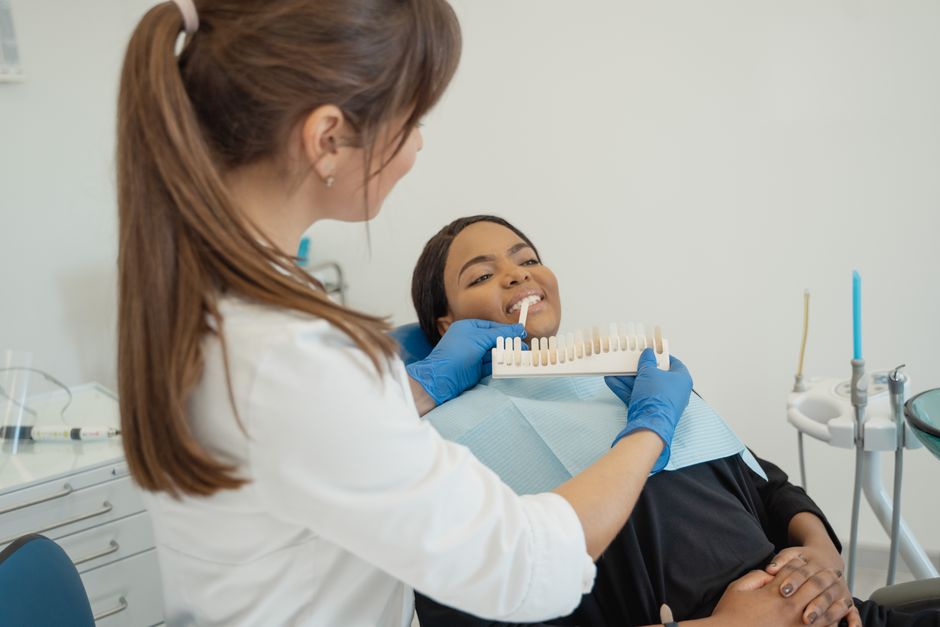
Shade Baseline Assessment: Using a professional dental shade guide, we record your starting shade to track progress accurately.
Gingival Protection: We apply a protective isolation barrier over your gums and soft tissues, ensuring active gels touch only the enamel.
Controlled Gel Application: Our gentle, professional-grade solution is applied in timed intervals (typically three to four 15-minute cycles), allowing organic pigments to break down safely.
Desensitizing and Remineralizing Application: We finish the treatment with a soothing mineral application designed to nourish the enamel and prevent post-procedure sensitivity.
By choosing guided local dental whitening care, you bypass the trial-and-error of internet hacks and enjoy immediate, predictable results.
Frequently Asked Questions About Natural Teeth Whitening
How long do natural professional teeth whitening results last?
Professional whitening results typically last between 1 and 3 years. The exact duration depends heavily on your lifestyle habits, diet, and oral hygiene routine. Regularly consuming chromogen-rich foods and beverages—such as espresso, black tea, red wine, soy sauce, and dark berries—or using tobacco products will introduce new surface stains sooner. Brushing twice daily with an ADA-approved toothpaste, flossing daily, and scheduling routine cleanings every six months will keep your smile bright for years.
Can I whiten my teeth naturally if I have sensitive teeth or dental restorations?
Yes, but professional supervision is critical. Whitening agents only alter the shade of natural tooth structure; they do not change the color of composite fillings, porcelain veneers, or dental crowns. If you have visible restorations on front teeth, your dentist can formulate a treatment plan that safely brightens natural teeth while discussing options to color-match older restorations afterward. For patients with pre-existing tooth sensitivity, dentists use buffered, neutral-pH gels paired with potassium nitrate or amorphous calcium phosphate to keep treatment comfortable.
What should I look for when choosing a natural teeth whitening provider?
When selecting a provider, look for licensed dental professionals who emphasize comprehensive oral health assessments before administering cosmetic treatments. Choose clinics that utilize biocompatible materials, protect your gingival tissues with clinical isolation barriers, and provide post-whitening remineralization support. Avoid non-dental spas or kiosks where operators lack clinical diagnostic training and cannot evaluate underlying oral conditions.
Conclusion
A radiant, white smile should never come at the expense of your enamel health. While kitchen remedies like lemon juice, charcoal powders, and fruit pastes promise quick results, their abrasive and acidic nature often causes lasting structural damage.
At Lemont Dental Clinic & Gentle Touch Dentistry, we believe in providing high-quality, comprehensive general and restorative dental care with a clear focus on safety, advanced technology, and lasting quality. Serving patients throughout Lemont, Palos Hills, and surrounding communities including Chicago Ridge, Worth, Palos Park, Hickory Hills, Oak Lawn, Orland Park, Palos Heights, Bolingbrook, Romeoville, Palisades, and Lockport Heights, our experienced team delivers stunning cosmetic results while keeping your teeth healthy and strong.
Abidia RF, El-Hejazi AA, Azam A, Al-Qhatani S, Al-Mugbel K, AlSulami M, Khan AS. “In vitro comparison of natural tooth-whitening remedies and professional tooth-whitening systems..” The Saudi dental journal, 2023. PMCID PMC10024105.