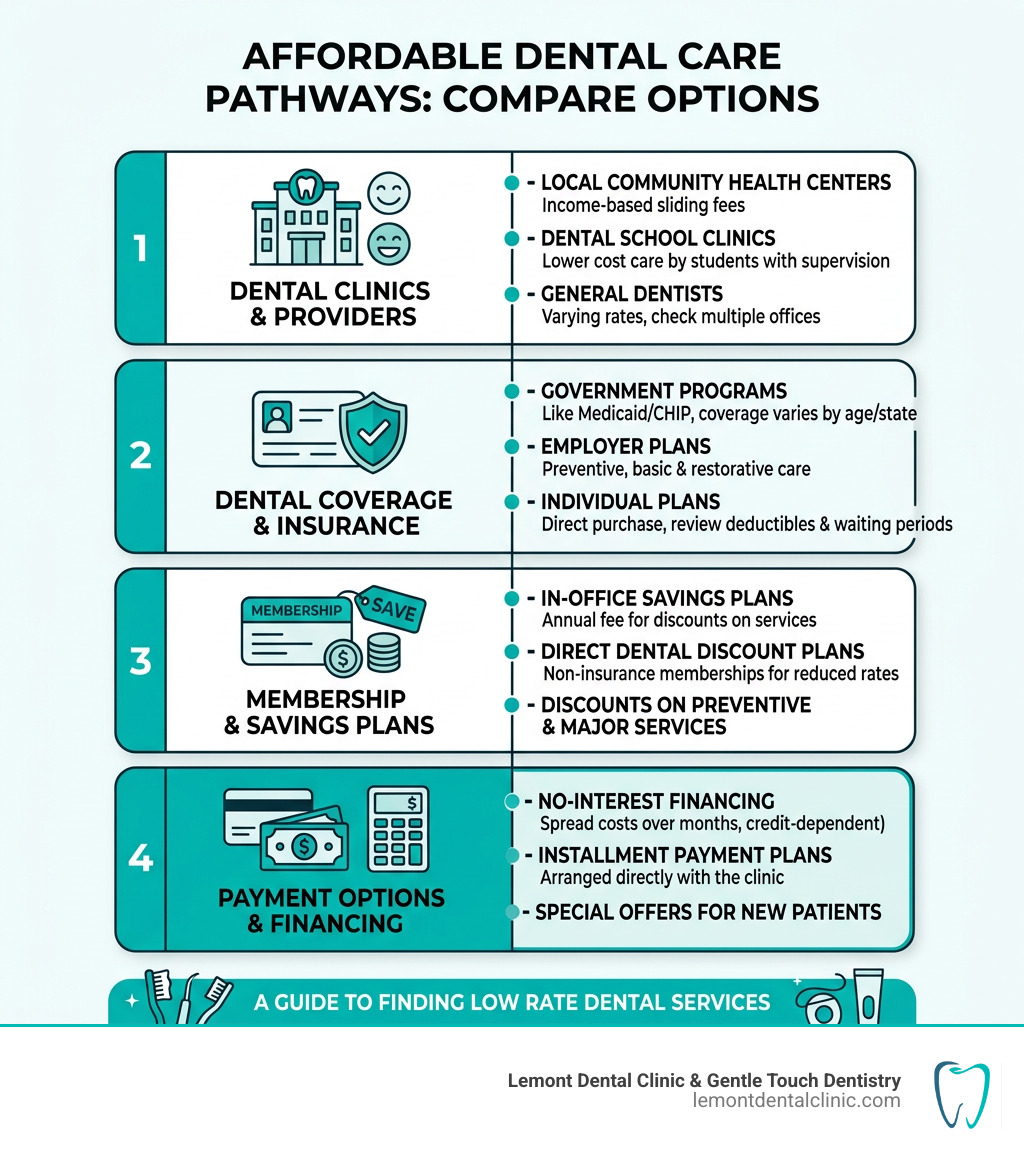
To find low rate dental services, start by calling local dental offices, community health centers, and dental school clinics. Ask whether they offer written estimates, membership savings plans, payment installments, or income-based fees. Before booking, confirm the provider’s license, what the exam includes, and the full expected cost of treatment.
Dental care is one of the health services adults most often delay because of cost. But putting off an exam, tooth pain, or gum problem can allow a smaller issue to become more complex. The right provider should help you understand your options without pressure, especially if dental visits have felt stressful in the past.
This guide explains where to look, how common affordability programs work, and the questions to ask before choosing a clinic for routine, emergency, or restorative care.
Understanding Options for Low Rate Dental Services
Finding dependable oral health care that respects your budget requires understanding how dental pricing functions. Standard dental fees reflect specialized equipment, licensed staff, sterilization protocols, diagnostic imaging systems, and premium restorative materials. However, every household faces unique financial realities, and navigating the real cost of dental services in 2026 does not mean you have to sacrifice procedural quality, hygiene safety, or long-term clinical durability.
Private practices set their standard fee schedules based on overhead, regional operating costs, laboratory partnership expenses, and ongoing clinical education. When patients do not have employer-sponsored dental insurance, paying these full out-of-pocket rates can feel intimidating. Fortunately, modern community healthcare delivery includes specialized access points tailored to lower out-of-pocket spending while maintaining strict medical safety and regulatory standards.
When exploring reduced-fee options, patients generally encounter two main community models: Community Health Centers and University Dental Clinics. Both deliver essential treatments through non-standard pricing structures such as sliding fee scales or educational subsidies.
Feature
Community Health Clinics
University Dental School Clinics
Primary Pricing Model
Sliding fee scale based on household income verification
Flat reduced rates (typically 50%–70% below private practice averages)
Primary Providers
Licensed staff dentists, dental hygienists, and residents
Dental students directly supervised by licensed faculty dentists
Appointment Length
Standard appointment durations
Longer appointments due to thorough academic evaluations and step-by-step checks
Scope of Services
Focus on general, preventive, and emergency care
Comprehensive care, including advanced restorative, periodontic, and implant procedures
Best Suited For
Uninsured or underinsured patients seeking routine local community care
Patients needing extensive, multi-step dental restorations on a budget
Major Care Models for Affordable Oral Health
A strong dental foundation combines regular preventive care with prompt restorative treatment when issues arise. If traditional private dental insurance is unavailable, several established community avenues can bridge the gap, ensuring that minor cavities or early gingivitis do not progress into severe structural infections.
Local professional organizations provide searchable registries to help families locate nearby support. For example, Cook County and surrounding suburban residents can consult the Chicago Dental Society public resources to locate regional programs, public health clinics, and specialized aid organizations tailored to individual needs. Many local non-profit foundations and municipal health departments also publish directories of credentialed dental providers who accommodate uninsured patients through subsidized billing.
Accessing Low Rate Dental Services Through Dental School Clinics
University teaching institutions operate full-service dental clinics that offer care at substantial discounts. Because student clinicians work under the direct oversight of licensed dental faculty, every diagnostic assessment, cleaning, filling, and crown is examined and approved at multiple stages.
These clinics provide significant savings—often 50% to 70% below standard private practice fees—making complex restorative treatments realistic for budget-conscious individuals who have the time for longer, more detailed visits. Beyond undergraduate dental student clinics, many universities host post-graduate residency programs in specialized disciplines such as periodontics, endodontics, prosthodontics, and oral surgery, allowing patients to receive advanced, complex treatments at reduced institutional rates.
Community Health Centers and Sliding Scale Clinics
Federally Qualified Health Centers (FQHCs) and community health facilities offer comprehensive medical and dental services to local neighborhoods. These centers receive federal grant funding under the Public Health Service Act, allowing them to adjust their fees based on documented household income and family size.
Community clinics ensure that essential services remain accessible to everyone regardless of their insurance status. They provide routine cleanings, emergency tooth extractions, restorative fillings, diagnostic digital radiographs, and essential treatment for periodontal disease to protect your oral health. To qualify for sliding scale discounts, patients typically present proof of income, such as recent pay stubs, tax returns, or proof of state assistance, during their initial registration.
Alternative Financing and Coverage Solutions
Beyond public clinics and academic institutions, modern dental practices provide straightforward financial arrangements to make continuous, high-quality care manageable for private-pay patients.
How Membership Plans Provide Low Rate Dental Services
For patients without conventional employer-backed insurance, in-house dental membership plans have emerged as an effective alternative. By paying an annual or monthly fee directly to the clinic, members receive scheduled preventive exams, routine cleanings, and diagnostic X-rays, along with consistent percentage discounts on major treatments like crowns, root canals, periodontal maintenance, and cosmetic services.
These programs eliminate confusing insurance barriers such as annual maximums, deductible limits, pre-authorization delays, claim denials, and mandatory waiting periods. Because there are no third-party claims administrators dictating coverage limits, treatment decisions remain strictly between you and your dentist. Pairing an in-office plan with periodic promotional clinic savings allows you to maintain continuous oral care without unexpected out-of-pocket spikes.
Flexible Financing and Structured Payment Installments
When comprehensive restorative procedures are needed to restore oral function, paying the entire cost upfront can be difficult. Many clinics offer structured solutions to fit your budget:
Staged Treatment Schedules: Segmenting extensive care plans into sequential phases so payments align with your personal cash flow.
In-House Installments: Customized payment terms coordinated directly with our financial team without third-party interest markups.
Third-Party Medical Financing: Dedicated healthcare credit programs offering low-interest or interest-deferred plans for qualified applicants.
Flexible Spending & Health Savings Accounts (FSA/HSA): Utilizing pre-tax healthcare dollars to pay for eligible dental procedures, reducing your overall tax burden while covering essential care.
Utilizing structured dental payment plans allows you to resolve active decay or replace missing teeth immediately rather than waiting until complex, costly complications develop.
Steps to Find and Vet Trusted Local Providers
Finding a cost-conscious dental provider should never mean compromising on clinical excellence, safety, or patient comfort. Careful vetting ensures you receive top-tier clinical care from experienced practitioners who respect your financial boundaries. Use this step-by-step vetting process to choose the right provider:
Verify State Licensing: Confirm that the dental professionals hold active licenses in good standing through state regulatory registries like the Illinois Department of Financial and Professional Regulation (IDFPR). This ensures that your dentist adheres to ongoing continuing education, safety, and ethical practice mandates.
Review Verified Patient Feedback: Browse established health directories such as the Healthgrades directory and verified community reviews to evaluate patient experiences regarding gentle care, scheduling accessibility, billing transparency, and chairside manner.
Request Written Cost Estimates: Reputable clinics provide clear treatment plans that explain procedure codes, supply costs, lab fees, and payment options before any work begins. A comprehensive upfront estimate eliminates hidden charges.
Evaluate Modern Technology: Ensure the practice utilizes modern diagnostic equipment, such as digital X-rays and intraoral scanners, which provide faster, more precise care while reducing procedural discomfort.
Inquire About Emergency Protocols: Ask how the clinic manages after-hours dental emergencies or urgent pain management to ensure continuous support when unexpected dental issues occur.
Frequently Asked Questions About Affordable Dental Care
How do dental schools maintain lower procedure costs compared to private practices?
University dental clinics receive institutional and educational funding to support clinical training programs. Patients receive care from dentists-in-training under the close supervision of experienced, licensed faculty. Because appointments serve an educational purpose and take longer than private practice visits, procedure fees are significantly discounted to compensate patients for their extended appointment time.
What should patients look for in a dental membership plan?
Look for plans that include regular preventive checkups, routine cleanings, and necessary diagnostic images, while offering clear percentage discounts (typically 15% to 30%) on major restorative treatments like crowns, bridges, and periodontal therapies. Make sure the plan has clear terms with no hidden deductibles, annual spending caps, or lengthy waiting periods before benefits activate.
Can uninsured patients arrange phased treatment schedules for major dental work?
Yes. Experienced dental teams can organize extensive treatment plans into prioritized phases. Urgent issues like active decay, infections, or severe pain are treated first to stabilize oral health, while elective or cosmetic enhancements can be scheduled over several months to fit your personal budget and cash flow.
Are sliding scale dental clinics available to individuals with partial insurance?
Yes, many Federally Qualified Health Centers and community clinics extend sliding fee schedules to underinsured patients whose current policies have high deductibles or limited restorative coverage. Contact the clinic’s billing coordinator to determine how your household income and existing policy interact under their fee schedule.
Conclusion
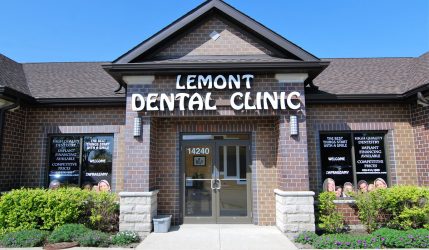
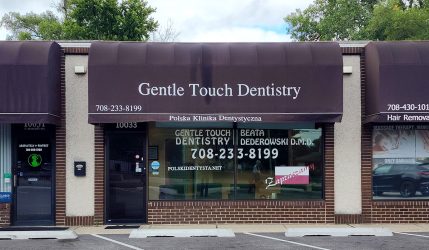
Affordable oral healthcare is built on proactive preventive visits, open communication, and transparent pricing. At Lemont Dental Clinic & Gentle Touch Dentistry, we deliver comprehensive general, cosmetic, and restorative care for individuals and families across Lemont, Palos Hills, and neighboring communities like Romeoville, Bolingbrook, Orland Park, and Oak Lawn.
We focus on honest guidance, clear financial options, and gentle, personalized treatment tailored to your schedule and budget. Explore our comprehensive general and restorative treatments to protect your oral health and smile with confidence.