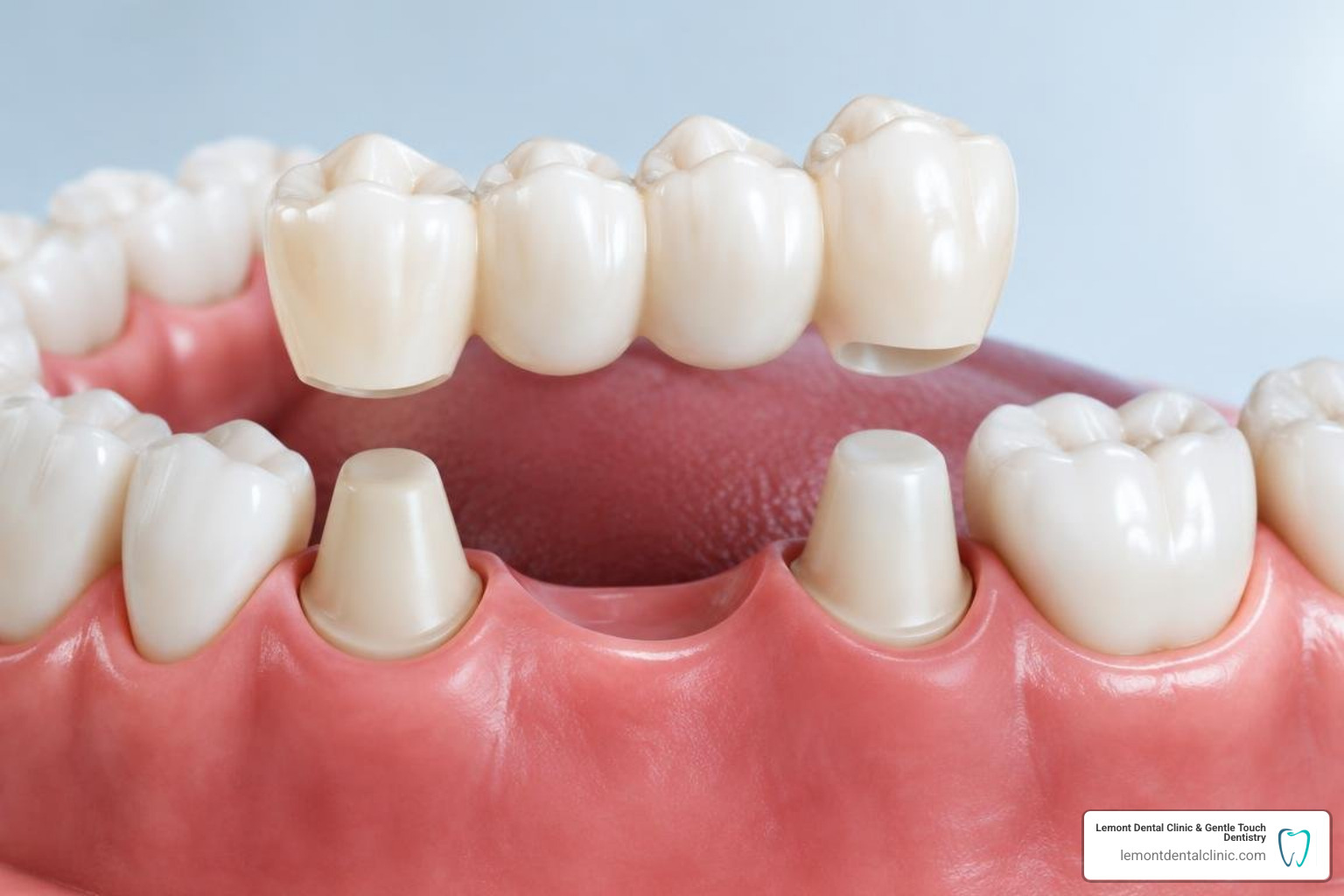
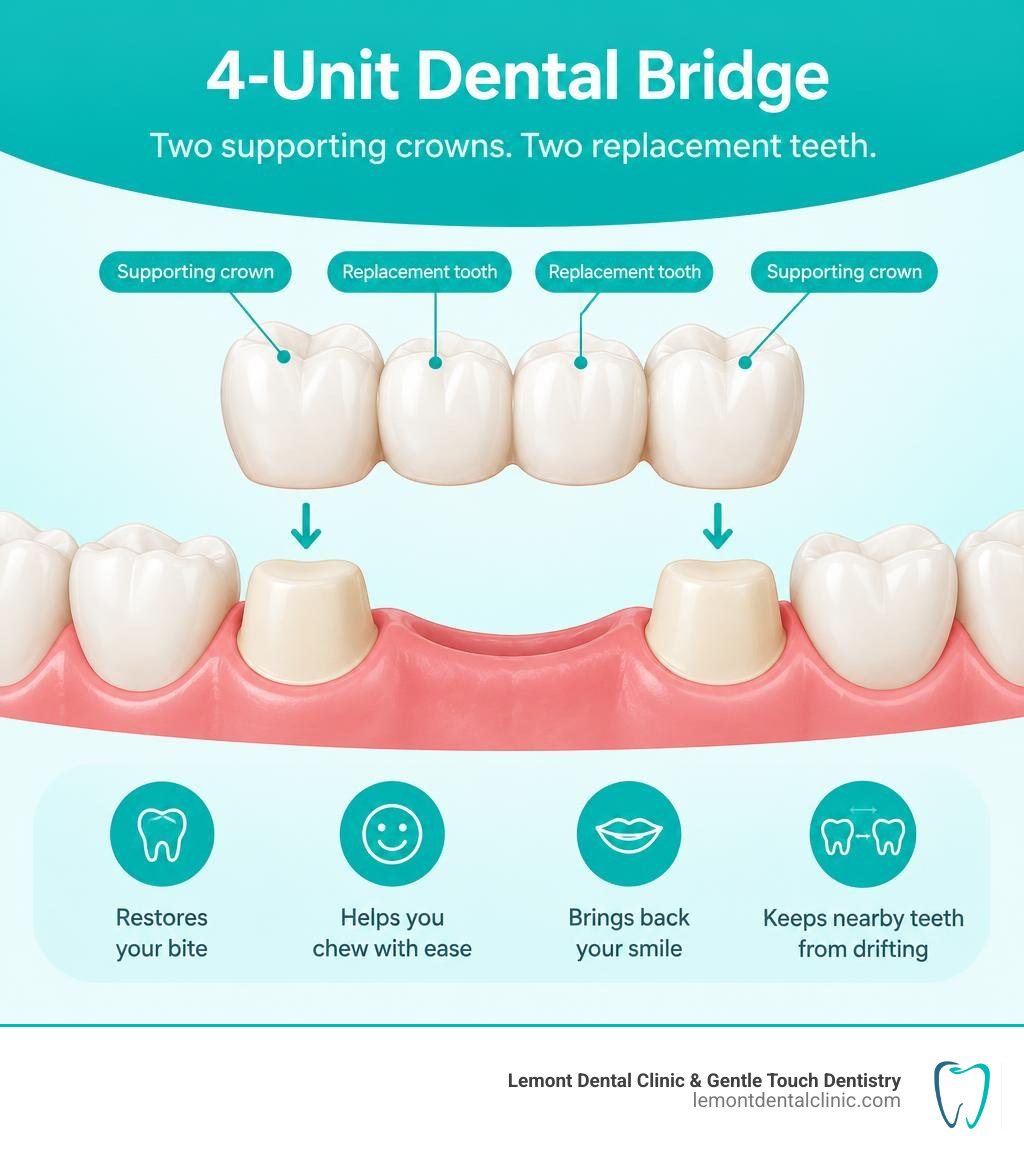
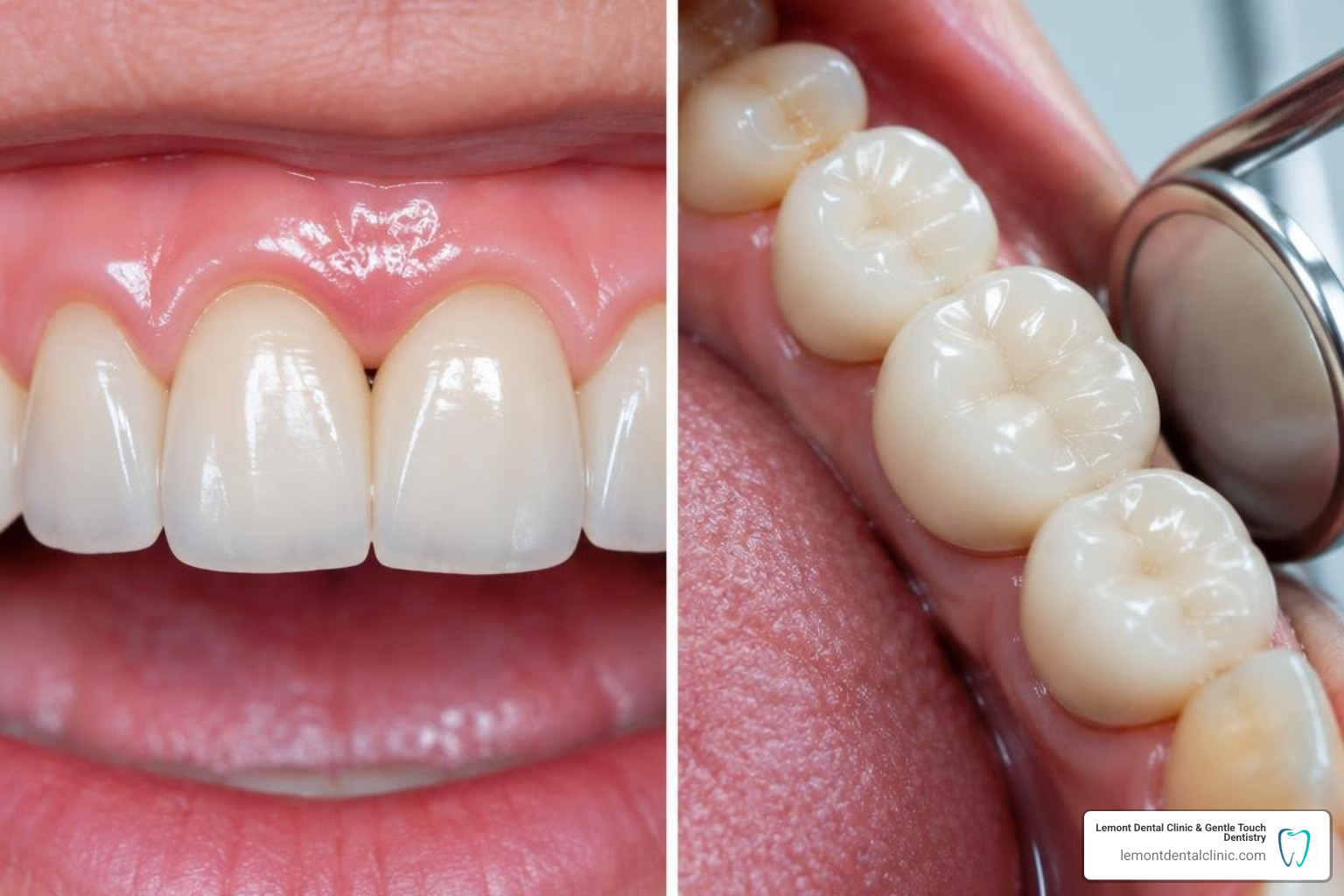
A 4-unit dental bridge is four connected tooth-sized parts. In a common design, two crowns fit over teeth on either side of a gap, while two artificial teeth fill the space between them. It can replace two missing teeth without a removable denture.
Replacing the gap can make chewing easier, restore your smile, and help keep nearby teeth from drifting. But the supporting teeth must be strong enough to carry the bridge. This guide explains the options, costs, treatment steps, and care so you can ask your dentist whether a bridge fits your needs.
Understanding the 4 Unit Dental Bridge: Definition and Configurations
When you lose teeth, the balance of your entire mouth shifts. A dental bridge restores that balance by spanning the empty space with custom-crafted prosthetics. Understanding how dentists count these units helps demystify your treatment plan. In restorative dentistry, every individual tooth segment—whether it is a cap anchored over an existing tooth or a suspended replacement tooth—counts as one unit.
In a classic four-unit setup, the structure consists of:
Two Abutments: The natural anchor teeth (or implants) at either end of the gap, prepared to hold supportive crowns.
Two Pontics: The floating artificial teeth suspended between the abutments to fill the empty space.
Together, these four pieces form a single, solid prosthetic. We frequently utilize modern crowns and bridges to prevent adjacent teeth from tilting inward and opposing teeth from super-erupting into the gap, both of which can cause bite collapse and jaw strain.
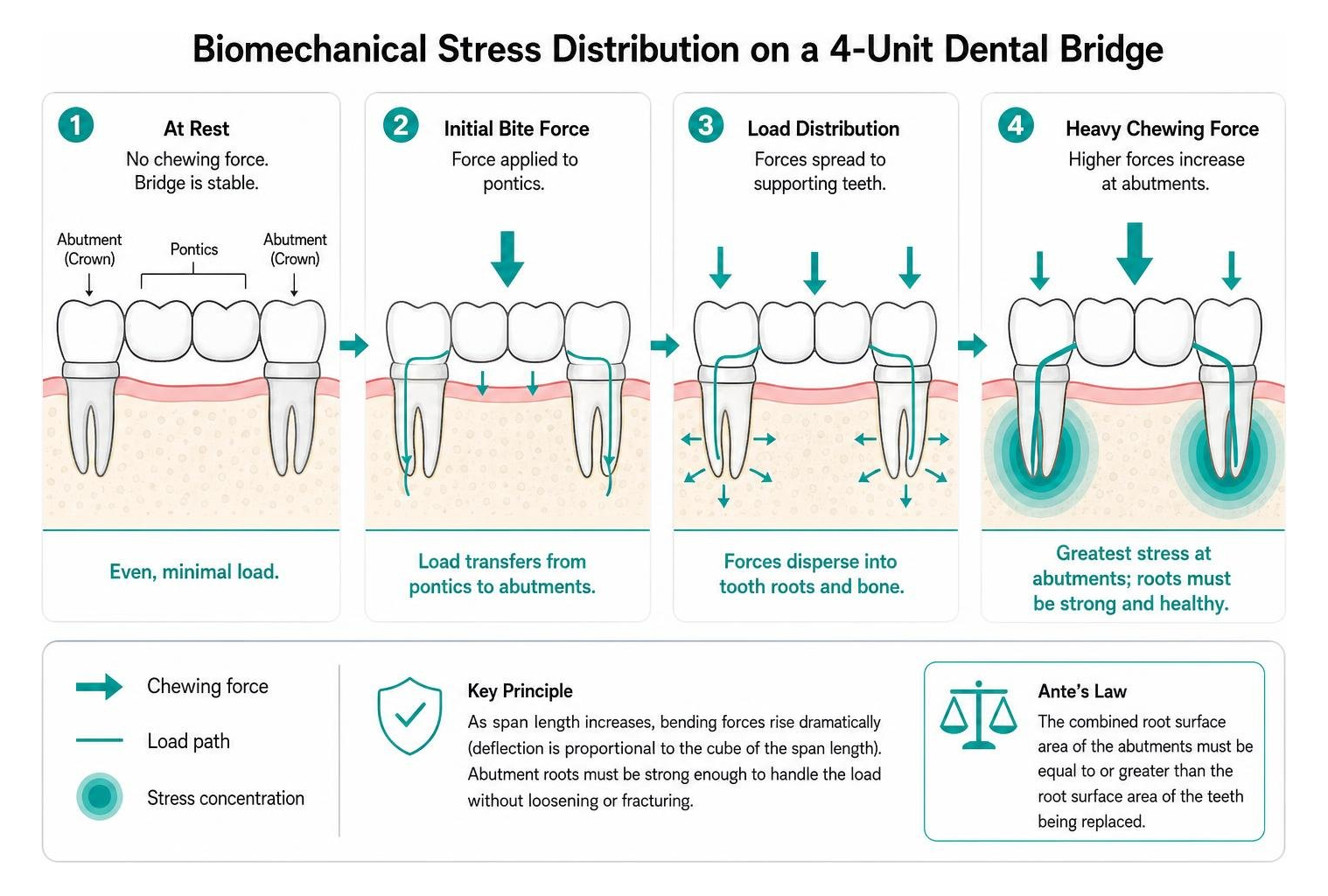
Biomechanical engineering plays a major role in bridge design. As span length increases, so do the physical forces applied during chewing. According to Ante’s Law, the combined root surface area of the supporting abutment teeth must be equal to or greater than the root surface area of the teeth being replaced. Because bending or deflection forces increase dramatically as the span widens (deflection is proportional to the cube of the span length), bridging a two-tooth gap with two natural abutments requires healthy, sturdy roots to handle the functional load without loosening or fracturing.
Tooth-Supported vs. Implant-Supported Bridge Structures
When replacing multiple teeth, you have two primary structural designs: anchoring the bridge to natural teeth or anchoring it to titanium implant posts.
Tooth-Supported Bridges: These rely entirely on natural teeth that sit adjacent to the gap. We shape the enamel of these neighbor teeth so crowns can fit snugly over them. This approach requires no oral surgery and is typically completed within a couple of weeks. However, it permanently alters healthy enamel and does not stop bone resorption in the jaw where roots are missing.
Implant-Supported Bridges: If neighboring teeth are too weak, or if you prefer to preserve natural tooth enamel, dental implants serve as artificial roots. Titanium posts are surgically placed into the jawbone. Over three to six months, osseointegration occurs, fusing the bone to the metal posts. A custom four-unit bridge is then secured directly to these implants. This option stops bone loss, handles heavy posterior chewing loads with ease, and avoids altering adjacent teeth.
For a deeper dive into financial and structural differences, exploring our fixed bridge cost guide 2026 can provide clarity on budgeting for fixed restorations.
Bridge Configurations, Materials, and Aesthetic Considerations
Modern restorative dentistry has moved far beyond dark, unnatural metal restorations. Advanced computer-aided design and manufacturing (CAD/CAM) allow us to mill restorations with exceptional precision, ensuring optimal fit and natural translucency.
Selecting the right material depends on where the bridge sits in your mouth, your bite strength, and your cosmetic goals.
Material Type
Flexural Strength
Aesthetic Appeal
Best Suited For
Cost Level
Monolithic Zirconia
Extremely High (>1000 MPa)
Good to Very Good
Back molars & heavy bite areas
Moderate to High
Layered Zirconia
High (800–1000 MPa)
Excellent
Front teeth & premolars
High
Lithium Disilicate (E-Max)
Moderate (400–500 MPa)
Superior (Lifelike translucency)
Shorter anterior spans
High
Porcelain-Fused-to-Metal (PFM)
High (supported by metal substructure)
Fair to Good (Opaque core)
Posterior teeth / budget-friendly
Moderate
What Materials Are Best for a 4 Unit Dental Bridge?
Because a four-unit bridge spans a wide gap, flexural strength is critical.
Monolithic Zirconia: Known as the powerhouse of modern dental materials, solid zirconia offers exceptional fracture resistance. It resists chipping under heavy bite forces, making it our top choice for back teeth.
Lithium Disilicate (All-Ceramic): These ceramics provide unmatched lifelike beauty and light transmission, but their lower flexural strength means they are best reserved for shorter, low-stress spans.
Porcelain-Fused-to-Metal (PFM): PFM bridges have been a reliable choice for decades. They feature a durable metal framework coated in tooth-colored porcelain. While strong, the metal substructure can sometimes create an opaque appearance or show a faint dark line near the gumline over time.
For additional clinical guidance on bridge options, you can review helpful research on dental bridge considerations regarding oral health maintenance and design.
Front Teeth Spans vs. Posterior Bridges
Restoring four units in the front of your mouth (anterior) requires a very different approach than restoring four units in the back (posterior).
Anterior bridges must match your natural smile line, subtle tooth shades, and gum contours. Because biting into an apple creates shearing forces rather than heavy vertical crushing loads, materials like layered zirconia or specialized ceramics are chosen to achieve life-like translucency.
Posterior bridges, by contrast, must withstand immense chewing pressures. The molars and premolars grind food under hundreds of pounds of pressure per square inch. For these areas, durability takes priority over subtle translucency, making monolithic zirconia or rugged metal-supported bridges ideal for long-term stability.
Procedure, Longevity, and Candidate Criteria
Getting a traditional four-unit restoration typically takes two appointments over two to three weeks. In our offices in Lemont and Palos Hills, IL, we make the process smooth and comfortable. Here is what to expect:
Diagnostic Workup & Digital Scanning: We capture detailed digital x-rays, intraoral scans, and photographs to evaluate your bone levels, root health, and bite alignment.
Tooth Preparation: Under gentle local anesthesia, we carefully reshape the abutment teeth, removing a thin outer layer of enamel to create space for the bridge crowns.
Impressions & Temporary Bridge: An accurate 3D digital scan is sent to a specialized dental laboratory. In the meantime, we place a custom temporary bridge to protect your prepared teeth, maintain your bite, and keep you smiling comfortably.
Custom Fabrication: Dental technicians mill and hand-glaze your permanent bridge to exact shade and bite specifications.
Final Fitting and Cementation: Once ready, we remove the temporary, check the fit, bite, and aesthetics of your permanent restoration, and bond it securely in place.
Who Is an Ideal Candidate for a 4 Unit Dental Bridge?
A successful bridge relies on a solid foundation. You are likely a great candidate if you have:
Two adjacent missing teeth surrounded by healthy, well-anchored teeth.
Healthy gum tissue free from active periodontal disease.
An adequate crown-to-root ratio, meaning your anchor teeth have long, sturdy roots sitting in dense bone.
Consistent daily oral hygiene habits.
Conversely, bridges may not be ideal for patients with severe untreated gum disease, heavily mobile teeth, or excessive unmanaged teeth grinding (bruxism), which can fracture long-span porcelain. In those situations, exploring permanent bridge teeth supported by implants or using a custom nightguard may be recommended first.
Daily Maintenance and Cleaning Techniques
With good oral hygiene and regular dental checkups, a well-made four-unit bridge typically lasts between 10 and 15 years, while implant-supported variations can last even longer.
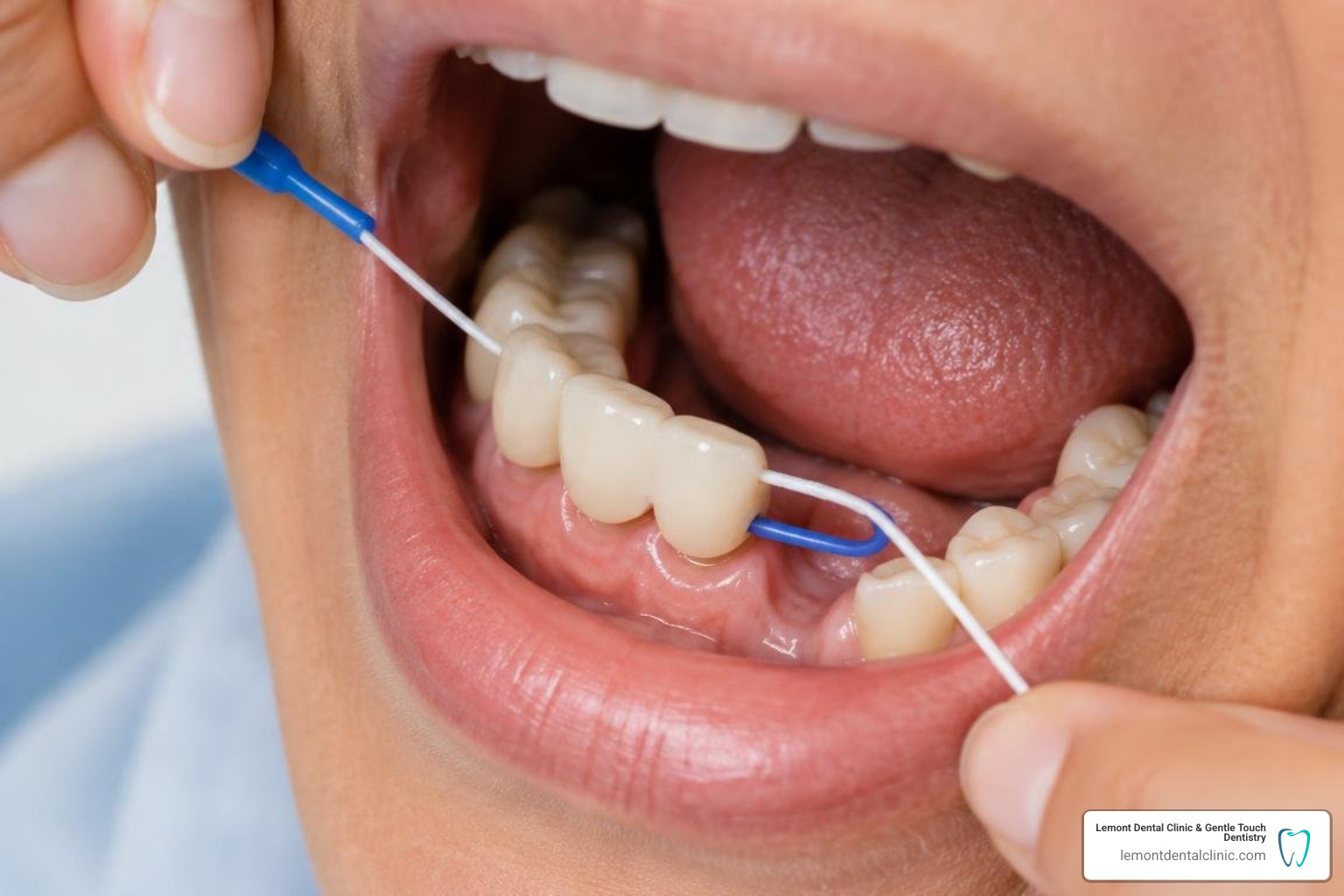
Because the replacement teeth (pontics) sit firmly above your gums, you cannot pass ordinary dental floss straight down between them. Food particles and bacterial plaque can gather underneath, raising the risk of decay on the supporting natural teeth.
To keep your restoration clean and healthy:
Use Floss Threaders or Super Floss: Thread a stiff-ended floss under the artificial teeth at least once a day to sweep away trapped debris.
Incorporate a Water Flosser: A water irrigator easily washes away food particles from tight spots beneath the pontics.
Brush with Non-Abrasive Fluoride Toothpaste: Clean around the margins where the crowns meet the gumline twice daily using a soft-bristled toothbrush.
Visit Us for Regular Cleanings: Routine professional cleanings and examinations ensure the bridge margins stay sealed and your gums remain pink and healthy.
Cost Factors, Insurance, and Long-Term Value
The investment required for a multi-unit restoration depends on the materials used, your location, the health of your supporting teeth, and whether you choose natural abutments or surgical implants.
On average, a traditional four-unit tooth-supported bridge ranges between $2,000 and $4,800. If your restoration is placed in the aesthetic smile zone and requires premium layered zirconia or all-ceramic materials, total costs typically range from $2,800 to $4,800 before insurance benefits.
Dental insurance plans usually classify bridges under major restorative care, covering up to 50% of the cost after your deductible, subject to annual maximums (frequently between $1,000 and $2,000). For a detailed per-unit breakdown, see this dental bridge cost breakdown by units guide, or read the complete guide to tooth bridge costs compare save to plan your care effectively.
Comparing Bridges, Single Implants, and Dentures
To choose the best treatment for your lifestyle and budget, it helps to compare fixed bridges against other common tooth replacement options:
Four-Unit Traditional Bridge: Non-surgical and completed in about two weeks. It restores natural chewing power without removable plastic, but requires altering adjacent healthy teeth.
Two Dental Implants with a Four-Unit Bridge: Requires minor surgery and three to six months of healing, but leaves neighboring teeth untouched, preserves jawbone density, and offers outstanding long-term durability.
Removable Partial Denture: The lowest initial cost, but it relies on metal or acrylic clasps that hook onto existing teeth. Removable appliances offer less chewing stability, can feel bulky, and need frequent adjustments over time.
If you are weighing surgical versus non-surgical solutions, comparing a dental bridge vs implant will help you determine the most dependable choice for your smile.
Frequently Asked Questions About Dental Bridges
How long does recovery take after getting a bridge?
Recovery after placing a traditional bridge is fast and straightforward. Most patients adjust within one to two weeks. It is normal to experience mild gum tenderness or minor temperature sensitivity for a few days following your preparation and cementation visits. If your bite feels slightly high or uneven when chewing, a quick, painless visit to our office allows us to polish the restoration for a balanced fit.
Can a four-unit bridge be whitened if it discolors?
No. Dental ceramic, zirconia, and porcelain restorations are completely resistant to chemical bleaching agents. Whitening gels only lift stains from natural tooth enamel. If you are considering brightening your smile, we recommend whitening your natural teeth prior to bridge fabrication so we can match the new ceramic restoration to your preferred shade.
Is placing a multi-unit bridge painful?
The preparation and placement procedures are not painful because we thoroughly numb the treatment area with local anesthesia. After the numbness wears off, you may experience mild soreness in your gums or mild sensitivity in the reshaped teeth. These symptoms are easily managed with over-the-counter pain relievers and typically resolve within a couple of days.
Conclusion
Missing multiple teeth can compromise your chewing ability, alter your speech, and cause surrounding teeth to shift out of alignment. A four-unit bridge restores strength, balance, and aesthetic appeal to your smile while protecting your bite for years to come.
At Lemont Dental Clinic & Gentle Touch Dentistry, we serve patients throughout Lemont, Palos Hills, and surrounding communities including Hickory Hills, Oak Lawn, and Orland Park. Our experienced team uses advanced diagnostic technology to provide comfortable, long-lasting restorative care tailored to your goals. Whether you are replacing multiple teeth or comparing the cost of 3 tooth bridge treatments, we are here to help you smile with confidence. Contact our friendly office today to schedule your comprehensive consultation!