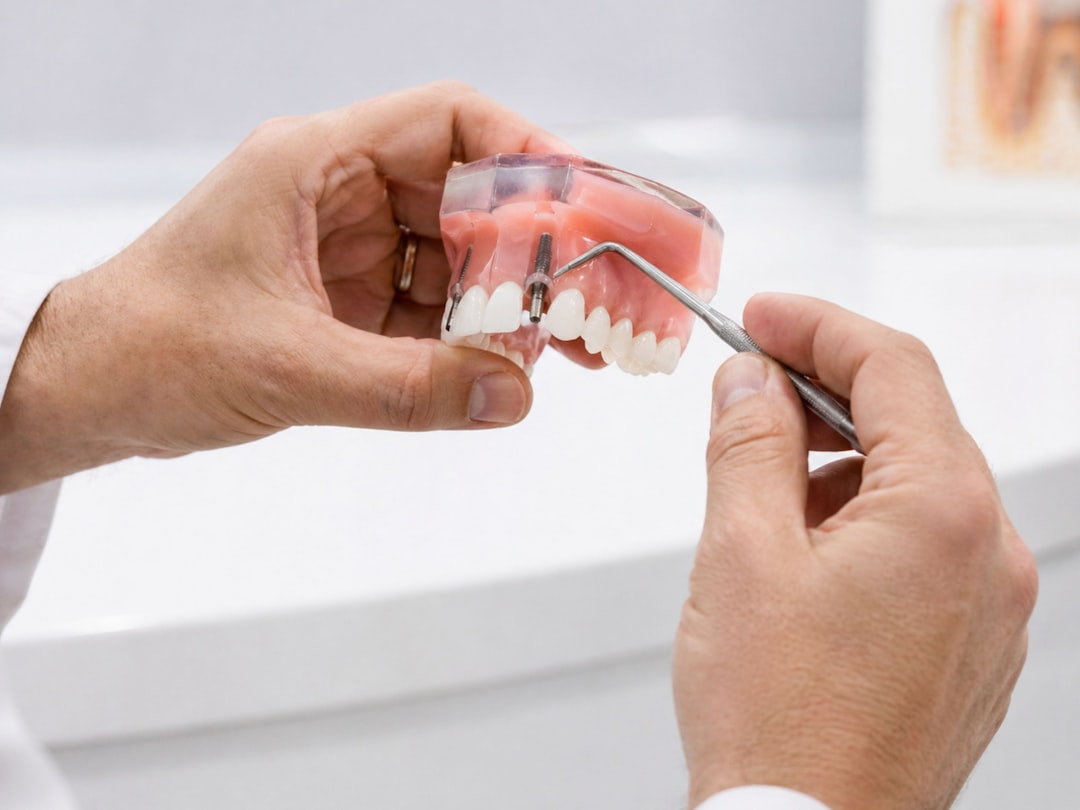
Dental implants false teeth are replacement teeth supported by small posts placed in the jawbone. Unlike traditional dentures that rest on the gums, implants act more like tooth roots and can hold a crown, bridge, or full denture in place.
Option
How it stays in place
Can it be removed?
Key difference
Traditional dentures
Rests on gums, may use adhesive
Yes
Can shift while eating or speaking
Implant-supported overdenture
Snaps onto implant posts
Yes, for cleaning
More stable than standard dentures
Fixed implant teeth
Attached to implants by a dentist
No, except by a dentist
Designed to stay in place full-time
Dental implants can replace one missing tooth, several teeth, or an entire upper or lower arch. The implant post joins with the jawbone during healing, creating a firm base for the visible false tooth or denture.
The best option depends on how many teeth are missing, gum health, jawbone volume, medical history, and whether you want teeth that are removable or fixed. This guide explains the differences, treatment timeline, care needs, benefits, and important risks to consider.
Understanding Dental Implants False Teeth Options and Structural Differences
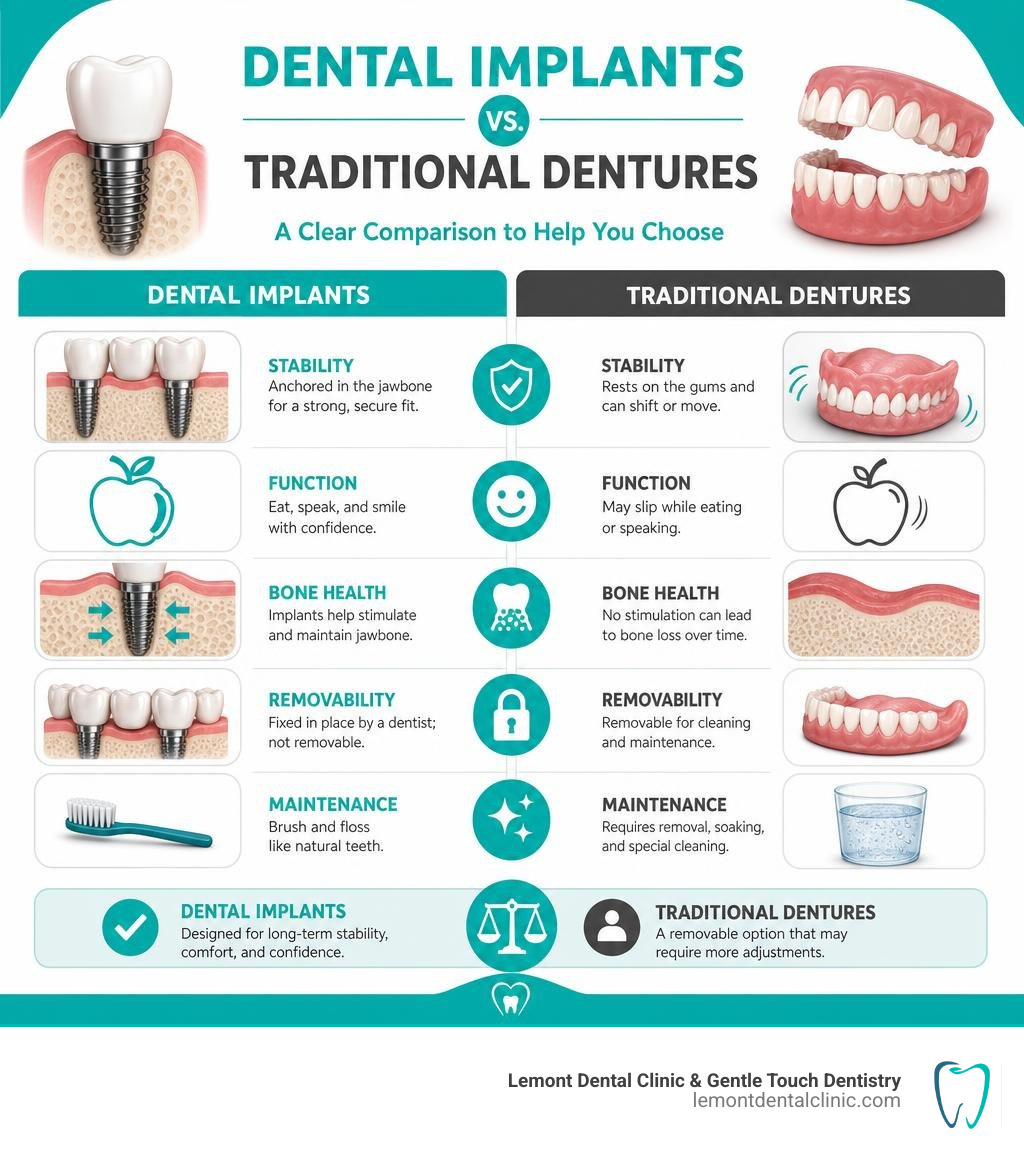
When exploring options for replacing missing teeth, it helps to understand how different prosthetics interact with your mouth. Traditional false teeth—commonly known as conventional full or partial dentures—rest directly on top of the gum tissue and underlying ridge bone. While they restore basic aesthetics, they do not replace the biological root structures beneath the surface.
Without root stimulation, natural jawbone resorption begins almost immediately after a tooth is lost. Over time, this natural bone loss causes conventional dentures to slip, click, or feel loose, often requiring frequent relining, messy adhesives, or complete replacements every seven years or so. To learn more about standard alternatives, check out our guide on Fake Teeth 101: Understanding the Different Types Available.
In contrast, dental implants false teeth systems use tiny, biocompatible posts—usually crafted from medical-grade titanium or zirconium oxide—that are surgically inserted into the jawbone. These posts act as artificial tooth roots. Once placed, they undergo a biological bonding process with surrounding bone tissue, offering structural stability that mimics natural teeth.
Whether you need a single tooth replacement, a bridge for several missing teeth, or a full arch restoration, implants provide a durable foundation. According to clinical data detailed in the Overview of Dental Implants, implant posts consist of three key components:
The Implant Body (Post): The threaded screw placed directly inside the jawbone.
The Abutment: A small connector piece attached to the post that extends just above the gum line.
The Restoration: The visible false tooth (a crown, bridge, or overdenture) that secures onto the abutment.
Feature
Conventional Dentures
Dental Implants False Teeth
Support System
Rest on gum tissue and bony ridges
Anchored directly into jawbone posts
Jawbone Health
Allows progressive bone resorption
Preserves jawbone structure and density
Bite Force & Chewing
Restores 20%–30% of normal chewing power
Restores up to 80%–90% of natural bite force
Slippage & Adhesives
May slip; frequently requires messy glues
Anchored firmly; zero slipping or glues needed
Average Lifespan
Denture base lasts roughly 7 years
Implant post lasts a lifetime; crowns last ~15 years
Comparing Fixed vs Removable Dental Implants False Teeth
Implant-based tooth replacement generally falls into two distinct categories: removable overdentures and permanently fixed hybrid restorations. Choosing between them comes down to your lifestyle, comfort preferences, and oral anatomy.
Removable Implant-Supported Overdentures: Often referred to as snap-on dentures, these appliances snap securely onto two to six implant posts via specialized locator attachments. They stay firmly anchored throughout the day so you can speak, laugh, and eat without fear of slippage. However, you can easily unsnap them at night for thorough daily cleaning and oral maintenance. To dive deeper into this design, read our comprehensive Types of Denture Implants Guide and our Snap-On Dental Implants Complete Guide.
Fixed Implant Restorations: Also known as hybrid bridges or full-arch fixed prostheses (such as All-on-4® or All-on-6 systems), these false teeth are permanently screwed onto four or more implants. They do not come out at all, except when removed by a dentist during routine professional cleanings. Fixed options offer superior stability and feel closest to a full set of original teeth.
Benefits of Implants Over Conventional Prosthetics
Upgrading from traditional gum-resting prosthetics to dental implants false teeth offers major health and functional advantages:
Jawbone Preservation: Dental implants mimic natural tooth roots by transmitting chewing forces down into the jaw bone. This stimulation stops bone shrinkage, helping you maintain your natural facial contours and preventing the prematurely aged, “sunken” appearance caused by tooth loss.
Superior Chewing Efficiency: Traditional dentures make eating tough or crunchy foods like apples, nuts, and steaks difficult. Implant-anchored teeth stay fixed in place, allowing you to enjoy a complete, nutritious diet without pain or embarrassment.
Enhanced Speech and Confidence: Ill-fitting false teeth can cause slurring or clicking noises when speaking. Implants eliminate movement entirely, allowing clear pronunciation and boosting self-esteem.
Exceptional Longevity: Peer-reviewed medical literature shows that modern dental implants boast a 10-year success rate exceeding 97%. While standard crowns or bridges last around 15 years and conventional dentures need replacing every 7 years, the implant post itself can easily last a lifetime with consistent oral care. You can learn more about these health benefits in the Harvard Health Guide to Dental Implants.
Step-by-Step Surgical Process and Recovery Timeline
Getting dental implants false teeth involves a carefully staged treatment path designed to ensure maximum precision and long-term success. At Lemont Dental Clinic & Gentle Touch Dentistry, we prioritize patient comfort and gentle, precise care throughout every step.
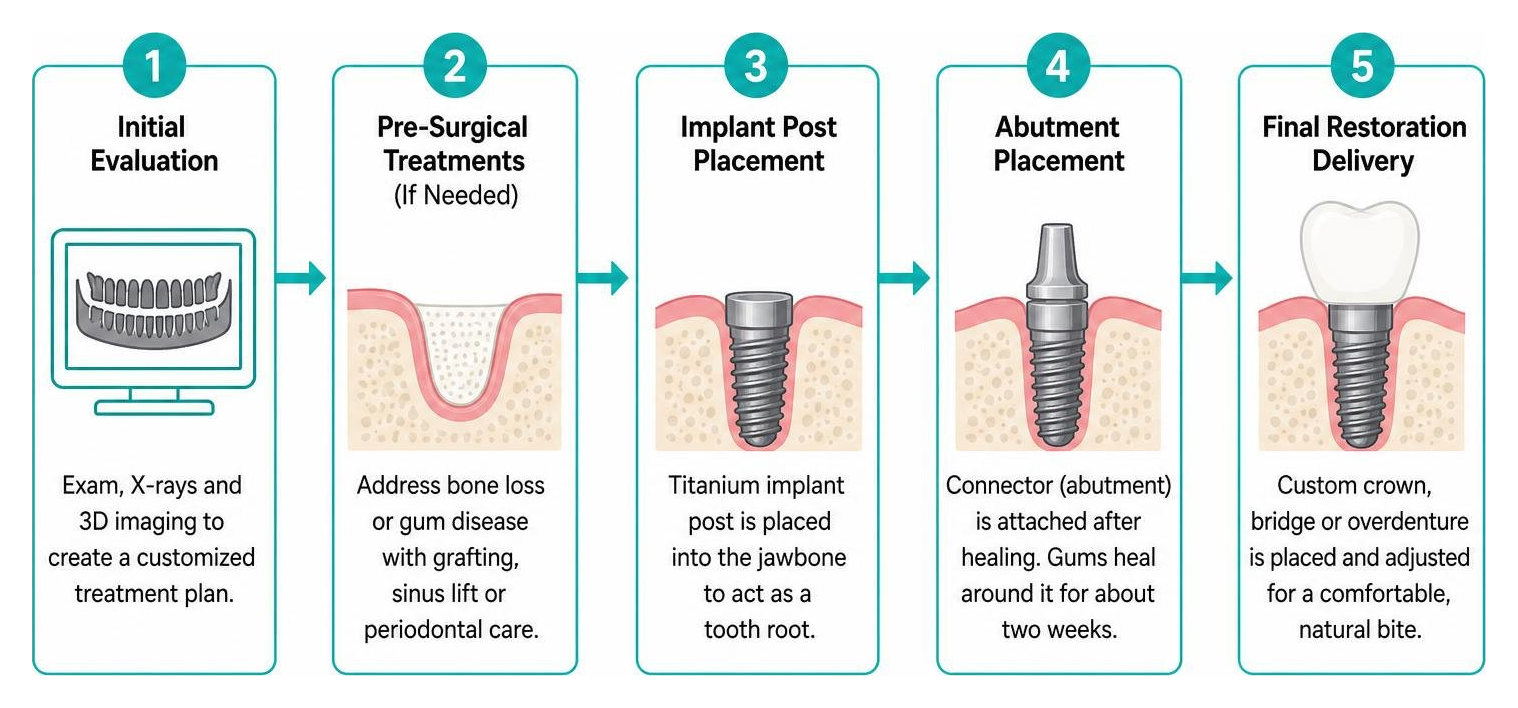
Initial Comprehensive Evaluation: The journey begins with a detailed clinical exam, digital X-rays, and 3D Cone Beam CT (CBCT) imaging. We evaluate jawbone density, nerve pathways, and sinus cavity locations to create a customized surgical plan.
Pre-Surgical Treatments (If Needed): If severe jawbone resorption or active gum disease is present, preliminary treatments such as bone grafting, sinus lifts, or periodontal therapies are completed first.
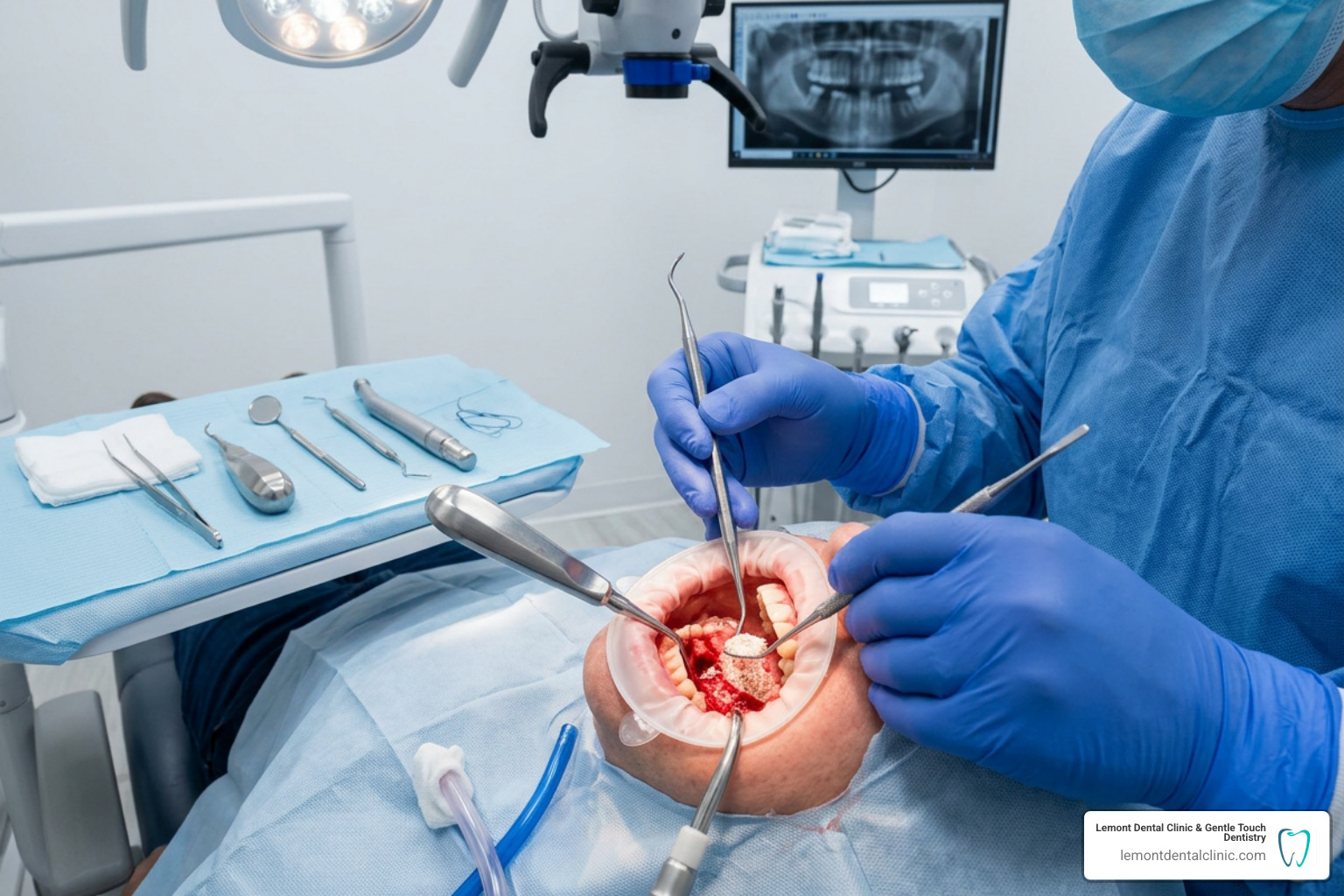
Implant Post Placement: Under local anesthesia or comfortable dental sedation, a minor incision is made in the gum tissue. A precise osteotomy (pilot hole) is drilled into the bone tissue, ensuring bone temperature never exceeds critical limits, and the titanium implant post is placed.
Abutment Placement: Once the implant has integrated into the bone tissue, a brief secondary procedure attaches the connector piece (abutment). Gum tissue is given approximately two weeks to heal around this collar.
Final Restoration Delivery: Custom impressions or digital scans are taken to craft your final crown, bridge, or overdenture. Once secured, your new teeth are tuned for perfect bite alignment.
The Osseointegration Phase and Healing Expectations
The cornerstone of dental implant success is a physiological process called osseointegration. Coined from the Greek and Latin words for “bone” and “make whole,” osseointegration describes the direct biological bonding where live jawbone cells grow directly onto and fuse with the microscopic pores of the titanium implant post.
This healing phase typically takes between three and six months (and occasionally up to nine months depending on individual bone quality and grafting work). During this transition period, patients wear a light temporary restoration or custom healing denture so they never have to leave our office without functional teeth. As documented in the NCBI Clinical Reference on Dental Implants, avoiding excessive force on the implants during this phase is essential for establishing an unbreakable structural anchor.
Initial soft tissue recovery happens quickly. Most patients feel back to normal within 3 to 7 days post-surgery and can return to work or routine activities within 2 to 3 days.
Caring for Dental Implants False Teeth to Maximize Lifespan
Even though titanium posts and artificial restorations cannot develop cavities, diligent oral hygiene remains critical. The live gum tissues and bone supporting the implant remain susceptible to bacterial infections like peri-implantitis (an inflammatory condition similar to gum disease).
To ensure your investment lasts decades, follow these daily care practices:
Brush Twice Daily: Use a soft-bristled toothbrush along with nonabrasive toothpaste to clear away plaque without scratching delicate prosthetic surfaces.
Clean Hard-to-Reach Spaces: Utilize specialized interdental brushes, soft floss threaders, or water flosser devices to gently clean around abutment posts and beneath fixed bridges.
Care for Removable Overdentures: If you have snap-on false teeth, remove them every night, brush them thoroughly with a soft denture brush, and soak them in an approved cleansing solution overnight.
Keep Up Regular Checkups: Visit our team every six months for routine clinical examinations and professional hygiene cleanings. We inspect the stability of the implants, check torque settings, and verify healthy gum attachment.
For more tips on choosing and maintaining appliances, check out our guide on the Types of Fake Teeth.
Candidacy, Risks, and Special Health Considerations
Most adults in good general health who are missing one or more teeth qualify as great candidates for implants. However, evaluating structural and medical factors ensures predictable results.
Ideal candidate criteria include:
Healthy gum tissue free of active periodontal infection.
Adequate jawbone density and height to support threaded implant posts.
Skeletal maturity (generally age 18 or older).
Commitment to maintaining high standards of personal oral hygiene.
Potential surgical risks exist with any minor procedure, though serious complications are rare. Possible risks include localized infection at the surgical site, minor damage to surrounding teeth, sinus cavity perforation during upper jaw procedures, or nerve irritation leading to temporary tingling in the lip or chin.
Impact of Bone Loss, Smoking, and Systemic Conditions
Having compromised health or jawbone loss does not automatically disqualify you from getting dental implants false teeth, but it does require tailored planning:
Jawbone Loss: If teeth have been missing for years, jawbone volume often diminishes. In these cases, we perform targeted bone grafting or sinus augmentation procedures. Using specialized bone graft materials, we build a solid foundation before or during implant placement.
Smoking and Tobacco Use: Heavy smoking and nicotine use restrict blood flow to healing tissues, significantly delaying osseointegration and increasing the risk of implant failure. We strongly encourage stopping tobacco use during the surgical and healing phases.
Systemic Conditions (Diabetes, Autoimmune Diseases): Uncontrolled diabetes can hinder healing and elevate infection risks. However, well-managed diabetes presents success rates comparable to non-diabetic patients. Similarly, recent research indicates that individuals with controlled autoimmune conditions can safely undergo implant therapy.
Osteoporosis & Bisphosphonate Therapy: Patients taking oral or intravenous bisphosphonates for osteoporosis must inform their doctor during consultation, as these medications can affect bone remodeling dynamics.
Frequently Asked Questions About Tooth Replacement
How long do dental implants and overdentures last?
With basic brushing, flossing, and professional dental checkups, the titanium implant posts integrated into your jawbone are designed to last a lifetime. The custom overdentures or crowns attached to those posts experience normal daily wear and tear; prosthetic crowns and fixed bridges typically last around 15 years, while removable overdentures generally require simple snap attachment updates or full replacement every 15 to 20 years.
Is dental implant surgery painful during recovery?
No, the procedure itself is comfortable because local anesthetics completely numb the targeted area, and gentle dental sedation options are available. Following surgery, most patients experience only mild sore gums or slight facial swelling that peaks within 48 to 72 hours. This post-operative discomfort is easily managed with over-the-counter or mild prescribed pain relievers, and most patients comfortably return to work within two to three days. (Note: If you experience a fever of 101°F / 38.2°C or higher, contact your dentist right away).
How much time does the full dental implant process take from start to finish?
The total timeline varies based on your individual healing rate and surgical plan. Simple cases without bone grafting typically take three to six months from initial implant post placement to final tooth installation. If preliminary bone grafting or sinus augmentation is required, the complete treatment window can span between six and nine months.
Conclusion
Replacing missing teeth is one of the best investments you can make for your health, confidence, and quality of life. While traditional prosthetics offer a basic temporary fix, dental implants false teeth provide a permanent, comfortable, and natural-looking solution that protects your long-term jawbone structure and restores your full chewing power.
At Lemont Dental Clinic & Gentle Touch Dentistry, our experienced team provides high-quality, comprehensive restorative care using advanced technology across our locations in Lemont and Palos Hills, IL, as well as nearby communities including Chicago Ridge, Worth, Palos Park, Hickory Hills, Oak Lawn, Orland Park, Palos Heights, Bolingbrook, Romeoville, Palisades, and Lockport Heights.
Whether you want to stabilize slipping full dentures with removable snap-on overdentures or replace lost teeth with fixed implant bridges, we are here to help you enjoy a healthy, functional smile. Contact us today to schedule your personalized consultation and explore our complete range of dental implant services!