Why Dental Plaque Removal Matters More Than You Think
Dental plaque removal is one of the most important things you can do to protect your teeth and gums. But most people don’t fully understand what plaque is, how fast it can cause damage, or what it takes to truly get rid of it.
Here’s a quick overview of how plaque is removed:
Method
Who Does It
What It Removes
Brushing (2 min, twice daily)
You, at home
Fresh plaque on tooth surfaces
Flossing daily
You, at home
Plaque between teeth and at the gum line
Water flosser or electric toothbrush
You, at home
Additional plaque in hard-to-reach areas
Professional scaling
Dentist or hygienist
Hardened plaque (tartar) and stubborn buildup
Root planing
Dentist or hygienist
Deep tartar below the gum line
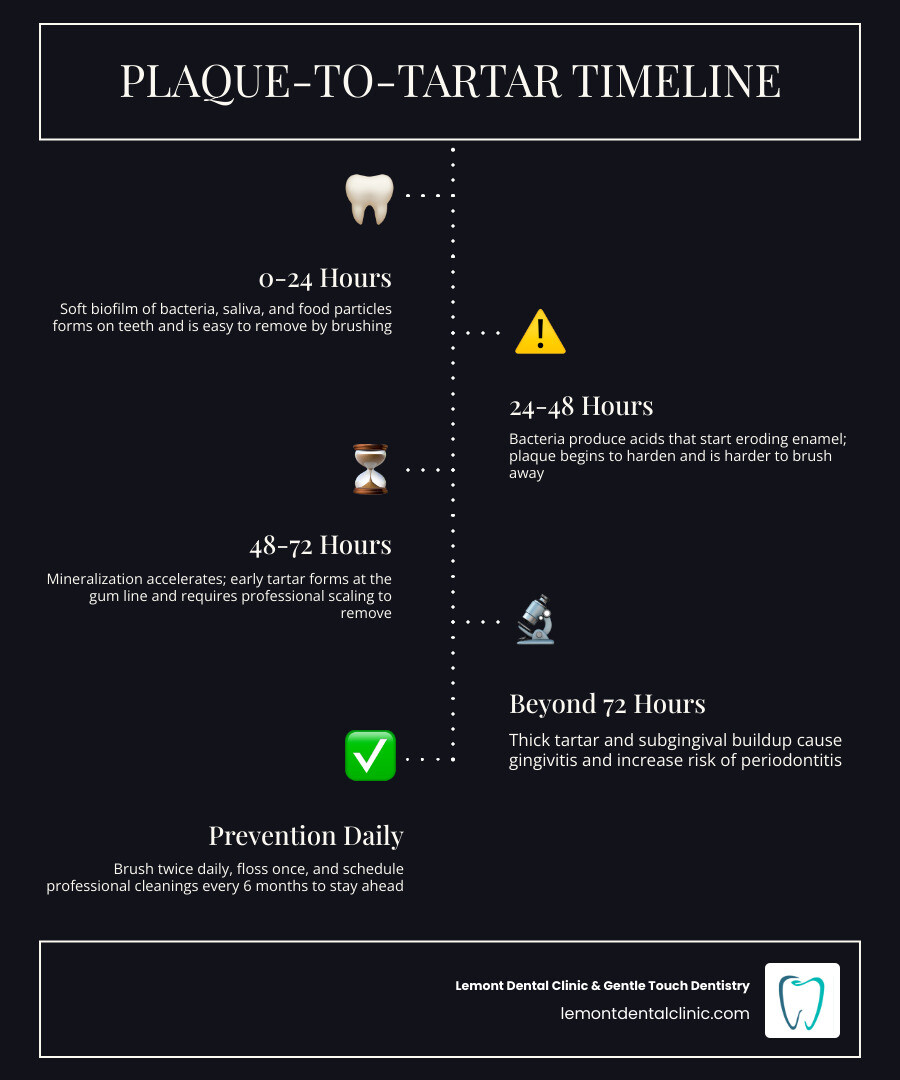
Plaque is a sticky film of bacteria that forms on your teeth every single day. It starts soft and is easy to brush away — but if it’s left alone for even 24 hours, it begins to harden into tartar. And once that happens, no amount of brushing at home will remove it.
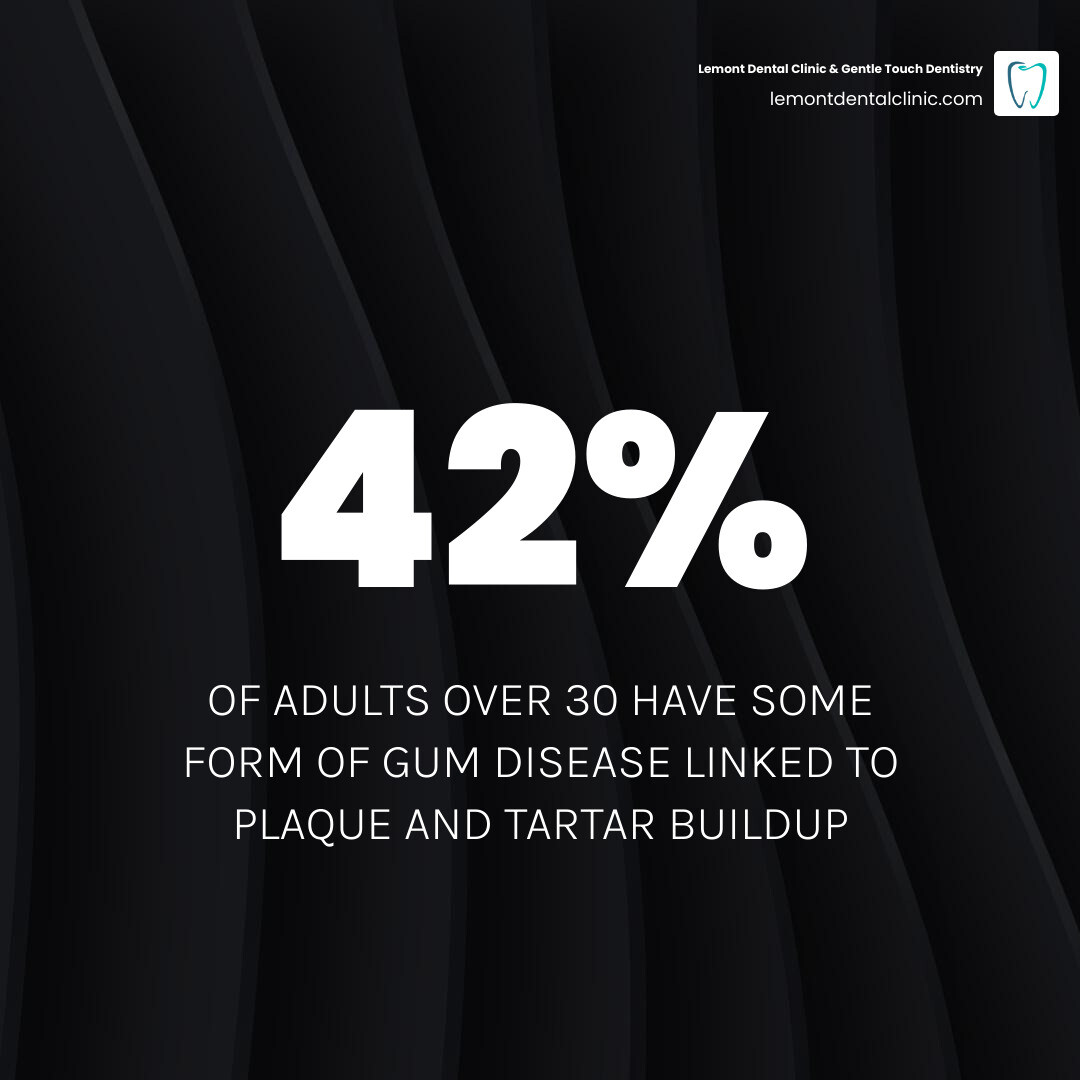
The numbers are sobering. More than 42% of adults over 30 have some level of gum disease — most of it driven by plaque and tartar that wasn’t caught in time.
The good news? With the right daily habits and regular professional cleanings, plaque is very manageable. This guide walks you through everything you need to know.
To win the war on your teeth, we first need to understand the enemy. In the dental world, we often refer to plaque as a “biofilm.” This sounds like something out of a sci-fi movie, but it’s actually a very organized community of bacteria that sets up camp on your enamel.
Every time you eat or drink, especially things containing sugars or starches (think bread, pasta, fruit, or soda), the bacteria in your mouth have a feast. As they eat, they produce acids. These acids are the real villains; they attack your tooth enamel, leading to cavities and irritation.
Plaque is technically colorless, but because it is so sticky, it acts like a magnet for food particles and stains. If you’ve ever run your tongue over your teeth and felt like they were wearing “tiny sweaters” or felt a bit “fuzzy,” you’ve felt plaque in action. According to the Cleveland Clinic, this film is constantly forming. It’s a mix of bacteria, saliva, and leftover food particles that creates a perfect storm for dental decay if left unchecked.
At Lemont Dental Clinic & Gentle Touch Dentistry, we see patients from all over Palos Hills and Lemont who are surprised by how quickly this biofilm can cause damage. Without consistent dental plaque removal, those acids can eventually eat through the enamel and reach the sensitive dentin underneath, leading to painful infections.
Plaque vs. Tartar: Understanding the Critical Difference
One of the most common questions we hear in our Illinois offices is: “What’s the difference between plaque and tartar?” While they are related, they require very different strategies for removal.
Think of plaque as the “soft” stage and tartar (also known as calculus) as the “petrified” stage. If plaque is not removed within a 24-to-72-hour window, it reacts with the minerals in your saliva and undergoes a process called mineralization. It literally turns into a hard, crusty substance that is bonded to your teeth.
Feature
Dental Plaque
Tartar (Calculus)
Texture
Soft, sticky, and “fuzzy”
Hard, crusty, and porous
Color
Colorless or pale yellow
Yellow, tan, or brown
Location
On tooth surfaces and gum line
Above and below the gum line
Removal
Brushing and flossing at home
Professional dental tools only
Visibility
Hard to see without staining agents
Clearly visible, often looks like stains
As noted by Oral-B, tartar is much more than an aesthetic issue. Because it is porous, it provides even more surface area for new plaque to attach to, creating a vicious cycle of buildup. This buildup can lead to receding gums and bad breath (halitosis) that won’t go away with simple mouthwash. Once it reaches the tartar stage, you cannot simply brush it off—it requires a professional touch.
Professional Dental Plaque Removal: What to Expect
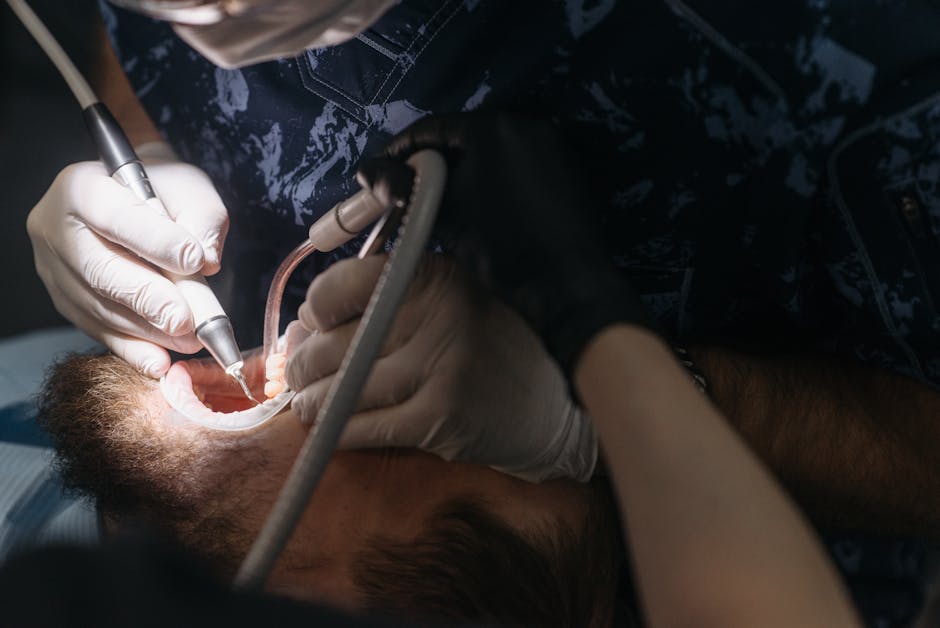
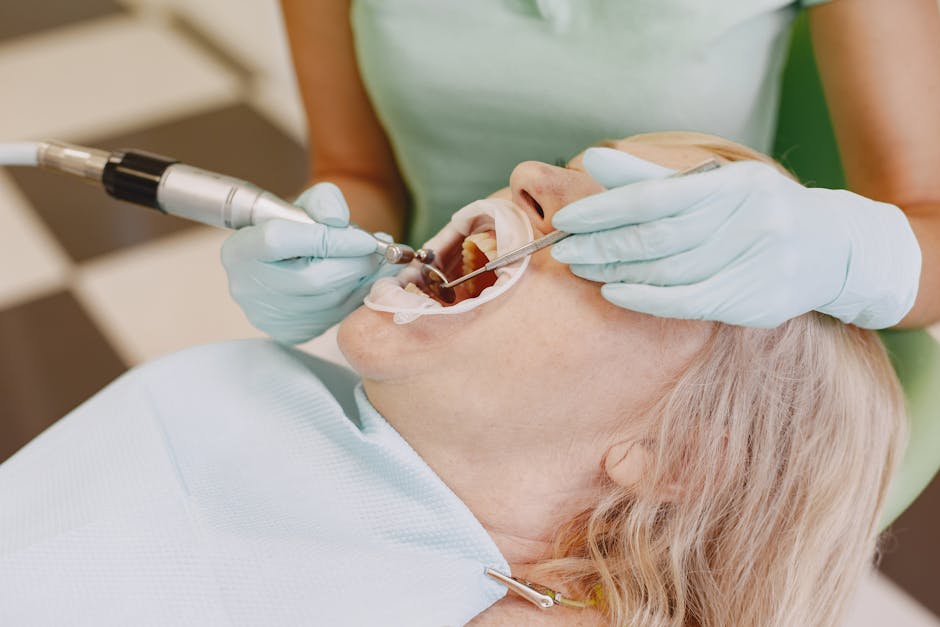
When you visit us for a cleaning, our goal is to reach the places your toothbrush simply can’t. Professional dental plaque removal is a multi-step process designed to reset your oral health.
1. The Examination
Before we start cleaning, we perform a thorough physical exam. We check for signs of gingivitis (inflamed gums) or other potential concerns. We might use a small mirror to check around your teeth and gums for any stubborn tartar deposits.
2. Scaling
This is the part where we remove the tartar. We use specialized instruments called scalers to scrape away the hardened calculus. For many patients, we utilize ultrasonic teeth cleaning. These tools use high-frequency vibrations and a cooling mist of water to break up large chunks of tartar quickly and comfortably. It’s significantly more efficient than traditional hand scaling alone.
3. Root Planing
If we find that plaque and tartar have made their way under the gum line, we may perform root planing. This involves smoothing out the roots of your teeth. Why? Because bacteria love to hide in the rough spots of your tooth roots. By smoothing them out, we help the gums reattach to the teeth and make it much harder for plaque to colonize those areas in the future. This is a key part of professional dental cleaning for those with early signs of gum disease.
4. Polishing and Fluoride
Once the “heavy lifting” is done, we polish your teeth using a high-powered electric brush and a gritty toothpaste. This removes any leftover surface stains and plaque. We often finish with a fluoride treatment—a gel or foam that acts as a shield for your enamel, helping to remineralize weak spots and prevent future decay.
Strategies for Effective Dental Plaque Removal at Home
While professional visits are essential, the “war” is mostly fought in your bathroom every morning and night. Effective dental plaque removal at home requires the right technique and the right tools.
The 45-Degree Rule: Don’t just scrub back and forth. Hold your brush at a 45-degree angle toward the gum line. Use small, circular motions. This helps the bristles get under the edge of the gum, where plaque loves to hide.
The Two-Minute Minimum: Most people brush for less than 45 seconds. We recommend a full two minutes—30 seconds for each quadrant of your mouth.
Don’t Forget the Tongue: Your tongue is a carpet for bacteria. Use your brush or a dedicated tongue scraper to remove the biofilm that causes bad breath.
The C-Shape Floss: When flossing, don’t just “pop” the floss in and out. According to the ADA, you should curve the floss into a “C” shape around the base of each tooth. Gently slide it under the gum line to wipe away hidden plaque.
Advanced Tools for Dental Plaque Removal at Home
If you want to level up your defense, consider these technologies:
Electric Toothbrushes: Research shows that electric toothbrushes can remove up to 100% more plaque than a manual brush. Specifically, oscillating-rotating heads are highly effective. Some studies even show that the Oral-B PRO 5000 removes 22% more plaque than the Sonicare Diamond Clean, though both are excellent choices compared to manual brushing.
Water Flossers: If you find string floss difficult, a water flosser is a great alternative. They are reported to be 29% more effective than string floss when used alongside a manual toothbrush, as the pressurized water can flush out debris from deep pockets.
Interdental Brushes: These tiny brushes are fantastic for people with gaps between their teeth or those wearing braces. They reach the “nooks and crannies” that standard brushes miss.
Antimicrobial Mouthwash: While not a replacement for brushing, a therapeutic mouthwash can help kill the bacteria that form plaque in the first place.
The Health Risks of Persistent Plaque and Tartar Buildup
Ignoring dental plaque removal isn’t just a matter of having a less-than-perfect smile. It can lead to serious health complications.
When plaque sits on your gums, it causes inflammation. This is the first stage of gum disease, known as gingivitis. You might notice your gums are red, swollen, or bleed when you brush. If left untreated, it progresses to periodontitis. This is where the bone and fibers that hold your teeth in place are destroyed.
As we mentioned earlier, 42% of adults over 30 have some level of gum disease. But the risks go beyond your mouth. Scientific research has suggested a link between poor oral health and systemic issues:
Cardiovascular Disease: Bacteria from inflamed gums can enter the bloodstream, potentially contributing to arterial plaque and heart disease.
Diabetes Complications: Gum disease can make it harder for people with diabetes to control their blood sugar levels.
Respiratory Infections: Inhaling bacteria from infected teeth and gums can lead to lung infections like pneumonia.
Keeping up with your annual dental cleaning is a vital part of your overall wellness routine, not just a “tooth thing.”
Frequently Asked Questions About Plaque
Is professional dental plaque removal painful?
Generally, no. Most patients find a standard cleaning to be quite comfortable. However, if you have significant tartar buildup or inflamed gums, you might experience some sensitivity. If you’re nervous, check out our article: Does Teeth Cleaning Hurt?. We can use topical numbing gels to ensure you stay relaxed throughout the process.
Can I remove hardened tartar at home?
We strongly advise against this. You may see “DIY dental kits” or “tartar scrapers” sold online, but using these without professional training can lead to permanent enamel damage or gum lacerations. Once plaque has mineralized into tartar, it is bonded to the tooth. Only professional-grade scaling tools used by a trained hygienist can safely pop that tartar off without scratching your teeth.
How often should I schedule a professional cleaning?
For most of our patients in the Chicago Ridge and Palos Park areas, every six months is the “gold standard.” However, if you are at a higher risk for gum disease—due to smoking, genetics, or conditions like diabetes—we might recommend a visit every three to four months. Following the Canadian Dental Association guidelines, regular intervals are the only way to catch tartar before it causes bone loss.
Conclusion
The war on plaque is a daily battle, but it’s one you can certainly win. By combining a rigorous home routine—brushing at a 45-degree angle, flossing daily, and perhaps using an electric toothbrush—with professional intervention, you can keep your smile healthy for a lifetime.
At Lemont Dental Clinic & Gentle Touch Dentistry, we are proud to serve the communities of Lemont, Palos Hills, Worth, Hickory Hills, and the surrounding Illinois suburbs. We focus on providing high-quality, comprehensive care using the latest technology, like ultrasonic scalers, to make your dental plaque removal as effective and comfortable as possible.
Don’t wait for a toothache or bleeding gums to take action. Schedule your regular cleaning today and let us help you keep your smile squeaky clean!