Why Professional Dental Cleaning is Essential for Your Oral Health
Professional dental cleaning is a preventive dental procedure performed by a dentist or dental hygienist to remove plaque, tartar (calculus), and bacteria from your teeth and gums. Unlike regular brushing and flossing at home, these cleanings use specialized tools to reach areas you can’t access and eliminate hardened deposits that only professional instruments can remove.
Key Facts About Professional Dental Cleaning:
Frequency: The American Dental Association recommends cleanings every six months for most adults
Duration: Routine cleanings take 30-60 minutes
Purpose: Prevents cavities, gum disease, and helps detect oral health problems early
Health Link: Regular cleanings reduce risk of periodontal disease, which affects 47.2% of adults over 30
Many people approach dental cleanings with some apprehension—between the scraping sounds, strange tools, and occasional jaw discomfort, it’s understandable. But here’s the reality: most cleanings are simple and painless, and they’re one of the most effective ways to protect both your oral health and your overall well-being.
Plaque vs. Tartar: Why You Need Professional Help
Plaque is a sticky film of bacteria that forms on your teeth daily. Within just two days, this plaque can harden into tartar (also called calculus)—a cement-like substance that bonds firmly to your teeth and can only be removed with professional dental instruments. This is why brushing and flossing alone, while essential, aren’t enough to maintain optimal oral health.
The connection between your mouth and the rest of your body is stronger than you might think. Poor oral health has been linked to serious conditions including heart disease and diabetes. Regular professional cleanings don’t just keep your smile bright—they’re an investment in your overall health.
I’m Piotr Dederowski, and through years of experience at Lemont Dental Clinic & Gentle Touch Dentistry, I’ve seen how professional dental cleaning transforms not just smiles, but lives, by preventing serious dental issues before they start. Our team is dedicated to making every cleaning comfortable, thorough, and custom to your specific needs.
The Step-by-Step Professional Dental Cleaning Process
Visiting us for a professional dental cleaning is a crucial step in maintaining your oral health. While the exact sequence might vary slightly based on your individual needs, a standard prophylaxis cleaning typically involves a series of thorough, systematic steps performed by our skilled dental hygienists. This process, often referred to as oral prophylaxis, is designed to keep your teeth and gums in optimal condition.
Our dental hygienists play a vital role, not just in cleaning your teeth, but also in educating you about best oral hygiene practices and identifying any potential concerns early on. They are highly trained in using specialized tools and techniques to ensure a comprehensive clean. You can learn more about what to expect during a dental exam by visiting this helpful resource: Dental exam: What you can expect.
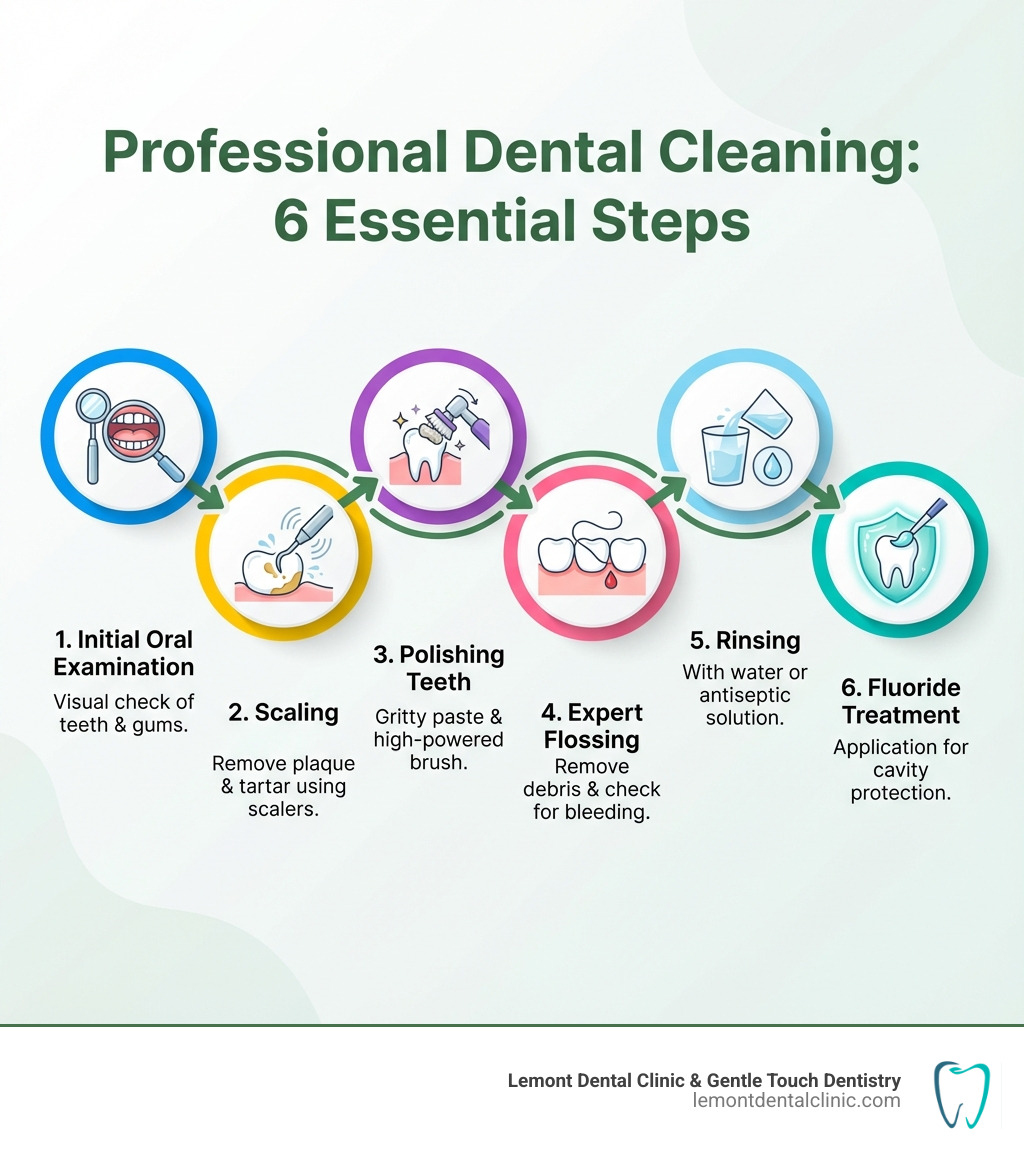
1. The Initial Examination
Every professional dental cleaning begins with a careful and comprehensive assessment of your oral health. Our hygienist will conduct a physical exam of your mouth, thoroughly checking for any visual signs of decay, gum inflammation, or other abnormalities. They’ll also assess the health of your gums, looking for any signs of gingivitis or periodontitis, which can manifest as redness, swelling, or bleeding.
We’ll also take a close look at any existing restorations you might have—fillings, crowns, or veneers—to ensure they are still in good condition and functioning properly. This initial check-up allows us to identify any issues that might need further attention from our dentists. For more details on what our check-ups entail, please visit our dedicated page: More info about check-ups.
2. Plaque and Tartar Removal (Scaling)
This is often the most recognizable part of a professional dental cleaning. Using specialized instruments, our hygienists carefully remove plaque and tartar (calculus) from your teeth. Plaque is a soft, sticky film of bacteria, but once it hardens into tartar, it becomes a firm, calcified deposit that cannot be removed by brushing or flossing alone.
We use both traditional hand scalers and advanced ultrasonic scalers for this process. Hand scalers are precise instruments used to scrape away deposits from tooth surfaces, particularly in hard-to-reach areas. Ultrasonic scalers, on the other hand, use high-frequency vibrations and a fine mist of water to effectively break down and wash away stubborn plaque and tartar, both above and below the gumline. This thorough removal is crucial because these deposits harbor bacteria that cause cavities and gum disease.
3. Polishing the Teeth
Once all the plaque and tartar have been removed, your teeth are polished to a smooth, shiny finish. Our hygienist will use a high-powered electric brush with a soft rubber cup and a mildly abrasive, gritty toothpaste, also known as prophylaxis paste. This special paste is designed to gently scrub away any remaining surface stains and biofilm, leaving your teeth feeling incredibly clean.
Polishing not only makes your teeth look brighter and feel smoother, but it also helps to reduce plaque buildup in the future, as bacteria find it harder to adhere to a smooth surface. Rest assured, this process is safe for your enamel when performed by a professional.
4. Expert Flossing and Rinsing
After polishing, our hygienist will expertly floss between your teeth. This step is more than just a quick run-through; it’s a critical part of the cleaning process. Professional flossing helps to remove any residual plaque or polishing paste from between your teeth and under the gumline, areas that even the electric brush might miss. It also allows the hygienist to check for any spots where your gums might bleed, which can be an indicator of gum inflammation.
Finally, you’ll be asked to rinse your mouth thoroughly. We often provide a water or antiseptic rinse to wash away any debris and leave your mouth feeling fresh and clean.
5. Fluoride Treatment
The final step in many professional dental cleaning appointments is a fluoride treatment. Fluoride is a natural mineral that plays a significant role in strengthening tooth enamel and making your teeth more resistant to acid attacks from bacteria, thus helping to prevent cavities.
We can apply fluoride in several forms, such as a foamy gel placed in a tray that you hold in your mouth for about a minute, or a varnish that is painted directly onto your teeth. Fluoride varnish hardens on contact with saliva, allowing you to eat and drink almost immediately afterward. For other types of fluoride treatments, we may recommend waiting at least 30 minutes before eating or drinking to allow the fluoride to fully absorb and work its magic.
Regular vs. Deep Cleaning: What’s the Difference?
When we talk about professional dental cleaning, it’s important to understand that not all cleanings are the same. There’s a significant difference between a “regular cleaning” (also known as prophylaxis) and a “deep cleaning” (clinically referred to as scaling and root planing). This distinction is crucial, as each type addresses different oral health conditions, particularly concerning periodontal disease.
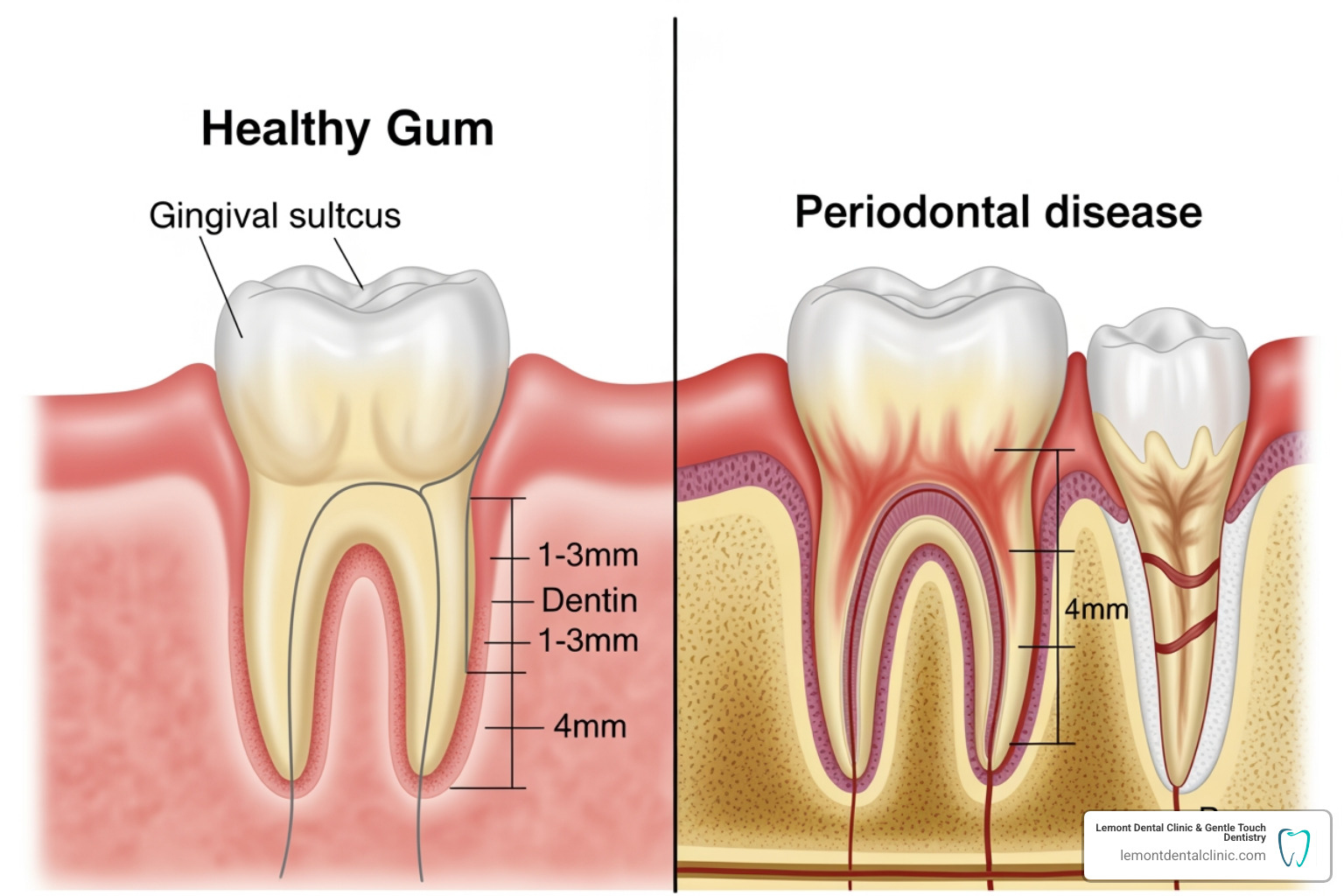
Periodontal disease, an umbrella term for gum disease, ranges from gingivitis (a mild, reversible form) to periodontitis (a more severe, chronic inflammatory condition). Gingivitis involves inflammation of the gums, often caused by plaque buildup. If left untreated, gingivitis can progress to periodontitis, where the inflammation spreads, causing the gums to pull away from the teeth, forming “pockets,” and potentially leading to bone loss around the teeth. For more information on regular cleanings, visit our page: More info about a Regular Cleaning.
Signs You Might Need a Deep Cleaning
A deep cleaning is not a preventative measure for healthy gums; it’s a therapeutic treatment prescribed when signs of active periodontal disease are present. Approximately 47.2% of adults aged 30 and older in the United States have some form of periodontal disease, and this number rises to over 70% in individuals over 65, highlighting the prevalence of this condition.
Here are some key signs that might indicate you need a deep cleaning:
Bleeding gums: Frequent bleeding during brushing or flossing is a common sign of gum inflammation.
Persistent bad breath (halitosis): Chronic bad breath that doesn’t resolve with regular oral hygiene can be a symptom of bacterial buildup below the gumline.
Receding gums: Gums that appear to be pulling away from your teeth, making your teeth look longer.
Swollen or tender gums: Gums that are red, swollen, or painful to the touch.
Periodontal pockets (≥4mm): When your dentist or hygienist measures the space between your teeth and gums, depths of 4 millimeters or more indicate the presence of pockets where bacteria can thrive.
Loose teeth: In more advanced stages of periodontitis, the supporting bone can erode, leading to wobbly teeth.
If you experience any of these symptoms, schedule an appointment with us so we can assess your oral health and recommend the appropriate treatment.
The Deep Cleaning (Scaling and Root Planing) Process
A deep cleaning, or scaling and root planing, is fundamentally different from a regular cleaning. While a regular cleaning is preventive, a deep cleaning is therapeutic, designed to treat existing gum disease.
During this procedure, we focus on removing plaque, tartar, and bacterial toxins from below the gumline and smoothing the root surfaces of your teeth. This smoothing, called root planing, helps to remove rough spots where bacteria tend to accumulate and encourages your gums to reattach to the clean tooth surfaces.
To ensure your comfort, a deep cleaning is typically performed under local anesthesia, which numbs the area being treated. This makes the procedure pain-free during the appointment. Due to its thorough nature, a full-mouth deep cleaning is often divided into at least two appointments, with each session lasting 60 to 90 minutes, allowing us to treat one side of your mouth at a time. This approach ensures maximum effectiveness and patient comfort. For more detailed insights into deep cleaning, you can visit our dedicated page: More info about Deep Cleaning.
Comparing Regular Cleaning and Deep Cleaning
To further clarify the differences, here’s a table summarizing the key aspects of regular versus deep cleanings:
Feature
Regular Cleaning (Prophylaxis)
Deep Cleaning (Scaling and Root Planing)
Purpose
Preventive, maintains oral health
Therapeutic, treats active gum disease (gingivitis, periodontitis)
Target Area
Above the gumline, light plaque/tartar, surface stains
Above and below the gumline, deep pockets, root surfaces
Pain Level
Minimal discomfort, no anesthesia typically needed
Local anesthesia often used to ensure comfort; mild post-procedure soreness
Number of Visits
Typically one visit
Usually 2 or more appointments, focusing on different quadrants
Follow-up Care
Regular 6-month cleanings
Periodontal maintenance every 3-4 months after initial treatment
Maintaining your oral health through regular professional dental cleaning is one of the smartest investments you can make in your overall well-being. It’s not just about a sparkling smile; it’s about preventing potential health issues and saving money in the long run.
The benefits of these routine visits extend far beyond your mouth, reinforcing the strong link between oral health and systemic health. As our partners at Healthline explain, knowing what happens during your cleaning can ease anxiety and highlight its importance: What Happens During Your Professional Dental Cleaning.
Benefits of a Professional Dental Cleaning
Regular professional dental cleanings offer a multitude of advantages:
Cavity Prevention: By removing plaque and tartar, we eliminate the primary culprits behind tooth decay, significantly reducing your risk of cavities.
Gum Disease Prevention (Gingivitis): Cleanings remove the bacteria that cause gingivitis, preventing the inflammation and bleeding of the gums before it can escalate into more serious periodontal disease.
Early Detection of Oral Issues: During your cleaning, our team performs a thorough examination, which can lead to the early detection of potential problems like oral cancer, cavities, or gum disease, often before you even notice symptoms. Early detection typically means easier and less invasive treatment.
Reduces Bad Breath (Halitosis): Plaque and bacteria accumulation are major contributors to bad breath. A clean mouth is a fresh mouth!
Protects Overall Health: Your oral health is intimately connected to your general health. Gum disease bacteria can enter the bloodstream, potentially contributing to conditions like heart disease and diabetes complications. Regular cleanings help manage this risk.
Brighter Smile: Professional polishing effectively removes surface stains from food, drinks, and tobacco, leaving your teeth looking noticeably whiter and brighter.
How Often Should You Get Your Teeth Cleaned?
The American Dental Association (ADA) generally recommends that adults get their teeth professionally cleaned every six months. This recommendation serves as a baseline for individuals with good oral health. However, the ideal frequency can vary significantly based on your individual needs and risk factors.
You might need more frequent cleanings if you have:
A history of gum disease: If you’ve undergone deep cleaning for periodontitis, you’ll typically need periodontal maintenance cleanings every three to four months to manage the condition and prevent recurrence.
High risk for cavities: Factors like dry mouth, certain medications, or a diet high in sugar can increase your cavity risk.
Rapid tartar buildup: Some individuals naturally accumulate plaque and tartar more quickly than others.
Smoking or tobacco use: These habits significantly increase the risk of gum disease and oral cancer.
Certain medical conditions: Diabetes, heart disease, and conditions that weaken the immune system can impact oral health, necessitating more frequent visits.
Orthodontic treatment: Braces can make cleaning more challenging, often requiring additional professional care.
During your visit, we will assess your specific oral health profile and help you determine a personalized cleaning schedule that best suits your needs.
Aftercare and Cost Considerations
Once your professional dental cleaning is complete, you’ll likely feel a noticeable difference. Understanding what to expect afterward and how to steer the cost can help you feel more prepared and confident about your dental care.
What to Expect After a Professional Dental Cleaning
After a routine professional dental cleaning, most people experience:
A Smooth, Clean Feeling: Your teeth will feel exceptionally smooth and clean, free from the fuzzy film of plaque and the gritty texture of tartar.
Mild Gum Tenderness: It’s common for your gums to feel a little tender or sore, especially if there was significant plaque and tartar buildup. This usually subsides within a day or two.
Temporary Tooth Sensitivity: Some individuals might experience temporary sensitivity to hot or cold temperatures. This is often due to the removal of tartar that was covering sensitive areas of the teeth.
When to Call Your Dentist: If you experience severe pain, bleeding that doesn’t stop, or sensitivity that persists for more than a few days, please don’t hesitate to contact us. We are here to help address any concerns you might have. For more information on managing sensitivity after a cleaning, visit our page: Teeth Sensitive After Cleaning, What Now?.
Understanding the Cost of a Professional Dental Cleaning
The cost of a professional dental cleaning can vary based on several factors, including the type of cleaning you need (regular vs. deep cleaning) and whether you have dental insurance. Our clinics in Lemont and Palos Hills, IL, are committed to providing transparent pricing and high-quality care.
Type of Cleaning: A routine prophylaxis cleaning will generally cost less than a deep cleaning (scaling and root planing), which is a more extensive therapeutic procedure.
Insurance Coverage: Many dental insurance plans cover a significant portion, if not all, of routine preventive care like regular cleanings. Deep cleanings, when deemed medically necessary for gum disease, are also often covered, typically between 50-80%. We recommend checking with your insurance provider to understand your specific benefits.
Treatment Estimates: We believe in clear communication. Before any treatment, we will provide you with a detailed estimate of the costs involved, taking your insurance benefits into account, so you know exactly what to expect.
We emphasize the immense value of preventive care. Regular cleanings can help you avoid more extensive and costly dental procedures down the road by catching issues early. It’s an investment that pays dividends in both your health and your wallet.
Frequently Asked Questions about Dental Cleanings
We understand you might have more questions about professional dental cleaning. Here are some of the most common inquiries we receive:
How long does a dental cleaning take?
The duration of a professional dental cleaning varies depending on the type of cleaning and the amount of plaque and tartar buildup:
Routine Cleaning (Standard Prophylaxis): Typically takes between 30 minutes and an hour. Our research indicates routine cleanings usually take 45-60 minutes.
Full Mouth Debridement: If you have significant tartar buildup that prevents a thorough examination, a full mouth debridement may be necessary. This can take at least an hour, sometimes longer, depending on the extent of buildup.
Deep Cleaning (Scaling and Root Planing): This therapeutic procedure is usually completed in at least two appointments, with each session lasting 60 to 90 minutes.
Periodontal Maintenance: For those managing gum disease, these hour-long cleanings are typically scheduled every three to four months.
Does a professional dental cleaning hurt?
For most people, a routine professional dental cleaning is not painful. You might experience some sensations of scraping or pressure as the hygienist removes plaque and tartar, but it shouldn’t be painful. If you have sensitive teeth or gums, please let our team know, and we can adjust our techniques to ensure your comfort. We offer a gentle touch and can use desensitizing products if needed.
For deep cleanings (scaling and root planing), local anesthesia is typically used to numb the area, ensuring the procedure itself is pain-free. It’s normal to experience some mild soreness or sensitivity in your gums for a day or two afterward. If you’re concerned about discomfort, we encourage you to discuss your fears with us. We’re here to make your experience as comfortable as possible. For more insights on this topic, read our article: Does Teeth Cleaning Hurt?.
How long can I go without a deep cleaning if I need one?
If our dentists have recommended a deep cleaning due to active periodontal disease, postponing the treatment carries significant risks. Periodontal disease is a progressive condition, and delaying intervention can lead to:
Irreversible bone loss: The bacteria in deep pockets destroy the bone supporting your teeth. This damage cannot be reversed.
Disease progression: The infection can spread, affecting more teeth and worsening the overall health of your gums.
Increased risk of tooth loss: As bone support diminishes, teeth can become loose and eventually fall out.
Impact on overall health: Untreated gum disease can negatively affect systemic conditions like diabetes and heart health.
Timely intervention is critical. Once diagnosed, scaling and root planing is the only non-surgical method to effectively treat chronic periodontitis. We strongly advise against delaying this necessary treatment to protect your long-term oral and overall health.
Maintain Your Smile with Expert Dental Care
Regular professional dental cleaning is more than just a routine appointment; it’s a cornerstone of excellent oral health and a vital component of your overall well-being. By consistently removing stubborn plaque and tartar, preventing gum disease, detecting issues early, and keeping your smile bright, these cleanings empower you to live a healthier, more confident life.
At Lemont Dental Clinic & Gentle Touch Dentistry, we pride ourselves on offering high-quality, comprehensive general and restorative dental care right here in Lemont and Palos Hills, IL, and serving surrounding communities like Chicago Ridge, Worth, Palos Park, Hickory Hills, Oak Lawn, Orland Park, Palos Heights, Bolingbrook, Romeoville, Palisades, and Lockport Heights. Our experienced doctors, state-of-the-art technology, and competitive prices ensure that you receive top-tier care focused on quality and affordability.
We believe in proactive oral health management. Don’t wait for a problem to arise; let us help you maintain your radiant smile and robust health.