Why the Right Dental Mouth Guard Makes a Real Difference
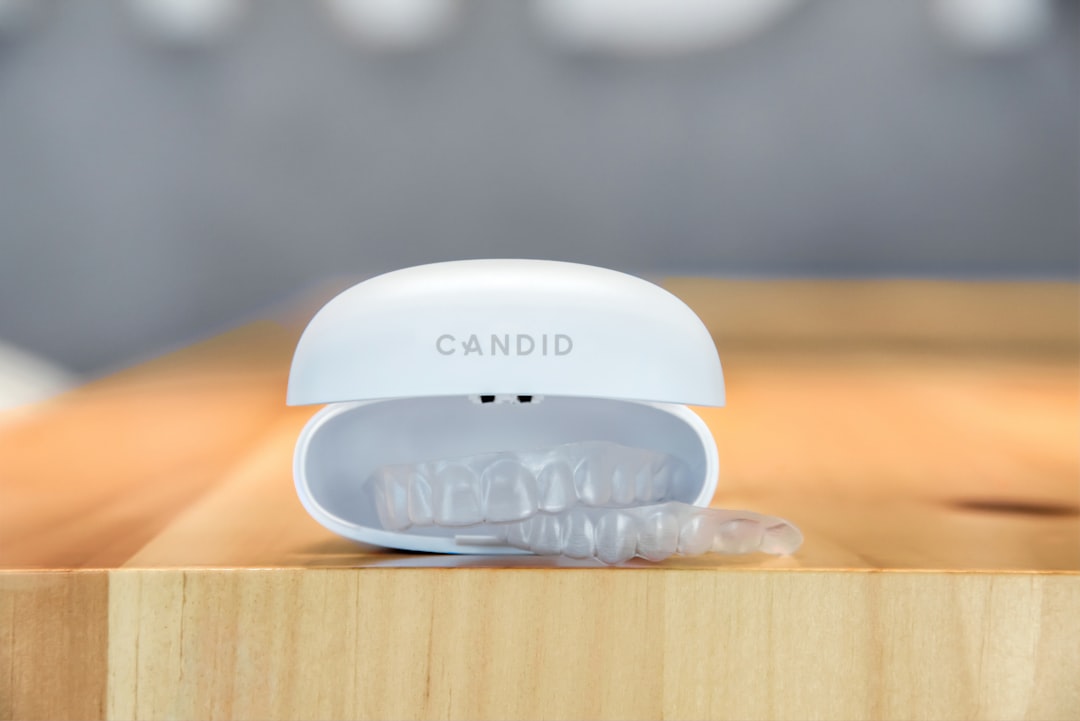
A dental mouth guard is a removable oral appliance that fits over your teeth to protect them from damage — whether that’s from a sports impact, nightly grinding, jaw clenching, or disrupted breathing during sleep.
Quick answer: What are the main types of dental mouth guards?
Type
Primary Use
Best For
Sports guard
Impact protection
Athletes in contact sports
Night guard
Bruxism / clenching
People who grind teeth during sleep
Sleep apnea appliance
Airway support / jaw repositioning
Snoring and sleep apnea sufferers
TMJ splint
Jaw muscle relief
TMJ disorder and jaw pain
Each type comes in two broad categories: store-bought (stock or boil-and-bite) and custom-made by a dental professional. The right choice depends on your specific condition, lifestyle, and how much protection you actually need.
Many people live with jaw pain, worn-down teeth, or restless sleep without realizing a well-fitted mouth guard could help. In fact, over 10 million Americans deal with temporomandibular joint (TMJ) problems — and that’s just one of the conditions a mouth guard can address.
This guide breaks down every type, compares your options, and helps you figure out what’s right for your situation.
What Is a Dental Mouth Guard and When Do You Need One?
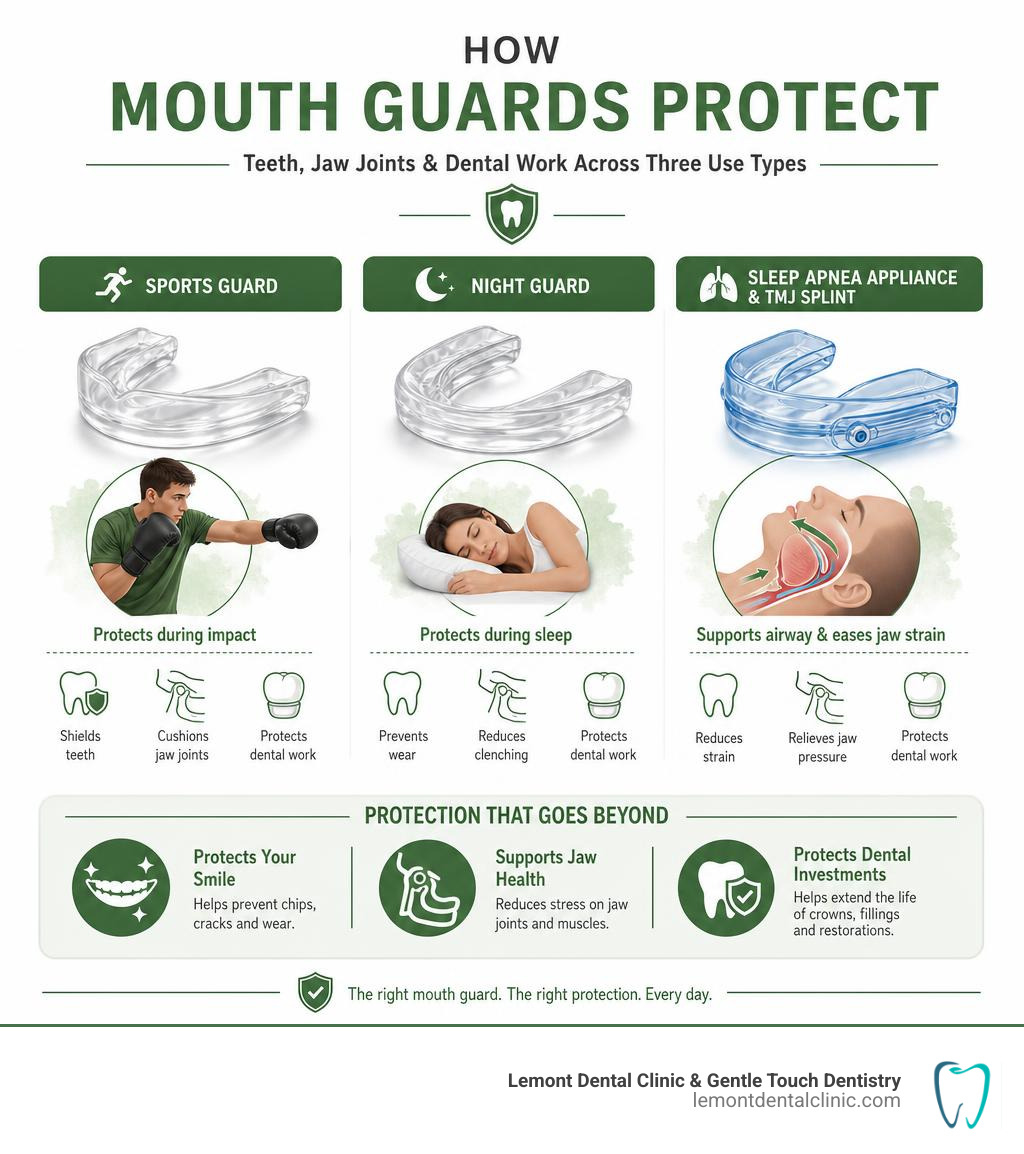
A dental mouth guard is a protective appliance that sits over the teeth. Depending on its purpose, it may cover the upper teeth, lower teeth, or both. Some guards are designed mainly to absorb impact. Others create a barrier between the upper and lower teeth. Sleep-related appliances may also reposition the lower jaw to help keep the airway more open.
Think of it as a helmet for your teeth. Is it glamorous? Not exactly. But neither is explaining to your dentist how a pickup basketball game turned into a chipped front tooth.
Mouth guards can help with:
Cushioning teeth during sports contact
Reducing tooth-on-tooth wear from grinding
Protecting dental work such as crowns, bridges, veneers, and implants
Supporting the jaw joints and muscles
Helping certain people breathe better during sleep when used as a sleep apnea oral appliance
Not every mouth guard does all of these things. A sports guard is not the same as a night guard, and a night guard is not the same as a sleep apnea appliance. Choosing the wrong type can mean less comfort, less protection, or in some cases, worsening symptoms.
Primary Purposes of a Mouth Guard
Mouth guards are used for prevention, protection, and symptom management. Their main purposes include:
Reducing the risk of chipped teeth, cracked teeth, and knocked-out teeth
Protecting lips, cheeks, and tongue from cuts during impact
Limiting enamel wear from grinding and clenching
Helping prevent cracked fillings, crowns, or other restorations
Reducing strain on jaw muscles and TMJ joints
Supporting TMJ comfort by improving jaw positioning
Reducing snoring in some patients with the right appliance
Supporting treatment for obstructive sleep apnea when prescribed by a qualified provider
For sports, the goal is impact absorption. For bruxism, the goal is separation and protection. For TMJ symptoms, the goal is often jaw stabilization. For sleep apnea, the goal is airway support.
Conditions and Activities That Commonly Require Mouth Guards
You may benefit from a mouth guard if you have a diagnosed condition, a high-risk activity, or warning signs of tooth damage.
Contact sports such as football, hockey, basketball, soccer, boxing, rugby, lacrosse, wrestling, and martial arts
Recreational activities with a fall risk, such as skating or biking
Snoring or suspected obstructive sleep apnea
Wearing braces or having dental restorations that need extra protection
Sports mouth guards are often recommended for contact and collision sports because they can reduce the risk of dental trauma, including fractured or displaced teeth. Research has also found that college athletes who wore mouth guards were less likely to experience sports-related concussion, though mouth guards should never be viewed as a replacement for helmets, rules, and proper technique.
Types of Mouth Guards: Sports Guards, Night Guards, and Sleep Apnea Appliances
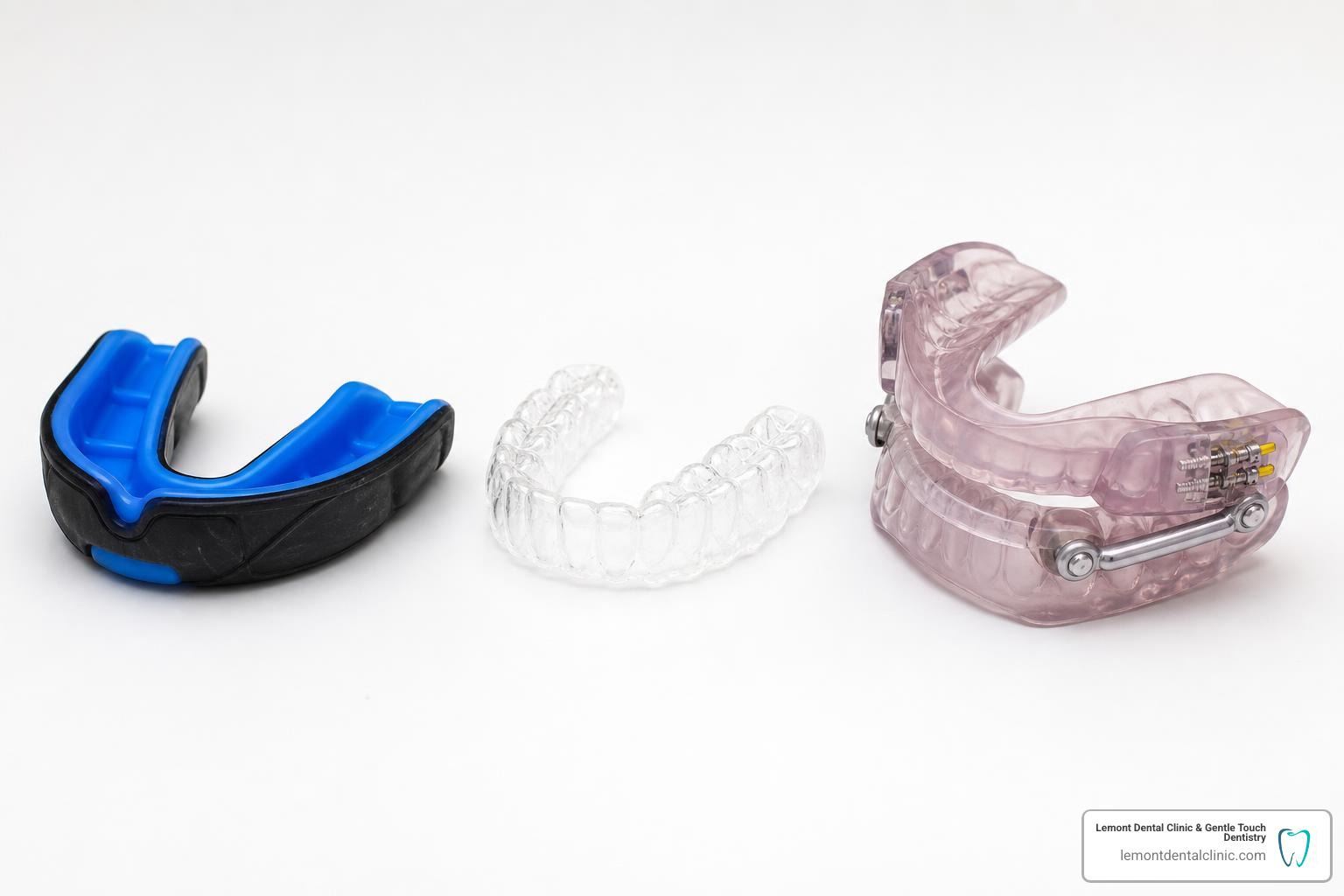
There are three major purpose-based categories of mouth guards:
Sports mouth guards
Night guards for bruxism, clenching, and TMJ symptoms
Sleep apnea and snoring oral appliances
The differences matter. A soft, bulky sports guard may not hold up well against nightly grinding. A hard night guard will not provide the same impact protection as a sports guard. A sleep apnea appliance should only be used after proper medical and dental evaluation.
Sports Mouth Guards for Impact Protection
Sports guards protect the teeth, gums, lips, cheeks, and jaw from blows to the face or mouth. They are especially important in contact and collision sports, including:
Football
Basketball
Hockey
Soccer
Boxing
Martial arts
Lacrosse
Wrestling
Rugby
They are also helpful for high-fall activities where the mouth may hit the ground, equipment, or another player. The upper front teeth, especially the central incisors, are common targets during sports injuries because they sit right in the impact zone.
A sports mouth guard should:
Stay securely in place
Allow comfortable breathing
Allow reasonable speech
Not trigger gagging
Cover the vulnerable teeth and gum area
Absorb and distribute force
Youth athletes may need replacements more often because their jaws and teeth are still changing. Adults also need periodic replacement, especially if the guard becomes loose, thin, torn, or uncomfortable.
Dental Mouth Guard for Bruxism, Clenching, and TMJ Symptoms
A night guard is a dental mouth guard worn during sleep to protect against bruxism and clenching. Bruxism can happen without you knowing it. Many people discover it because they wake up with jaw soreness, headaches, tooth sensitivity, or worn-down enamel.
Signs you may be grinding or clenching include:
Flattened or shortened teeth
Chips along tooth edges
Cracks in fillings or crowns
Morning jaw tightness
Headaches near the temples
Tooth sensitivity
Clicking or popping in the jaw
Facial muscle soreness
Night guards create a protective barrier between the upper and lower teeth. They do not “cure” bruxism, but they can reduce damage and help relieve pressure on the teeth and jaw muscles.
Night guards may be:
Soft: often used for mild grinding or clenching
Hard: often used for moderate to severe grinding
Hybrid: usually soft on the inside and harder on the outside
Thin or thick: commonly ranging from about 1mm to 3mm depending on severity and comfort needs
TMJ splints are a related type of appliance. They may be designed to place the jaw in a more stable position, relax overworked muscles, or reduce stress on the jaw joints. Because TMJ symptoms can have several causes, we recommend an exam before choosing a guard for jaw pain.
Sleep Apnea and Snoring Oral Appliances
Sleep apnea appliances are different from standard night guards. These custom oral appliances are often called mandibular advancement devices. They gently position the lower jaw forward to help prevent the tongue and soft tissues from blocking the airway during sleep.
They may be used for:
Loud snoring
Mild to moderate obstructive sleep apnea
Patients who cannot tolerate CPAP in certain cases
Patients who use an oral appliance along with other sleep therapy, when recommended
Sleep apnea should not be self-diagnosed. If you snore loudly, wake up gasping, feel exhausted during the day, or have pauses in breathing reported by a partner, you should speak with a healthcare provider. A sleep study may be needed before an oral appliance is prescribed.
A sleep apnea appliance should be custom-fitted and monitored. The fit, jaw position, and bite changes need follow-up because this type of appliance affects both dental comfort and airway function.
Custom vs. Store-Bought Mouth Guards: Fit, Comfort, Durability, and Effectiveness
Not all mouth guards are created equal. Store-bought options may be convenient for short-term or lower-risk needs, but custom guards usually provide better fit, comfort, stability, and protection.
Cost is part of the decision, but the lowest upfront cost is not always the best long-term value. A poorly fitting guard may sit in a drawer, which is technically “protected” from use but not helpful for your teeth.
Stock and Boil-and-Bite Mouth Guards
Stock guards are pre-formed and ready to wear. They are usually the least personalized option. Because they are not shaped to your teeth, they may feel bulky, slip out of place, or make breathing and speaking difficult.
Boil-and-bite guards are softened in hot water and then molded around the teeth at home. They usually fit better than stock guards, but they still have limits. If overheated, under-molded, or bitten too hard during shaping, they may become uneven or too thin in important areas.
Store-bought guards may be reasonable for:
Short-term sports protection
Occasional recreational use
A temporary solution while waiting for a custom guard
Lower-risk activities
Possible downsides include:
Gagging
Slipping
Bulkiness
Uneven bite pressure
Less durability
Frequent replacement
Less protection for severe grinding or dental restorations
Custom Dental Mouth Guard Advantages
A custom dental mouth guard is made from an impression or digital scan of your teeth. That means it is designed for your bite, your anatomy, and your specific purpose.
Custom guards often provide:
A more precise fit
Better retention without constant clenching to hold it in
Less bulk
Easier breathing and speaking
Better comfort for nightly wear
Improved protection for crowns, veneers, bridges, and implants
More durable materials
A longer usable lifespan with proper care
Custom guards are especially valuable for people with severe grinding, TMJ symptoms, braces, implants, crowns, or a history of dental injuries. They can also be designed differently depending on whether you need sports protection, bruxism protection, jaw support, or sleep apnea treatment.
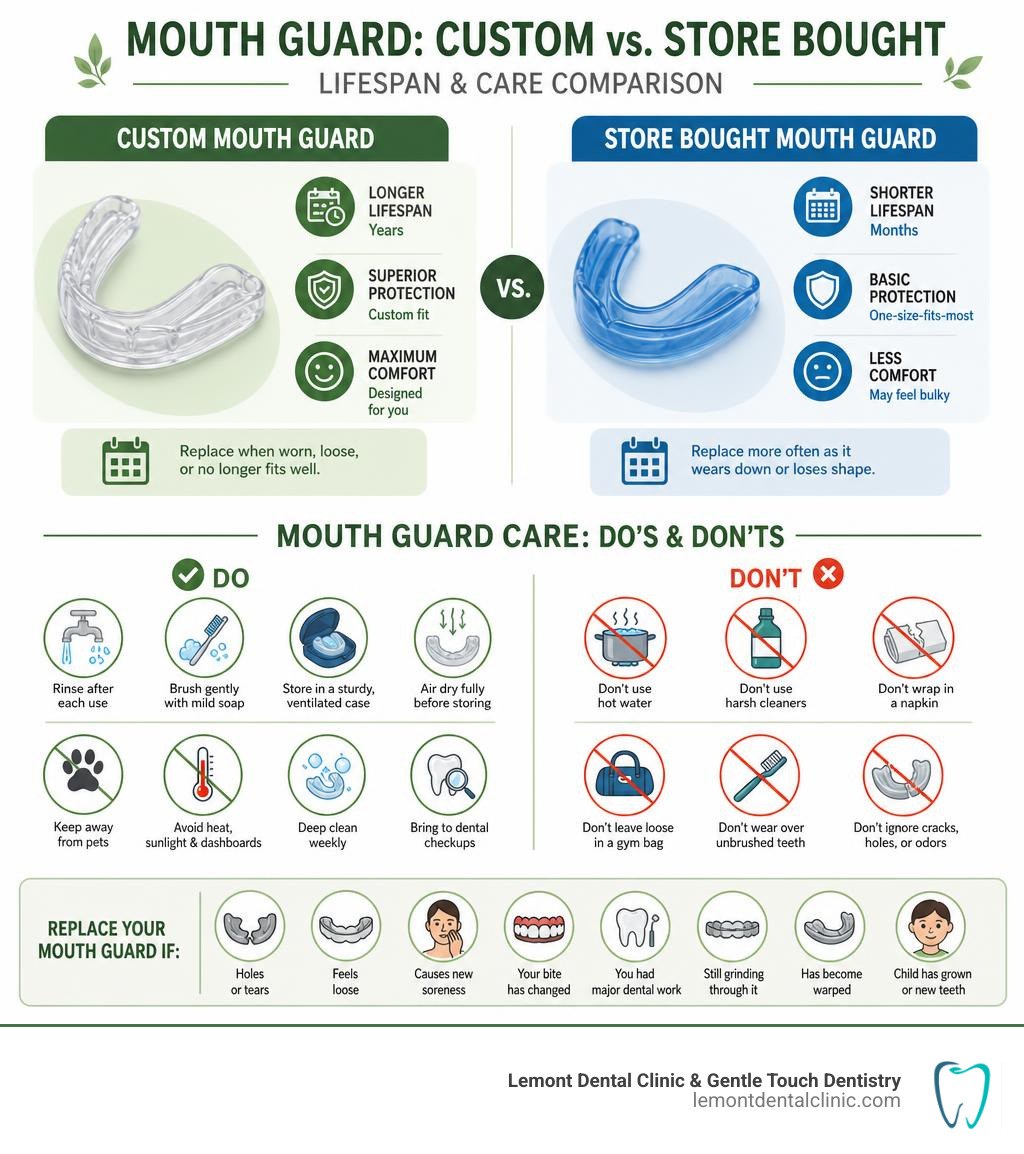
With proper care, custom mouth guards can last several years. Store-bought guards often need replacement several times a year, especially with frequent use or heavy grinding.
How to Choose the Right Type for Your Situation
Use these decision factors as a starting point:
Sports contact level: Collision and combat sports usually need stronger protection than low-contact activities.
Grinding severity: Severe bruxism often needs a harder or hybrid guard.
Jaw pain: TMJ symptoms should be evaluated before choosing an appliance.
Sleep symptoms: Snoring, gasping, or daytime sleepiness may require medical evaluation.
Braces: Orthodontic movement changes fit, so professional guidance is important.
Dental implants or crowns: Custom fit helps protect existing dental work.
Age and growth: Children and teens may need more frequent replacement.
Comfort needs: If you cannot tolerate bulk, a custom guard may improve consistency.
Bite changes: If your bite feels different, do not ignore it.
Long-term value: A durable, comfortable guard is more likely to be worn.
If you are unsure, we can evaluate your teeth, bite, jaw joints, and goals to help you choose the right appliance.
Getting, Wearing, Caring for, and Paying for a Custom Mouth Guard
Getting a custom mouth guard is straightforward. The exact process depends on whether the guard is for sports, grinding, TMJ symptoms, or sleep apnea.
In general, the process includes:
Consultation and exam
Review of symptoms and goals
Bite evaluation
Impressions or digital scan
Fabrication of the appliance
Fitting appointment
Adjustments if needed
Follow-up and replacement planning
At Lemont Dental Clinic & Gentle Touch Dentistry, we provide comprehensive dental care in Lemont and Palos Hills, IL, with attention to quality, fit, and comfort. Our goal is not just to make an appliance. It is to help protect your teeth in a way you can actually live with.
How a Custom Mouth Guard Is Made
A custom mouth guard starts with an accurate record of your teeth. This may be done with traditional putty impressions or a digital intraoral scan.
The general process looks like this:
Exam: We check your teeth, gums, bite, restorations, and jaw joints.
Diagnosis: We determine whether you need a sports guard, night guard, TMJ splint, or sleep apnea appliance.
Impression or scan: We capture the shape of your teeth.
Dental model: A model or digital file is used to design the guard.
Material selection: The material is chosen based on your needs.
Fabrication: The appliance is formed, trimmed, and polished.
Fit check: We make sure it seats properly and feels comfortable.
Bite check: We evaluate how your teeth contact the appliance.
Adjustments: Small refinements are made if needed.
Common materials include:
EVA: A flexible thermoplastic often used in sports guards
Acrylic: A harder material often used for certain night guards and splints
Dual-layer materials: Soft inside with a harder outside for comfort and durability
Medical-grade thermoplastics: Used for specific oral appliances depending on design
Many custom guards require two appointments: one for records and one for fitting. Some complex TMJ or sleep apnea appliances may require additional follow-up.
Dental Mouth Guard Safety With Braces, Implants, Crowns, and Other Dental Work
Yes, many patients can wear mouth guards with braces, implants, crowns, veneers, bridges, and other dental work. But the key word is “properly.”
With braces, the teeth are moving. A mouth guard must allow room for orthodontic changes and should not lock onto brackets. Athletes with braces are at higher risk of soft-tissue cuts from impact, so professional fitting is especially important.
With implants, crowns, bridges, or veneers, a custom guard can help protect your investment by reducing impact, grinding forces, and uneven bite pressure.
Special situations that need professional guidance include:
Braces or clear aligner treatment
Dental implants
Crowns or bridges
Veneers
Retainers
Loose teeth
Temporary crowns or temporary dental work
Gum disease or tooth mobility
Pediatric growth and mixed baby/adult teeth
Do not force a tight guard over dental work. If it feels stuck, painful, or suddenly different, stop wearing it and schedule an evaluation.
Benefits, Side Effects, and Risks to Watch For
A well-fitted mouth guard can offer major benefits:
Helps preserve natural teeth
Reduces enamel wear
Lowers risk of chips and fractures
Protects fillings, crowns, implants, and veneers
Improves comfort during sports
May reduce jaw soreness from clenching
May support better sleep in properly selected cases
Can help reduce future restorative dental needs
Possible side effects include:
Tooth soreness during the adjustment period
Gum irritation
Increased saliva or drooling
Dry mouth
Temporary speech changes
Mild pressure on teeth
Discomfort if the appliance is too tight or loose
Risks are usually related to poor fit, wrong appliance type, or poor hygiene. A badly fitting guard may cause sore spots, shift pressure onto certain teeth, or make you avoid wearing it. A dirty guard can collect bacteria and odors. A sleep apnea appliance used without proper diagnosis may fail to treat the condition or worsen symptoms.
Call us if you notice:
New bite changes
Persistent tooth pain
Bleeding gums
Looseness or cracks in the guard
Worsening jaw pain
Increased snoring or gasping during sleep
A guard that no longer stays in place
How Long Mouth Guards Last and How to Care for Them
A custom mouth guard can last several years with proper care, though heavy grinders may wear through one sooner. Store-bought guards may need replacement several times a year, especially if used often. Children and teens may need replacements more frequently because their mouths are still growing.
Care routine:
Rinse after each use with cool or lukewarm water.
Brush gently with a soft toothbrush and mild soap.
Let it air dry fully before storing.
Store it in a sturdy, ventilated case.
Keep it away from pets. Dogs have a suspiciously strong interest in dental appliances.
Avoid hot water, direct sunlight, dashboards, and other heat sources.
Deep clean weekly as recommended by your dentist.
Bring it to dental checkups so we can inspect the fit and wear.
Avoid:
Boiling a custom guard
Using harsh cleaners
Wrapping it in a napkin where it may get thrown away
Leaving it loose in a gym bag
Wearing it over unbrushed teeth
Ignoring cracks, holes, or odors
Replace your mouth guard if:
It has holes or tears
It feels loose
It causes new soreness
Your bite has changed
You had major dental work
You are still grinding through it
It has become warped
Your child has grown or new teeth have erupted
Insurance, HSA/FSA, and Cost Considerations
Coverage varies widely. Some dental insurance plans cover part or all of the cost of a custom mouth guard when there is a diagnosis such as bruxism, tooth wear, or TMJ-related concerns. Sports guards are less consistently covered because many plans view them as preventive athletic equipment.
Sleep apnea appliances may fall under medical insurance when they are medically necessary and supported by proper diagnosis, such as a sleep study. These cases may require preauthorization, medical documentation, and specific diagnostic codes.
Payment considerations include:
Dental insurance benefits
Medical insurance for qualifying sleep apnea appliances
Plan deductibles and annual maximums
Replacement frequency limits
Preauthorization requirements
HSA or FSA eligibility
Written treatment estimates
Receipts for reimbursement
Before treatment, we can help you understand your estimate and what information your insurance plan may request. Because every plan is different, the best answer usually comes from benefits verification, not guessing. Dentistry and guessing are not best friends.
Conclusion and Frequently Asked Questions About Dental Mouth Guards
The right dental mouth guard can protect your teeth, support your jaw, reduce grinding damage, and help prevent avoidable dental injuries. The key is matching the appliance to the problem.
A sports guard protects against impact. A night guard protects against grinding. A TMJ splint helps manage jaw strain. A sleep apnea appliance supports breathing when prescribed after proper evaluation.
At Lemont Dental Clinic & Gentle Touch Dentistry, we provide all-in-one general and restorative dental care for patients in Lemont, Palos Hills, and nearby communities including Chicago Ridge, Worth, Palos Park, Hickory Hills, Oak Lawn, Orland Park, Palos Heights, Bolingbrook, Romeoville, Lockport Heights, and surrounding areas. We focus on experienced care, current dental technology, quality treatment, and affordability.
If you are dealing with jaw pain, tooth wear, sports risk, dental work you want to protect, or possible sleep-related breathing concerns, we can help you decide what type of mouth guard makes sense.
When should someone consult a dentist about a dental mouth guard?
You should consult a dentist if you notice:
Jaw pain or tightness
Morning headaches
Worn, flattened, or chipped teeth
Tooth sensitivity
Cracked fillings, crowns, or veneers
Clicking or popping in the jaw
A history of sports-related dental injuries
A child or teen participating in contact sports
Braces, implants, crowns, bridges, or veneers
A store-bought guard that feels uncomfortable
Loud snoring, gasping, or suspected sleep apnea
You should also come in if your current guard feels loose, causes pain, smells despite cleaning, has holes, or no longer fits after dental work.
Can I wear a mouth guard every night?
Yes, if it was made or recommended for nightly use. Many people with bruxism wear a night guard every night to protect their teeth from grinding and clenching.
To wear it safely:
Follow your dentist’s instructions
Clean it every morning
Store it dry in a ventilated case
Track symptoms such as soreness or headaches
Bring it to dental visits
Ask for adjustments if it feels uncomfortable
There may be an adjustment period. Most people adapt with consistent use, but a guard should not cause ongoing pain, major bite changes, or worsening sleep symptoms.
Does insurance usually cover a dental mouth guard?
Sometimes. Coverage depends on the type of appliance, diagnosis, and insurance plan.
General patterns:
Bruxism night guards may be partially covered by some dental plans.
Sports guards may not be covered by many plans.
TMJ appliances vary by plan and diagnosis.
Sleep apnea oral appliances may be covered by medical insurance if medically necessary.
HSA and FSA funds can often be used for eligible mouth guard expenses.
The safest step is to verify your benefits before treatment. We can provide an estimate and documentation so you understand your options before moving forward.