Temporary Dentures Keep You From Going Toothless During Healing
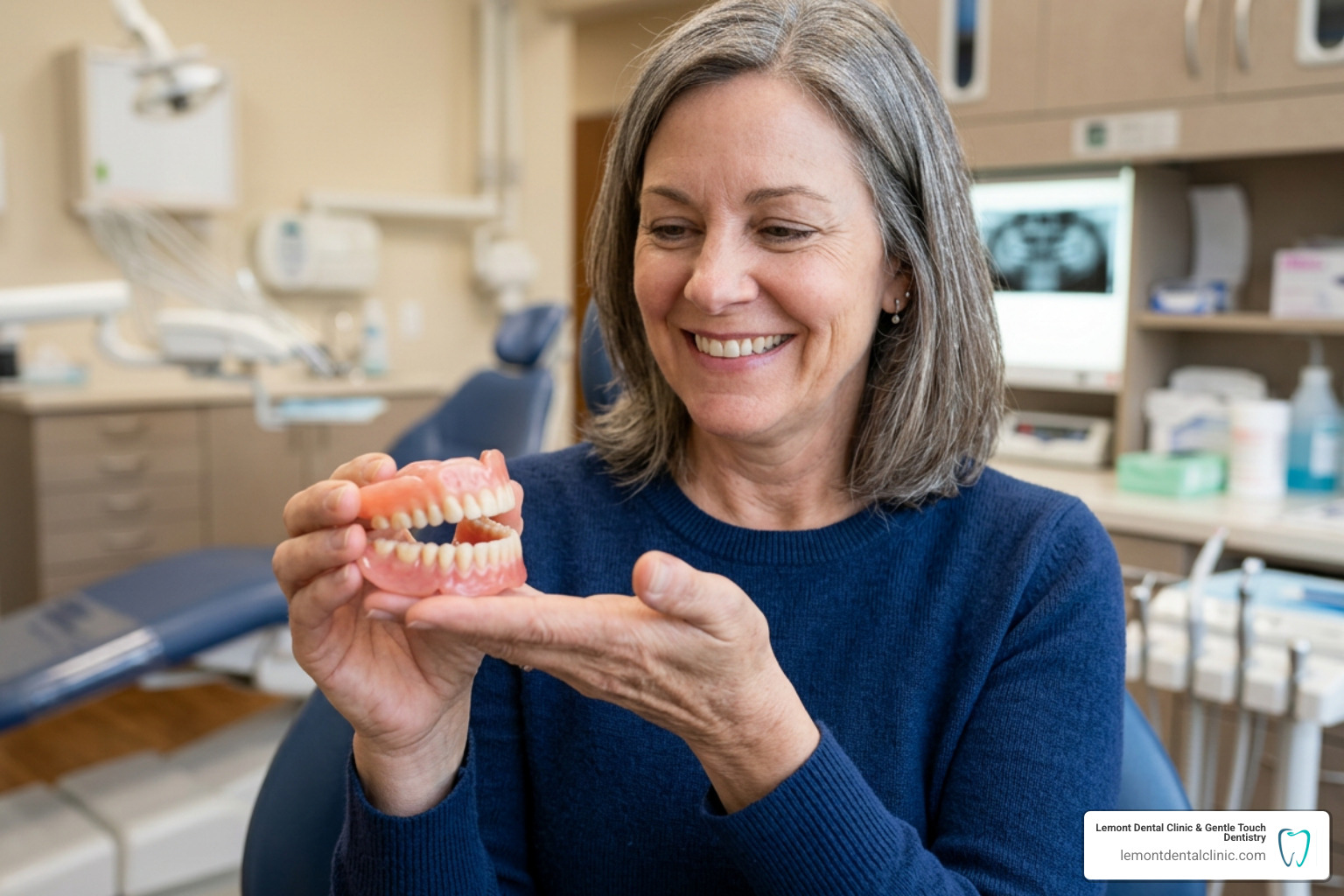
Temporary dentures are removable teeth replacements used right after extractions or while you wait for a final restoration. Often called immediate dentures, they can be placed the same day teeth are removed, so you can leave the dental office with a complete-looking smile instead of a visible gap.
They are not designed to be the final fit. Your gums and jawbone change shape as extraction sites heal, so temporary dentures usually need adjustments or relining before you move to conventional dentures or another long-term option.
Temporary dentures can help you:
Maintain your appearance and confidence during healing
Support basic speech and eating while you adjust
Cover and protect healing gum tissue
Avoid spending weeks or months without teeth
Whether you need a full denture, a temporary partial denture for one or several teeth, or a bridge to implant-supported teeth, the right choice depends on your oral health, treatment goals, and healing plan. This guide explains what to expect, from placement day through your permanent solution.
Understanding Temporary Dentures and How They Work
Facing extensive tooth extractions can feel daunting. The prospect of living without teeth for months while your gums heal is enough to make anyone anxious. That is where an interim solution bridges the gap. Crafted primarily from lightweight acrylic resin, these appliances are custom-made before your surgical appointment and placed directly into your mouth the moment your natural teeth are removed.
Beyond aesthetic benefits, these appliances serve an important medical function. Think of them as a protective, functional bandage for your mouth. After surgical extractions, your mouth needs a clean, stable environment to recover. An immediate prosthetic acts as a protective wound dressing over the sensitive extraction sites. It helps minimize swelling, shields open sockets from food debris, and aids in blood clot preservation to avoid painful complications like dry socket. As outlined in this comprehensive Immediate dentures overview, having teeth in place on day one allows patients to recover with physical comfort and peace of mind.
Immediate Full vs. Partial Temporary Dentures
Depending on your specific dental needs, interim appliances are configured as either complete arches or partial devices:
Immediate Full Dentures: When an entire upper or lower arch of teeth must be removed due to extensive decay, advanced periodontal disease, or severe trauma, a full immediate denture replaces all the missing teeth at once. The acrylic base rests directly on your gum tissue and palate, relying on natural suction and muscle control for retention.
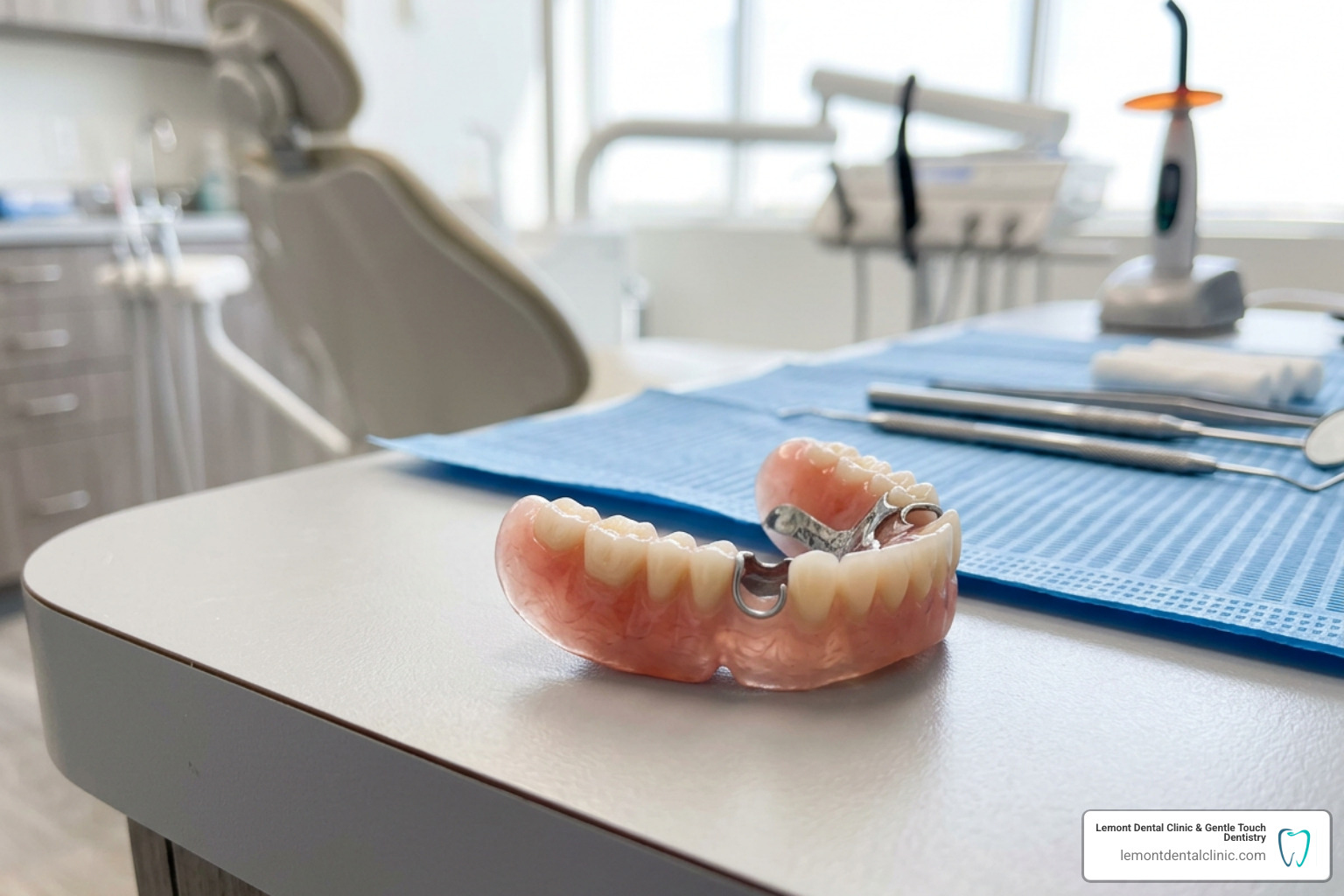
Temporary Partial Dentures: If you only need one or several teeth removed while retaining healthy surrounding teeth, temporary partial denture options are used. Often called “flippers,” these devices consist of prosthetic replacement teeth attached to a pink acrylic base. They frequently utilize flexible polymer or delicate metal clasps that gently grip adjacent natural abutment teeth for stabilization.
Both variations keep your smile intact and prevent remaining natural teeth from drifting out of alignment during the healing period.
Comparing Immediate and Conventional Permanent Prosthetics
While they look similar at a glance, immediate and conventional dentures serve distinct purposes in your restorative journey. The primary difference lies in the timing of the impressions and fabrication.
Conventional dentures are fabricated after the extraction sites have completely healed and the underlying jawbone has settled into its permanent shape. Immediate prosthetics are made beforehand using estimated models of your post-extraction mouth.
Feature
Temporary / Immediate Dentures
Conventional Permanent Dentures
Placement Timing
Inserted immediately post-extraction
Placed after full gum and bone healing (6 to 8 weeks+)
Primary Purpose
Aesthetics, gum protection, interim chewing
Long-term durability, optimal bite force, precise fit
Impression Timing
Taken before teeth are extracted
Taken after bone remodeling stabilizes
Fit Accuracy
Moderate; loosens as gums heal and shrink
High precision tailored to stabilized tissues
Adjustment Needs
Frequent chairside adjustments and relines
Minimal long-term adjustments required
Average Lifespan
4 to 8 months (transitional)
5 to 10+ years with proper maintenance
Key Benefits and Drawbacks of Interim Dental Options
Choosing an immediate tooth replacement offers clear advantages, though understanding the limitations helps set realistic expectations for your recovery.
The Benefits:
Immediate Aesthetic Continuity: You walk out of our office with a complete set of teeth. You never have to attend work, social gatherings, or family events with visible gaps.
Facial Structure Support: Teeth support the lips and cheeks. Immediate replacements prevent the sunken facial appearance that often follows multi-tooth extractions.
Tissue Protection: By covering the surgical wounds, the appliance prevents direct trauma to vulnerable extraction sockets while you eat and speak.
Easier Speech Transition: Learning to speak with a prosthetic takes practice; starting immediately speeds up your long-term muscular adaptation.
The Drawbacks:
Fit Instability Over Time: As swelling subsides and underlying bone resorbs, the appliance naturally becomes loose, requiring regular maintenance.
Soft Tissue Irritation: Rubbing and minor sore spots are common during the first few weeks as the tissue changes shape.
Reduced Chewing Efficiency: Because the bite cannot be fully perfected prior to extractions, you will need to stick to softer foods initially.
Gag Reflex Sensitivity: The upper acrylic palate can occasionally trigger a mild gag reflex until your mouth adapts to the appliance.
Candidacy Factors for Same-Day Tooth Replacement
Most patients requiring extractions are viable candidates for immediate prosthetics. You are an ideal candidate if you are undergoing full-mouth clearances due to advanced periodontitis, widespread structural decay, or sudden facial trauma.
However, certain clinical situations require extra care. Patients with complex systemic conditions that impair healing, severe uncontrolled oral infections, or an unusually strong gag reflex may require specialized treatment plans. During your initial consultation, we thoroughly assess your oral structures, medical history, and personal goals to determine if same-day prosthetics are right for you.
Step-by-Step Process of Getting Temporary Dentures
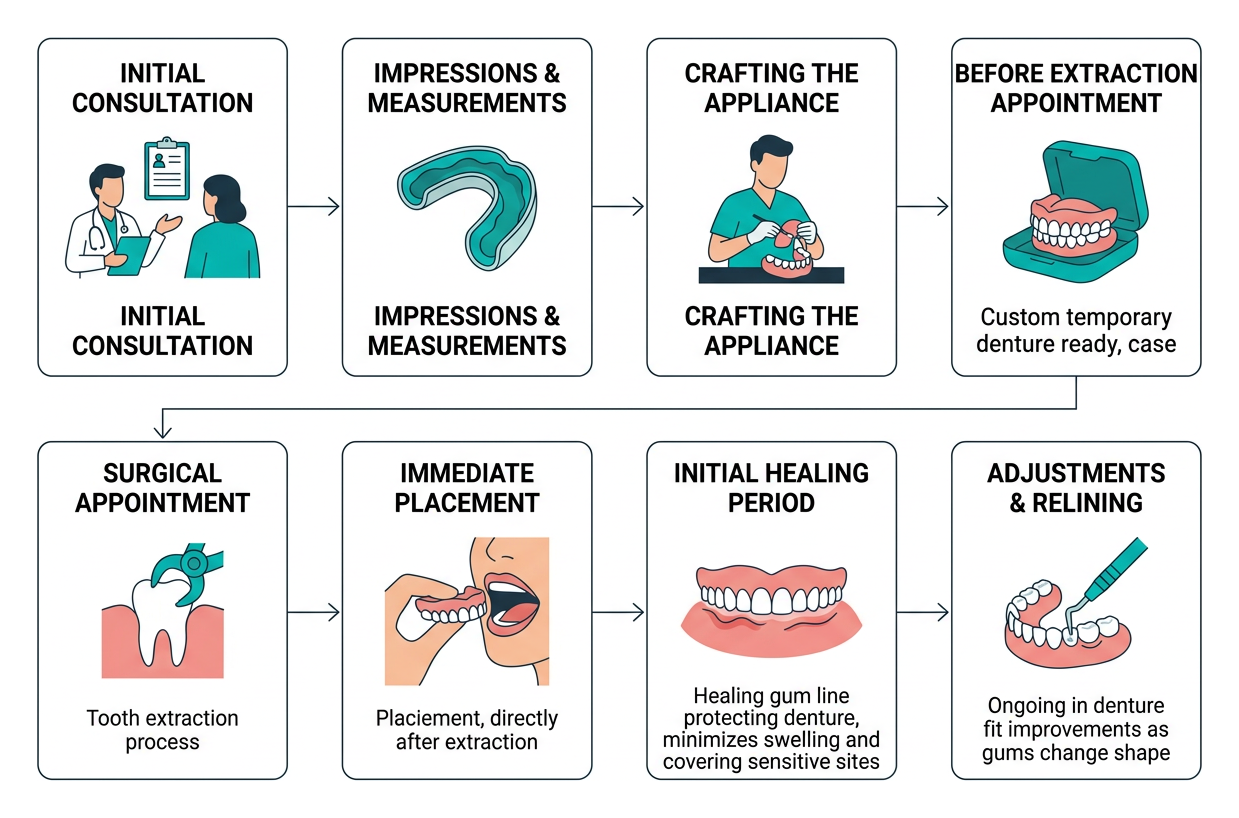
Getting an immediate prosthetic involves clear, coordinated phases designed to make your transition smooth and predictable:
Initial Consultation and Examination: We evaluate your oral health, take high-resolution digital X-rays, and discuss your smile aesthetic preferences.
Pre-Extraction Impressions and Bite Registration: While your existing teeth are still in place, we take precise impressions of your dental arches and record your natural jaw relationship.
Laboratory Fabrication: Our dental laboratory crafts your appliance, shaping the acrylic teeth to complement your facial features and skin tone.
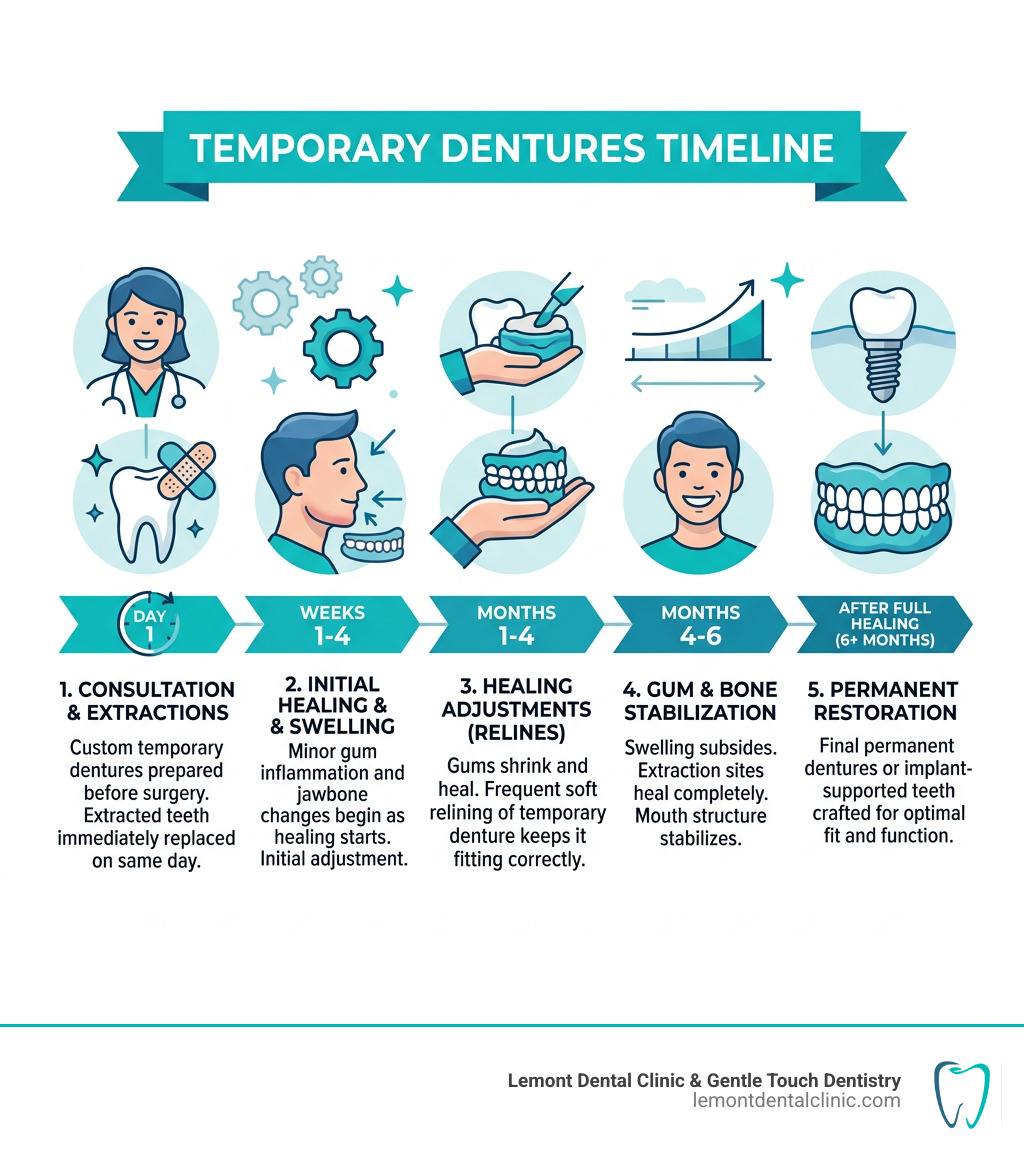
Surgical Extraction and Immediate Insertion: At your surgical visit, your teeth are gently removed under local anesthesia, and the appliance is seated directly over the fresh extraction sites.
24-Hour Continuous Wear Protocol: You must keep the appliance in place for the first 24 to 48 hours without removing it. This controls post-operative bleeding and ensures your gum tissue adapts to the contours of the base.
Next-Day Follow-Up: We remove the appliance in our office, inspect the healing tissue, relieve any pressure spots, and teach you how to remove, clean, and reinsert your appliance safely.
Managing Healing, Relining, and Adjustments
In the months following tooth extraction, your body undergoes natural alveolar bone resorption. As the extraction sockets fill with new bone and the swelling resolves, your gum ridges shrink significantly.
Because of this shrinkage, a denture that felt snug on day one will inevitably feel loose a few weeks later. To maintain comfort and retention, we perform periodic relines:
Soft Chairside Relines: A pliable, medicinal material is applied directly inside your denture base during a brief office visit. This cushions tender gums and restores immediate suction. Most patients receive two to three soft relines during the 3-to-6-month healing phase.
Hard Laboratory Relines: Once the bone remodeling process stabilizes (typically around the 6-month mark), a durable, permanent acrylic lining is processed into the base to secure the fit until your final prosthetic is ready.
Essential Care, Maintenance, and Daily Life Tips
Caring for an interim appliance requires consistent hygiene habits to protect both the prosthetic and your healing gums:
Gentle Brushing: Clean your prosthetic at least once a day using a soft-bristled denture brush and a non-abrasive denture cleanser or mild hand soap. Never use standard whitening toothpaste, as abrasive silica particles will scratch the acrylic and create microscopic harbors for bacteria.
Nightly Soaking: After your initial 48-hour healing period, remove your appliance every night before bed. Soak it in cool or lukewarm water containing a mild denture-cleaning tablet. Never use hot or boiling water, which can warp the acrylic base and ruin the fit.
Oral Rinses: Rinse your mouth with warm salt water after meals to soothe your healing gums and clear away bacteria before reinserting your clean appliance.
Smart Eating Habits: Start with a soft diet consisting of eggs, yogurt, smoothies, warm soups, and mashed vegetables. When reintroducing firmer foods, cut them into small pieces and distribute them evenly across both sides of your mouth. Chewing bilaterally prevents the appliance from tipping or dislodging while you eat.
Financial Considerations and Long-Term Value
Investing in your smile transition involves several factors. The total cost of interim appliances depends on whether you require a full or partial arch, the number of extractions needed, and the specific materials selected.
Most dental insurance plans classify temporary prosthetics as restorative care, frequently covering up to 50% of the cost. Flexible Spending Accounts (FSA) and Health Savings Accounts (HSA) can also be used to offset out-of-pocket expenses.
Beyond serving as a bridge to your final restoration, an interim appliance provides lasting utility. Many patients retain their adjusted temporary unit as an emergency backup once their permanent conventional dentures or implant-supported prosthetics are delivered. If your permanent set ever requires laboratory repair or relining, having a reliable backup ensures you are never caught without your smile.
Frequently Asked Questions About Interim Tooth Replacement
How long do temporary dentures typically last before replacement?
Temporary prosthetics are designed for a functional wear time of 4 to 8 months. This window allows the underlying jawbone and gum tissue to complete the majority of their post-surgical shrinkage. Once your oral contours have stabilized, you can comfortably transition to your final conventional dentures or implant-retained restorations.
Can I sleep with my temporary dentures in?
You should wear your appliance continuously during the first 24 to 48 hours after extraction surgery to minimize swelling and protect the healing tissue. After that initial post-operative window, it is essential to remove them each night before going to sleep. Giving your gum tissues a 6-to-8-hour rest allows blood to circulate freely and significantly reduces the risk of fungal infections such as denture stomatitis.
How do temporary dentures affect eating and speech?
You may notice minor speech changes, such as a slight lisp, during the first few days as your tongue adjusts to the acrylic plate. Practicing reading aloud and speaking slowly helps your mouth adapt within one to two weeks. For eating, starting with soft textures and chewing on both sides of your mouth will quickly restore your comfort and confidence at mealtime.
Conclusion
Losing natural teeth does not mean putting your life, career, or self-confidence on hold. With modern immediate dental appliances, you can navigate your healing journey smoothly, preserving your facial appearance and oral function from the very day of your procedure.
At Lemont Dental Clinic & Gentle Touch Dentistry, we provide compassionate, comprehensive restorative care across our welcoming offices in Lemont and Palos Hills, IL. We also proudly serve our neighboring communities throughout Chicago Ridge, Worth, Palos Park, Hickory Hills, Oak Lawn, Orland Park, Palos Heights, Bolingbrook, Romeoville, Palisades, and Lockport Heights.
Whether you are preparing for extractions or exploring full smile rehabilitation, our team combines the latest dental technology with personalized attention to deliver exceptional results. If you are searching for high-quality dentures near me, reach out to our friendly team today to schedule your comprehensive consultation and take the first step toward a healthy, confident smile.