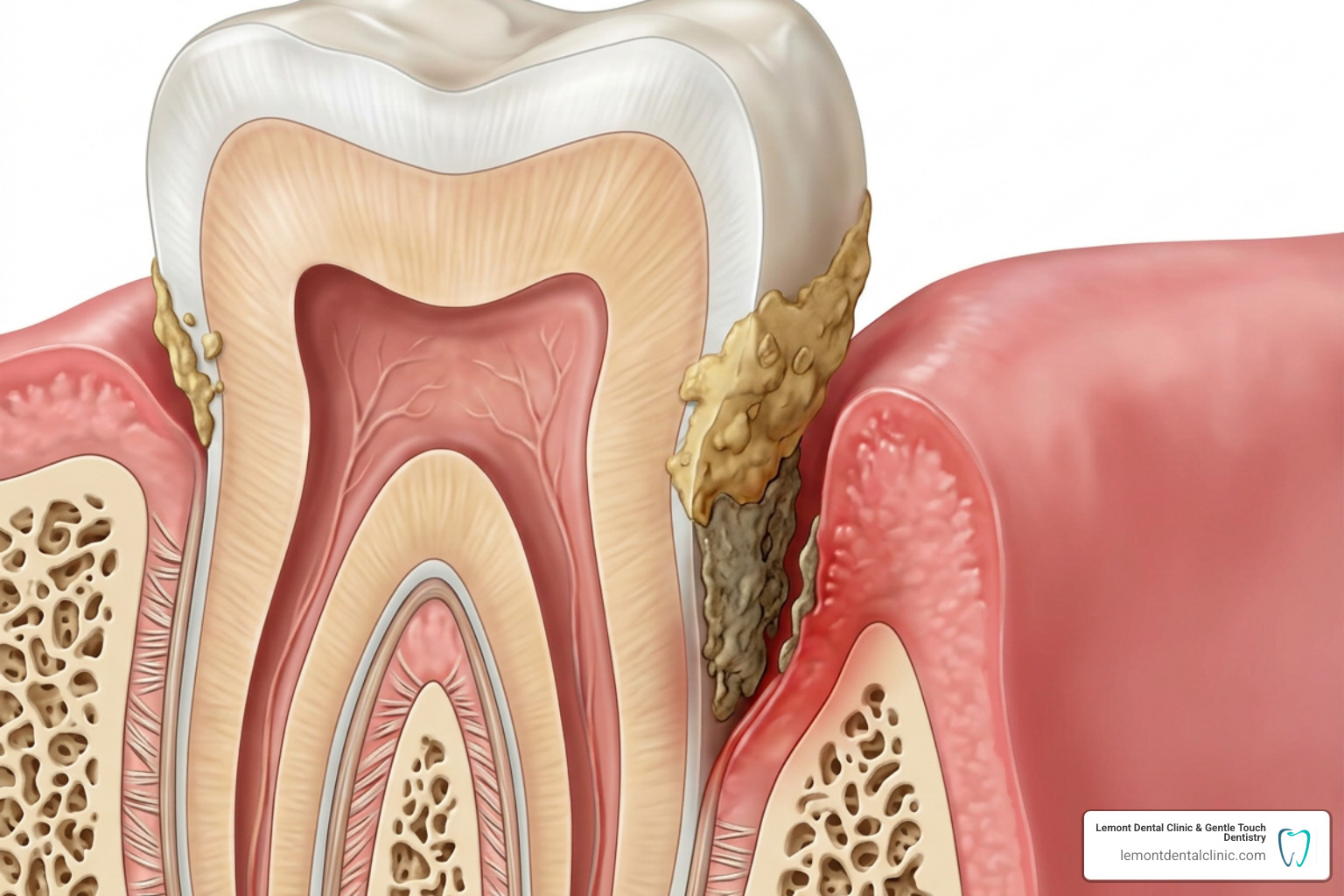
Why Tooth Scale Removal Matters More Than Most People Realize
Tooth scale removal — also called dental scaling — is the professional process of clearing hardened plaque deposits (tartar or calculus) from your teeth and gum line. It is one of the most important preventive procedures in dentistry, yet many patients aren’t sure what it involves or when they actually need it.
Here’s a quick answer if you’re short on time:
Question
Quick Answer
What is it?
Removal of hardened tartar from teeth surfaces, above and below the gum line
Who needs it?
Everyone needs routine scaling; those with gum disease need deeper scaling (root planing)
Does it hurt?
No — local anesthetic is used for deep cleaning; routine scaling causes minimal discomfort
How often?
Every 6 months for healthy gums; every 3–4 months if you have gum disease
Can you do it at home?
No — once tartar hardens, only professional tools can safely remove it
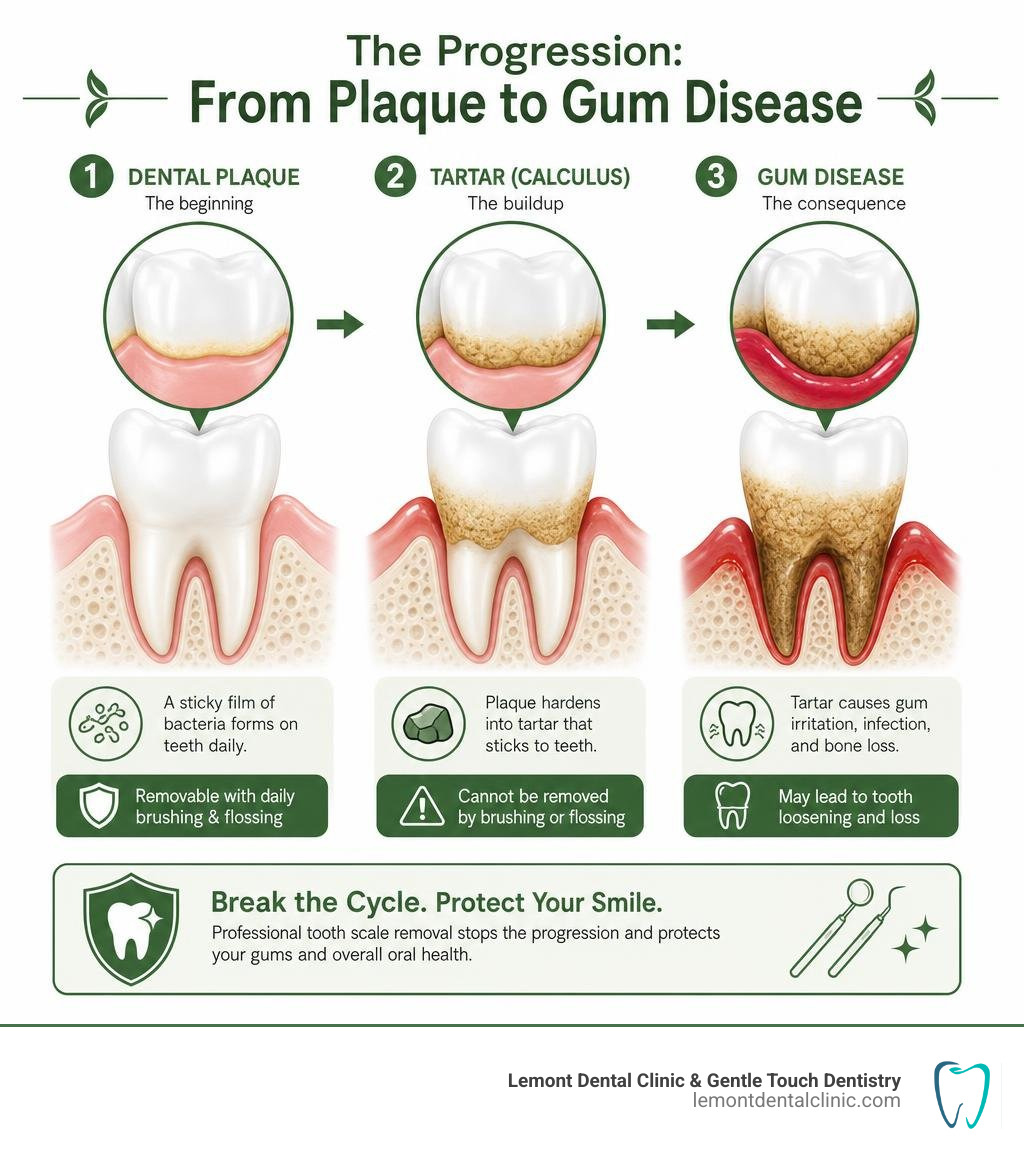
Nearly half of all American adults over 30 have some form of gum disease. And tartar — the hardened mineral deposit at the center of the problem — cannot be brushed or flossed away once it forms. It acts as a protective shelter for harmful bacteria, making professional removal the only effective solution.
Whether you’re coming in anxious about the procedure, wondering about costs, or just trying to understand what your dentist recommended, this guide walks you through everything clearly.
What is Tooth Scale Removal and How Does It Differ From Regular Cleaning?
To understand how we keep your smile healthy, it is essential to distinguish between standard preventive care and therapeutic treatments. While both keep your mouth feeling fresh, they target entirely different stages of oral health.
When you visit us for a standard appointment, the focus is primarily on maintaining healthy tissues and preventing disease. However, when calculus (hardened tartar) builds up significantly, it can irritate the gums, leading to gingivitis (early-stage gum disease) or periodontitis (advanced gum disease). At this stage, simple brushing is no longer enough, and a more targeted therapeutic approach is required. If you are due for your standard checkup, you can read more info about regular cleaning services to see how we keep healthy smiles on track.
Understanding Plaque, Biofilm, and Tartar Buildup
Every day, a soft, sticky film of bacteria called biofilm constantly forms on your teeth. When you eat, these bacteria feed on the sugars in your food, producing acids that can damage your enamel. If this plaque is not removed within 24 to 72 hours, it reacts with the minerals in your saliva and undergoes mineralization, hardening into tartar (calculus).
This process is particularly aggressive on interproximal surfaces—the tight spaces between your teeth that account for roughly 40% of your tooth’s surface area. Because toothbrushes cannot bend around these corners, these spots are highly susceptible to tartar accumulation. Once tartar forms, it acts as a porous, protective shelter for pathogenic bacteria, making it virtually impossible for you to clean these areas at home. You can find more info about professional dental cleaning to learn how our hygienists clear these hard-to-reach zones.
Prophylaxis vs. Therapeutic Tooth Scale Removal
A regular prophylaxis is a preventive treatment designed for patients with generally healthy gum tissues. Its main goal is to polish away plaque, light stains, and minimal supragingival tartar above the gum line.
In contrast, therapeutic scaling and root planing (often referred to as a deep cleaning) is an active treatment for diagnosed periodontal disease. If your gums have begun to pull away from your teeth, creating deep pockets where bacteria thrive, a standard cleaning will not suffice. We must go deep beneath the gum line to eliminate the source of infection. For those who need this deeper level of care, you can explore more info about deep cleaning services.
To help visualize these differences, here is a direct comparison:
Feature
Regular Prophylaxis
Therapeutic Deep Scaling
Primary Goal
Prevention of gum disease
Treatment of active gum disease
Target Area
Above the gum line (supragingival)
Deep below the gum line (subgingival)
Anesthesia
Rarely needed
Highly recommended (local numbing)
Pockets Treated
Healthy pockets (1–3 mm)
Diseased pockets (4 mm or deeper)
Typical Frequency
Every 6 months
Once (followed by maintenance visits)
Supragingival vs. Subgingival Tartar: Risks and Systemic Health Connections
Tartar behaves differently depending on where it settles. Understanding the distinction between supragingival (above the gum) and subgingival (below the gum) deposits explains why we take gum health so seriously.
Supragingival tartar is the visible yellow or brown crust you might notice along your bottom front teeth or near your cheeks. While unsightly, it is far less destructive than subgingival tartar. Subgingival tartar hides completely out of sight within the dark, oxygen-poor environment of the periodontal pocket. This hidden tartar is colonized by highly aggressive, anaerobic pathogenic bacteria. As your body’s immune response tries to fight off these invaders, it inadvertently destroys the very bone and connective tissue holding your teeth in place.
The Danger of Deep Periodontal Pockets
During your routine exams at our Lemont or Palos Hills offices, we use a specialized instrument called a periodontal probe to measure the depth of the space between your tooth and gum tissue.
In a healthy mouth, these pockets measure between 1 and 3 mm. However, when bacteria and tartar accumulate beneath the tissues, the inflammatory response causes the pockets to deepen. Once pocket depths reach 4 mm or more, they become impossible to clean with regular brushing or flossing. Left untreated, this chronic infection leads to progressive bone loss around the roots, resulting in tooth mobility (loose teeth) and, eventually, tooth loss. You can read the detailed scientific research on scaling and root planing provided by the Cleveland Clinic to understand how deep cleanings stop this destructive cycle.
Systemic Health Connections: From Heart Disease to Diabetes
The consequences of untreated periodontal disease extend far beyond bad breath and loose teeth. The mouth is the gateway to the rest of your body. When you have active gum disease, the delicate blood vessels in your gum pockets become ulcerated. This allows pathogenic bacteria and inflammatory toxins to enter your bloodstream directly, traveling to major organs.
A landmark 2024 meta-analysis confirmed statistically significant associations between untreated gum disease and several serious systemic conditions:
Cardiovascular Disease: Oral bacteria can contribute to arterial plaque buildup, increasing the risk of heart attacks and strokes.
Type 2 Diabetes: Chronic inflammation makes it much harder for your body to regulate blood sugar levels, while high blood sugar in turn worsens gum infections.
Respiratory Infections: Inhaling bacteria from infected gums can lead to pneumonia and worsen chronic obstructive pulmonary disease (COPD).
Alzheimer’s Disease: Researchers have identified oral pathogens from periodontal infections inside the brain tissue of patients with cognitive decline.
By managing the bacterial load in your mouth, you are directly protecting your heart, lungs, and brain. If you suspect your gums need attention, check out more info about gum disease cleaning to see how we help our patients in the southwest Chicago suburbs stay healthy.
Modern Technology, Procedure Steps, and What to Expect
We know that the idea of a dental cleaning can sometimes cause a bit of anxiety. That is why we invest heavily in modern technology and comfort-focused techniques to ensure your visit is as smooth and pleasant as possible.
Modern Tools and Techniques Used in 2026 for Tooth Scale Removal
Gone are the days when dental cleanings relied solely on heavy manual scraping. In 2026, we utilize advanced tools that prioritize both clinical efficiency and patient comfort:
Ultrasonic and Piezoelectric Scalers: These devices use high-frequency vibrations combined with a gentle water spray to shatter hardened tartar deposits and flush away bacterial biofilms. Modern piezoelectric systems automatically adjust their power output based on the density of the tartar, ensuring a much gentler experience.
Air Polishing Systems: Using a gentle stream of warm water, air, and soft erythritol or glycine powders, air polishing quickly sweeps away stains and biofilm. This method is incredibly comfortable and is far gentler on sensitive teeth and dental implants than traditional gritty polishing pastes.
AI-Assisted Diagnostics: We use cutting-edge imaging software that helps detect hidden subgingival calculus deposits on digital X-rays with incredible precision, ensuring no hidden pocket of bacteria is overlooked.
It is also vital to use the right materials. A clinical scientific study on scaling methods and enamel topography showed that ultrasonic scaling using stainless steel tips produces the least amount of enamel surface roughness compared to hand scaling with harder metals like titanium. To maintain maximum clinical efficiency, we also carefully monitor our equipment—even a tiny 2 mm wear on an ultrasonic tip reduces its cleaning efficiency by 50%! For a deeper look at this technology, read more info about ultrasonic teeth cleaning.
Step-by-Step Scaling, Root Planing, and Recovery
If our doctors determine that you need a deep cleaning (scaling and root planing), here is exactly what you can expect during your appointment:
Examination and Numbing: We begin by thoroughly examining your teeth and gums. To ensure you feel absolutely nothing, we apply a strong topical numbing gel followed by a local anesthetic to gently numb the treatment area.
Scaling: Using our ultrasonic scalers, we carefully remove the plaque and tartar from the tooth surfaces above and below the gum line.
Root Planing: We then smooth out the rough surfaces of your tooth roots. By smoothing these roots, we remove embedded toxins and make it incredibly difficult for new bacteria to adhere, allowing your gum tissue to heal and reattach tightly to the teeth.
Antimicrobial Rinsing: We flush the treated pockets with an antibacterial rinse to eliminate any remaining microscopic pathogens.
After the procedure, it is completely normal to experience mild gum soreness for 2 to 3 days and some temporary temperature sensitivity that can last a couple of weeks. To support your healing timeline, we recommend a simple home care routine: rinse with a warm saltwater rinse (half a teaspoon of salt in a glass of warm water) 2 to 3 times a day, brush very gently with a soft-bristled toothbrush, and use a desensitizing toothpaste. For more helpful tips, read more info about what to expect during professional teeth cleaning.
Frequency, Costs, and Insurance Coverage in 2026
We believe that high-quality dental care should always be transparent and accessible. Understanding how we schedule and price these treatments can help you plan your care with confidence.
Determining Your Cleaning Schedule
How often you need to see us depends entirely on your personal risk factors. For patients with healthy gums and great home care habits, a standard six-month checkup and prophylaxis is perfect for keeping plaque under control. You can read more info about annual dental cleaning to see how these routine visits protect your smile.
However, if you have been treated for periodontal disease, your schedule will look a bit different. Because periodontal bacteria can rebuild their destructive colonies within 90 days, we place our healing patients on a customized periodontal maintenance program. This typically involves specialized cleanings every 3 to 4 months to monitor pocket depths and ensure the infection does not return.
Out-of-Pocket Costs and Insurance Policies
The cost of dental care varies depending on the specific treatment you require. Because we are committed to providing exceptional care at competitive prices across Lemont, Palos Hills, and our surrounding communities, we want to outline typical costs without insurance in 2026:
Routine Adult Prophylaxis: Typically ranges from $110 to $275. Most dental insurance plans cover this preventive service at 80% to 100% twice a year.
Scaling and Root Planing (Deep Cleaning): This is billed per quadrant (one-fourth of your mouth) to allow for manageable appointments. The cost without insurance is generally $200 to $400 per quadrant. A full-mouth deep cleaning across all four quadrants typically ranges from $800 to $1,600.
Because scaling and root planing is classified as a medically necessary therapeutic treatment, most dental insurance policies cover between 50% and 80% of the cost after your deductible is met. Our experienced administrative team will always work closely with your insurance provider to maximize your benefits and minimize your out-of-pocket expenses.
Frequently Asked Questions About Dental Scaling
We hear many of the same questions from our patients in our offices. Here are the clear, honest answers to help ease your mind.
Is dental scaling painful?
For a routine prophylaxis, the procedure is completely painless. You will feel some mild vibrations, a cool water spray, and occasional light pressure, but no sharp discomfort. If you are receiving a deeper scaling and root planing, we use local anesthetic and numbing gels to ensure you stay entirely comfortable. If you are still feeling nervous, you can read more info about whether teeth cleaning hurts to learn about our gentle touch techniques.
Can I remove hardened tartar at home safely?
No. While there are many DIY metal scaling tools and “natural” remedies sold online, attempting to scrape tartar off your own teeth is highly dangerous. Without professional training and proper lighting, you can easily scratch your enamel, slice your delicate gum tissues, or push bacteria deeper into the pockets, leading to severe infections or gum recession.
If you are interested in how professionals learn these manual skills or want to understand the mechanics of the process, you can read this historical guide on how to scale teeth. However, for your own safety, always leave the scaling to a licensed dental professional.
What is the difference between scaling and root planing?
Think of scaling as the “cleaning” phase and root planing as the “healing” phase. Scaling focuses on physically removing plaque and hardened tartar from the visible crown of the tooth and just beneath the gum line. Root planing goes deeper, smoothing out the rough spots on the root’s cementum (the outer covering of the tooth root). This smooth surface allows your gums to heal and seal tightly around your teeth, keeping future bacteria out.
Conclusion
Keeping your smile healthy requires a partnership between your daily habits at home and professional care in our office. Regular tooth scale removal is not just about keeping your teeth looking bright—it is a vital step in protecting your cardiovascular system, managing your overall wellness, and ensuring you keep your natural teeth for a lifetime.
At Lemont Dental Clinic & Gentle Touch Dentistry, we are proud to serve families across Lemont, Palos Hills, Hickory Hills, Palos Park, and the surrounding Chicago suburbs. We combine experienced doctors, the latest gentle dental technologies, and highly competitive, transparent pricing to make sure your care is both exceptionally high-quality and affordable.
Don’t let hidden plaque and tartar compromise your health. Schedule a regular cleaning today and let our friendly, gentle team give your smile the deep refresh it deserves!