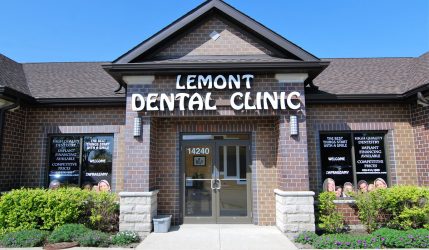
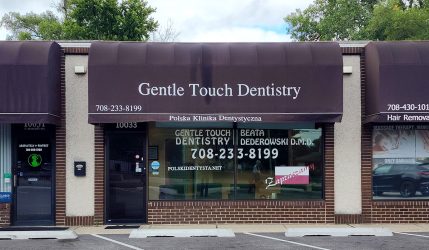
In Lemont, IL, most dental problems start small and grow when left unchecked. Preventive dental care gives us a chance to find those problems early — before they turn into something that needs a filling, a root canal, or an extraction. We see kids, adults, and seniors, and we welcome new patients at both our Lemont and Palos Hills locations.
This page covers what preventive dental care includes, who needs it most, and how to get the most out of every visit. If you are overdue for a cleaning or exam, we can get you scheduled quickly.
One appointment covers more than most people expect.
What Preventive Dental Care Includes at Every Visit
When you come in for preventive dental care, we do not just clean your teeth and send you home. We start with a full exam — teeth, gums, bite, and soft tissues. Then we take X-rays to find decay or bone changes that are not visible during a standard look.
Your hygienist handles the cleaning next, removing plaque and tartar that brushing at home cannot reach. We finish with a fluoride treatment to harden your enamel. Before you leave, we put together a care plan based on what we found — so you know exactly where things stand and what to watch for.
Catching a small problem now avoids a big procedure later.
Why Starting Preventive Care Early Protects Your Teeth Long-Term
A cavity found in the enamel needs a simple filling. That same cavity, left alone, can reach the nerve and need a root canal. The difference is often just one missed appointment. Lemont patients who come in twice a year consistently need fewer major procedures over time.
Gum disease follows the same pattern. In the early stage, it is reversible with a cleaning and better home habits. In the later stage, it is not. We also screen for oral cancer at every preventive visit — a quick check that takes less than two minutes and covers something most patients do not think to ask about.
Fluoride is one of the simplest tools we have — and one of the most effective.
How Fluoride Treatments Help Lemont Patients Reduce Cavities
Fluoride rebuilds weakened enamel and lowers your cavity risk between visits. We apply it directly to your teeth after your cleaning. The whole process takes just a few minutes. We recommend it for kids and for adults who are at higher risk for decay — including anyone dealing with dry mouth.
Seasonal allergies are common across the Chicagoland area, and they often cause dry mouth as a side effect. Dry mouth reduces saliva, which raises your cavity risk. Fluoride is one of the ways we help offset that. We advise you on how often to get a treatment based on your exam results, not a one-size-fits-all schedule.
Skipping a visit does not pause your dental health — it just removes your early warning system.
What Happens When You Skip Preventive Dental Visits
Tartar hardens within days of forming. Once it hardens, brushing cannot remove it — only a professional cleaning can. Gum disease advances quietly, with no pain to warn you. Small cracks and worn fillings go undetected without X-rays. By the time you feel something, the problem has usually been growing for months.
Palos Hills patients who return after a long gap often need updated X-rays and a longer first cleaning visit to catch up. We do not judge gaps in care — we just need a full picture before we move forward. The sooner you come back in, the more options we have.
What you do at home between visits matters as much as what we do in the chair.
How to Build a Preventive Care Routine Between Appointments
We send every Lemont patient home with a written care plan after each visit. It outlines exactly what to do based on your exam findings — not generic advice. Here is what most plans include:
Brush twice daily with fluoride toothpaste, two minutes each time
Floss once daily to clean between teeth where your brush cannot reach
Drink water after meals to rinse away acids and sugar
Avoid hard foods that crack teeth or put stress on existing fillings
Note any sensitivity or changes and bring them up at your next visit
Small habits, done consistently, extend the value of every cleaning and exam.
GENTLE TOUCH DENTISTRY
10033 S. Roberts Rd. Palos Hills, IL 60465
Phone: 708-233-8199
LEMONT DENTAL CLINIC
14240 McCarthy Rd. Lemont, IL 60439
Phone: 630-914-1500
Quick answers to the questions we hear most.
Frequently Asked Questions
How often should I come in for preventive dental care in Lemont?
Most patients need two visits per year. Patients at higher risk for gum disease or cavities may need three to four visits annually — we advise you after your first exam.
Is preventive dental care the same as a routine checkup?
A routine checkup is one part of preventive care. A full preventive visit also includes a professional cleaning, fluoride treatment, X-rays, and a written home care plan.
At what age should my child start preventive dental visits in Lemont?
We recommend the first visit by age one or when the first tooth appears — whichever comes first. Starting early helps kids get comfortable and lets us track their development from the beginning.