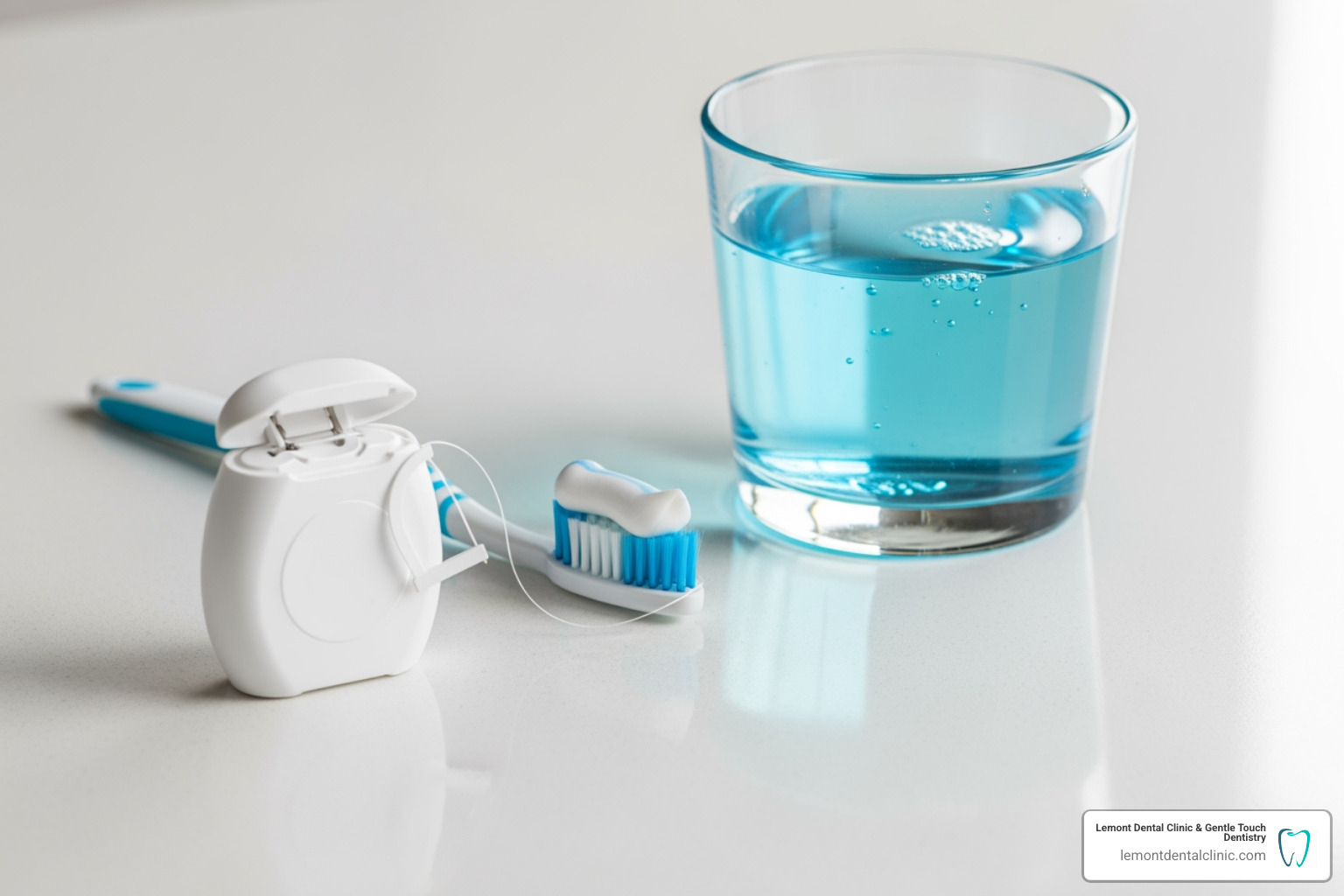
Mouthwash before or after brushing is a question that confuses many people standing at their bathroom sink. The answer isn’t as simple as you might hope.
Quick Answer:
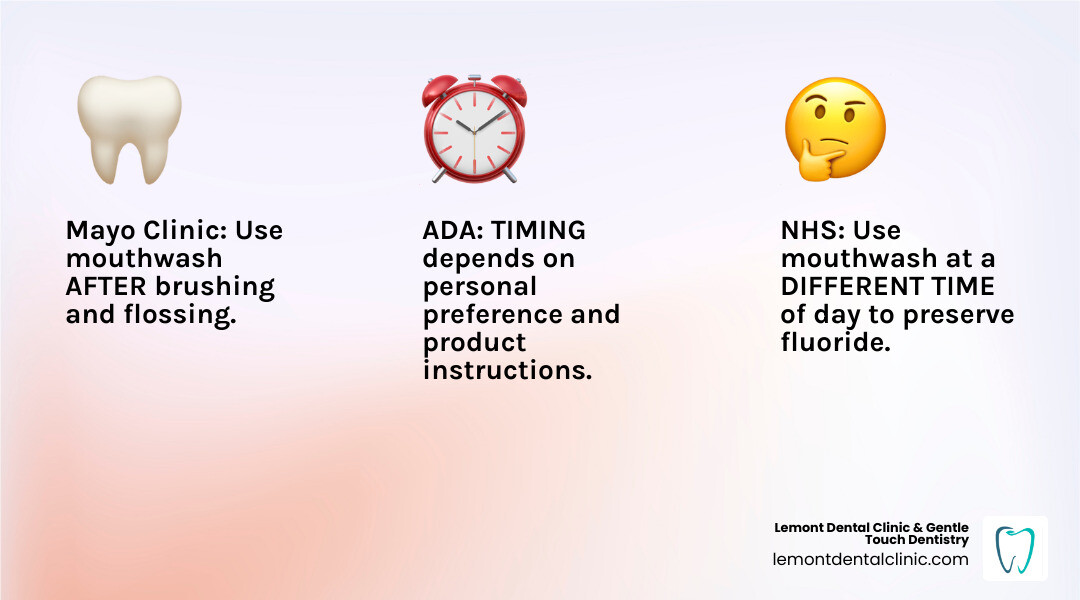
Mayo Clinic recommends: After brushing and flossing
NHS (UK) recommends: At a different time of day (not right after brushing) to avoid washing away fluoride from toothpaste
American Dental Association (ADA) says: Either before or after based on personal preference and product label instructions
Scientific research suggests: Using fluoridated mouthwash before brushing may reduce enamel erosion
The truth is, there’s no single correct answer that works for everyone. Different reputable health organizations offer conflicting advice because the research on optimal timing is limited. Your best choice depends on your specific dental goals, the type of mouthwash you use, and what your toothpaste contains.
Here’s what we know for certain:
Using mouthwash immediately after brushing can rinse away the concentrated fluoride from your toothpaste
Brushing only targets about 25% of your mouth, whereas mouthwash targets virtually 100%.
Mouthwash should complement your routine, not replace brushing or flossing
Most people wonder about this because they want to maximize the benefits of both their toothpaste and their mouthwash. That’s a smart goal. The fluoride in your toothpaste strengthens enamel and prevents cavities. But if you rinse it away too quickly with mouthwash, you lose some of those benefits.
On the other hand, using mouthwash before brushing can help loosen plaque and debris, making your brushing more effective. Some studies even suggest this approach may protect against enamel erosion.
The bottom line: Your routine should fit your needs. If you use fluoride toothpaste and want maximum cavity protection, consider using mouthwash at a different time—like after lunch. If you struggle with plaque buildup, rinsing before brushing might work better for you.
I’m Piotr Dederowski, and as the dental professional behind Lemont Dental Clinic & Gentle Touch Dentistry, I’ve guided countless patients through questions about mouthwash before or after brushing and helped them build routines that work for their specific needs. In this guide, I’ll break down the science, the expert recommendations, and the practical steps you can take to optimize your oral hygiene routine for a healthier mouth.
The Great Debate: Mouthwash Before or After Brushing?
When it comes to maintaining excellent oral hygiene, many of us diligently brush and floss. But then we reach for the mouthwash, and a common question arises: mouthwash before or after brushing? It’s a debate that sparks confusion, primarily because even leading dental authorities offer different perspectives. Our goal at Lemont Dental Clinic & Gentle Touch Dentistry is to help you understand these viewpoints so you can make the best decision for your unique oral health.
What the Experts Recommend
The lack of a single, universally agreed-upon answer highlights the nuanced nature of oral care. Let’s look at what some of the most reputable organizations advise:
American Dental Association (ADA): The ADA takes a flexible approach, stating you can use mouthwash before or after brushing based on personal preference. They advise checking the product label, as manufacturers often provide instructions based on the ingredients to maximize effectiveness. You can learn more about the ADA’s general stance on mouthrinse.
National Health Service (NHS): The NHS in the UK focuses on fluoride benefits, advising against using mouthwash right after brushing. This is because rinsing can wash away the concentrated fluoride from your toothpaste before it has time to strengthen enamel. They suggest using mouthwash at a different time of day, like after lunch, to get the benefits of both products without interference. For more detailed advice, you can refer to the NHS guidelines on keeping teeth clean.
Mayo Clinic: The Mayo Clinic recommends using mouthwash after brushing and flossing. Their rationale is that once plaque and debris are mechanically removed, mouthwash acts as a final rinse to clean remaining particles and reach missed areas. This approach aims for maximum cleaning effectiveness. The Mayo Clinic’s expert answers on brushing provide further context.
As you can see, there isn’t a simple “yes” or “no.” The choice for mouthwash before or after brushing often comes down to balancing these different, yet valid, considerations.
The Fluoride Factor: How Timing Impacts Toothpaste Effectiveness
Fluoride is a key factor in this debate. Fluoride toothpaste leaves a protective layer on your teeth that remineralizes enamel and prevents decay. Rinsing with mouthwash immediately after brushing can wash away this beneficial fluoride, which is why the NHS recommends using mouthwash at a different time. This allows the fluoride to remain on your teeth longer, maximizing its effects.
However, it’s not always clear-cut. A scientific study suggested that using a fluoridated mouth rinse before brushing can reduce enamel erosion, offering a different type of protective benefit.
If your main goal is cavity prevention, consider using mouthwash at a separate time. For those seeking additional protection, we also offer Fluoridation services at our Lemont and Palos Hills clinics, which can provide a professional boost to your enamel strength.
Weighing the Pros and Cons of Each Method
Deciding whether to use mouthwash before or after brushing means weighing the potential advantages of each approach. There are valid reasons why some people prefer one method over the other, often tied to their specific oral health concerns or goals. Let’s break down the benefits for both scenarios.
Feature
Mouthwash Before Brushing
Mouthwash After Brushing
Plaque/Debris
Loosens particles, making brushing more effective
Rinses away loosened plaque and debris
Bacteria
Reduces initial bacterial load, pre-cleans the mouth
Kills remaining germs in hard-to-reach areas
Fluoride
May reduce enamel erosion (if fluoridated pre-rinse)
Risk of washing away fluoride from toothpaste
Fresh Breath
Helps combat morning breath/stale taste
Provides a lasting fresh feeling
Overall Clean
Prepares mouth for a deeper clean
Finalizes the cleaning process, reaches missed spots
Toothbrush Care
May reduce bacteria transferred to toothbrush bristles
No direct impact on toothbrush hygiene
The Case for Using Mouthwash Before Brushing
Using mouthwash as a pre-rinse offers several advantages. It can loosen plaque and food particles, making your brushing more efficient. Think of it as pre-cleaning your mouth so your toothbrush can more easily sweep away debris. For those with heavy plaque buildup or a “furry” mouth feel in the morning, a pre-brush rinse is especially beneficial as it reduces the initial bacterial load.
Additionally, some research suggests a pre-brush rinse can be beneficial for enamel. A scientific study found that using a fluoridated mouth rinse before brushing can reduce enamel erosion. We recommend this method if you feel your brushing isn’t as effective as you’d like or want an extra step to tackle morning breath.
The Case for Using Mouthwash After Brushing
Using mouthwash after brushing and flossing feels like a natural final step for many. After you’ve brushed and flossed, a mouthwash rinse acts as a final sweep. While brushing only cleans about 25% of your mouth, mouthwash reaches nearly 100%, including the tongue, cheeks, and roof of the mouth, ensuring a comprehensive clean.
Key benefits include:
Kills leftover germs: Antiseptic mouthwashes eliminate remaining bacteria that cause plaque, gingivitis, and bad breath.
Freshens breath: This is the most immediate benefit, leaving your mouth feeling minty fresh.
Provides a final clean feeling: It completes the routine, leaving you feeling refreshed.
The Mayo Clinic recommends this order for maximum effectiveness. Applying therapeutic ingredients to an already clean mouth allows them to work more efficiently on teeth and gums.
Building the Optimal Oral Hygiene Routine
While the debate over mouthwash before or after brushing is important, it’s crucial to remember that mouthwash is just one component of a comprehensive oral hygiene strategy. The foundation of a healthy smile lies in a consistent routine that includes flossing, brushing, and tongue cleaning. At Lemont Dental Clinic & Gentle Touch Dentistry, we emphasize a holistic approach to ensure every part of your mouth receives the attention it deserves.
Step 1: Floss to Remove Trapped Debris
Many wonder about the ideal order for oral care. Studies show that flossing before brushing is the best sequence for removing plaque, the main cause of gum infections. Flossing removes food and plaque from between teeth and under the gumline—areas a toothbrush can’t reach. This pre-cleaning allows fluoride from your toothpaste to better access all tooth surfaces.
To floss effectively, use about 18 inches of floss, curve it into a C-shape against each tooth, and gently slide it up and down, going slightly below the gum line. This step is critical if you have gum disease, for which we offer advanced solutions like Deep Cleaning.
Step 2: Brush Thoroughly and Effectively
After flossing, it’s time to brush. The goal is to clean thoroughly for 2-3 minutes, twice a day. Many electric toothbrushes have timers to help.
How to brush properly:
Angle: Hold your brush at a 45-degree angle to your gum line.
Motion: Use gentle, short, circular, or vertical strokes. Avoid harsh scrubbing.
Coverage: Clean all surfaces of every tooth, including the backs of your molars.
Soft Bristles: Always use a soft-bristled toothbrush.
While manual brushes are effective, an automated toothbrush can offer benefits by ensuring a consistent and thorough clean. However, proper technique is most important.
Step 3: Clean Your Tongue
Tongue cleaning is a critical, often overlooked step for fresh breath and oral health. The tongue’s surface harbors debris and bacteria, and a coating can form, which is a major cause of bad breath (halitosis). Brushing or scraping your tongue physically removes this buildup.
We recommend cleaning your tongue twice daily, especially in the morning. Use a dedicated tongue scraper or the back of your toothbrush. This step, combined with flossing and brushing, creates a powerful defense against plaque, cavities, and bad breath.
Choosing and Using Mouthwash Correctly
Once you’ve mastered flossing, brushing, and tongue cleaning, incorporating mouthwash can be an excellent “added boost” to your routine. However, choosing the right type and using it correctly are crucial to maximizing its benefits without inadvertently causing any issues.
Types of Mouthwash and Their Purpose
Not all mouthwashes are the same. They have different active ingredients for various concerns.
Cosmetic Mouthwash: Primarily freshens breath and masks odors without treating underlying issues.
Therapeutic Mouthwash: Contains active ingredients to prevent or reduce oral conditions.
Fluoride Rinses: Strengthen enamel and prevent cavities, beneficial for those prone to decay.
Antiseptic/Antibacterial Rinses: Contain ingredients like chlorhexidine or essential oils to kill bacteria, reduce plaque, and prevent gingivitis.
Whitening Rinses: Contain agents like hydrogen peroxide to help remove and prevent surface stains.
Other Ingredients to Consider:
Alcohol: Can cause dry mouth, which may worsen bad breath and increase cavity risk. We often recommend alcohol-free options.
Astringent Salts: Ingredients like zinc chloride can help control bad breath.
When choosing, consider your dental goals (cavity protection, gum health, fresh breath) and check the label. Our team at Lemont Dental Clinic & Gentle Touch Dentistry can help you select the best option for your needs.
Common Mistakes to Avoid When Rinsing
Using mouthwash seems simple, but common mistakes can reduce its effectiveness. Avoid these pitfalls:
Rinsing with Water Immediately After: Rinsing with water (or mouthwash) right after brushing washes away the concentrated fluoride from your toothpaste. Wait at least 30 minutes to allow the fluoride to work.
Using the Wrong Amount: Follow the bottle’s instructions (usually 20ml). Too little is ineffective; too much is wasteful.
Swallowing Mouthwash: Mouthwash is not meant to be ingested. It contains ingredients that can be harmful if swallowed. Always spit it out.
Overusing Mouthwash: More isn’t better. Overusing strong antiseptic rinses can disrupt your mouth’s natural bacterial balance, leading to dry mouth or irritation. Stick to once or twice daily.
Substituting for Brushing or Flossing: Mouthwash is a supplement, not a replacement. It cannot physically remove plaque like brushing and flossing can.
Diluting Mouthwash: Do not dilute mouthwash with water unless instructed. This reduces the concentration of active ingredients, making it less effective.
Ignoring Expiration Dates: Mouthwash expires, usually 2-3 years after opening. The active ingredients can degrade, making the product less effective.
By avoiding these common mistakes, you can ensure your mouthwash is working as hard as possible to support your overall oral health.
Frequently Asked Questions about Mouthwash Use
We hear a lot of questions about mouthwash in our Lemont and Palos Hills offices. Here are some of the most common ones we address:
Can mouthwash replace brushing or flossing?
No, absolutely not. This is one of the most important messages we convey to our patients. Mouthwash is an excellent adjunct to your oral hygiene routine, but it is not an appropriate substitute for brushing or flossing. Brushing and flossing are essential for the mechanical removal of plaque, food debris, and bacteria from your teeth surfaces and between your teeth and under the gum line. Mouthwash can rinse, kill some bacteria, and freshen breath, but it lacks the physical action needed to thoroughly clean your teeth and gums. Think of it as a helpful assistant, not the main cleaner.
How often should I use mouthwash?
Most dentists recommend using mouthwash once or twice daily. For maximum fluoride absorption from your toothpaste, consider using mouthwash at a different time than brushing, such as after lunch. This gives the fluoride more time to protect your teeth. If you use an antiseptic mouthwash for gum health, your dentist may recommend a specific frequency.
Are there any natural alternatives to traditional mouthwash?
Yes, several natural alternatives exist, though they may not have the same therapeutic effects as commercial products.
Salt Water Rinses: A simple mix of one teaspoon of salt in 8 ounces of warm water is great for soothing irritated gums. It promotes healing but doesn’t offer the cavity protection of fluoride.
Baking Soda Rinses: Baking soda can neutralize acids and has antibacterial properties. A mix of 1/4 teaspoon baking soda and 1/8 teaspoon salt in 1 cup of warm water can be beneficial.
Peppermint Oil: Diluted peppermint oil in water offers a refreshing rinse.
These alternatives can be useful but don’t replace the targeted benefits of therapeutic mouthwashes for issues like cavities or gingivitis. Consult with us before changing your routine, especially if you have existing dental conditions.
Achieve Your Healthiest Smile with a Consistent Routine
The journey to a healthier mouth is built on consistency and informed choices. While the debate over mouthwash before or after brushing might seem complex, the truth is that the best oral hygiene routine is one you follow diligently every single day. Whether you choose to rinse before or after brushing often depends on your specific dental goals and the type of mouthwash you’re using. If fluoride retention is paramount, perhaps a separate rinsing time is best. If loosening debris is your aim, a pre-brush rinse could be beneficial.
Regardless of your mouthwash timing preference, the fundamental steps of flossing, brushing thoroughly, and cleaning your tongue are non-negotiable pillars of excellent oral health. These actions mechanically remove the plaque and bacteria that lead to cavities and gum disease.
At Lemont Dental Clinic & Gentle Touch Dentistry, we believe in empowering our patients in Lemont, Palos Hills, and surrounding Illinois communities with the knowledge and tools they need for optimal oral care. For personalized advice custom to your unique dental needs, it’s always best to consult with a professional. We can help you steer the nuances of mouthwash timing, recommend the best products for your specific concerns, and ensure your entire routine is working effectively for you. The team at Lemont Dental Clinic & Gentle Touch Dentistry is here to help you perfect your routine during your next Regular Cleaning.