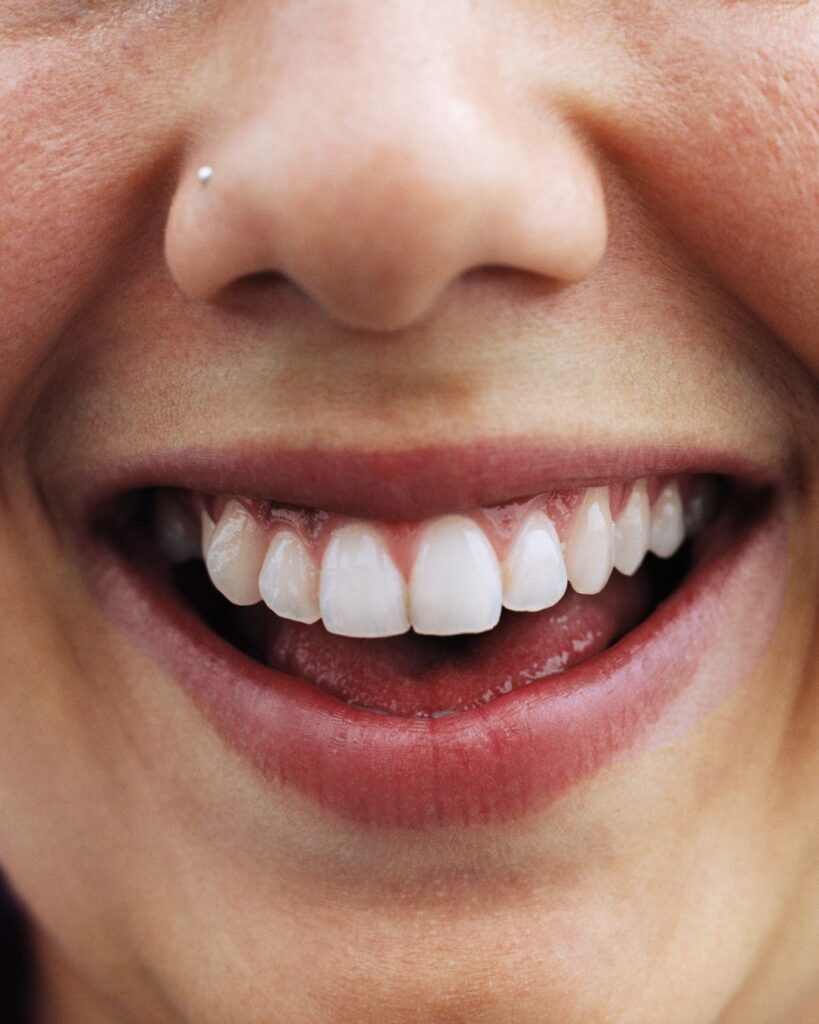
Cosmetic dental bonding in Lemont IL repairs chipped, gapped, and discolored teeth using tooth-colored resin applied directly to the tooth surface. We shape and polish the resin at your appointment so it blends with the teeth around it. Our cosmetic dental office serves patients in both Lemont and Palos Hills. Most bonding cases finish in a single visit with no lab work needed.
This page covers how bonding works, which problems it fixes, and what to expect when you come in. Your dentist checks your tooth first to confirm bonding is the right fit. You leave the same day with the repair done.
The Same-Day Fix for Front Teeth in Lemont and Palos Hills
Cosmetic Dental Bonding Fixes Chips, Gaps, Discoloration, and Uneven Edges in Lemont and Palos Hills IL
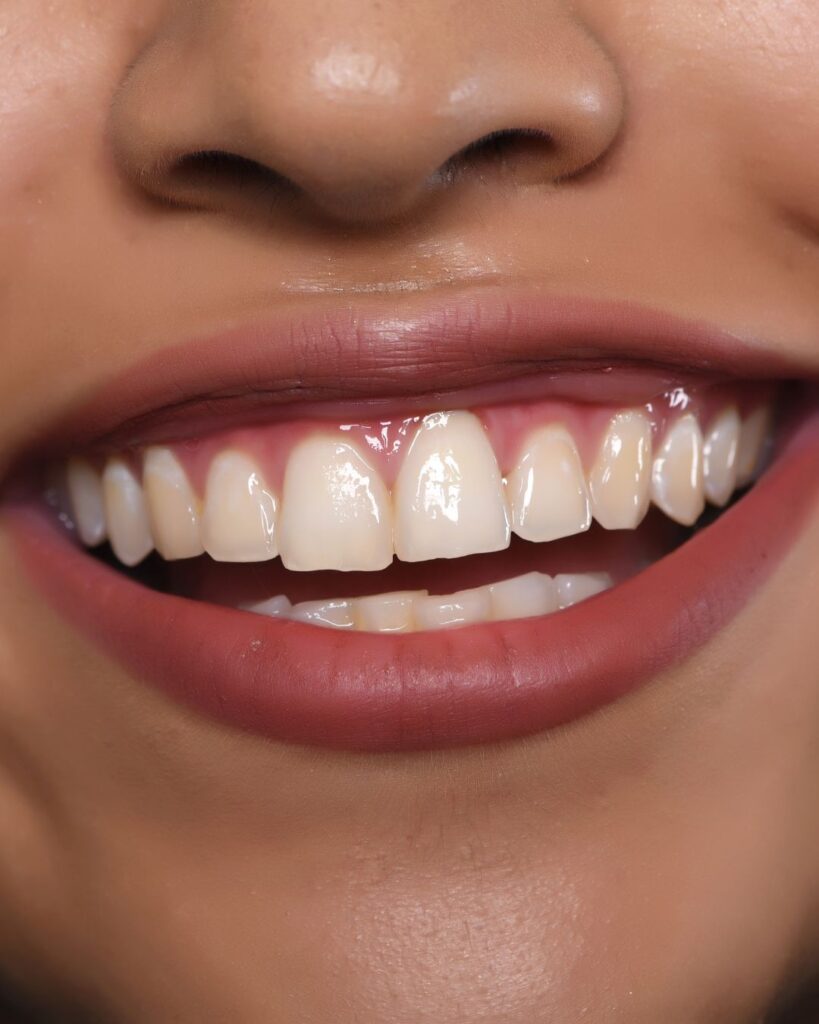
Cosmetic dental bonding in Lemont IL addresses front teeth that have a chipped edge, a visible gap, surface staining, or an uneven shape. We apply tooth-colored resin directly to the affected area and sculpt it by hand. One appointment covers the full repair — no impressions, no lab, no return visit.
Patients in Lemont IL often book bonding after noticing a chip in a photo or video call. The repair can happen the same day you come in. If more than one tooth needs bonding, we assess all of them at your first visit and handle as many as your appointment allows.
Why the Exam Comes First at Our Lemont and Palos Hills Office
Your Dentist in Lemont and Palos Hills IL Checks Your Teeth Before Recommending Bonding
Your dentist examines the affected tooth before recommending bonding. We check that the enamel is healthy enough to hold the resin and that your bite will not put excess pressure on the repair. If a crown or veneer would serve the tooth better, we tell you that at the exam — not after the work is done.
Patients near the Old Quarry Road area of Lemont often come in comparing bonding to veneers and wanting a straight answer. The exam gives you one. We look at how much of the tooth surface is affected and which option holds up better for your specific situation.
One Visit From Start to Finish for Lemont and Palos Hills Patients
Cosmetic Dental Bonding in Lemont and Palos Hills IL Is Completed in a Single Appointment
Bonding starts and finishes in one chair time. We select a resin shade that matches your surrounding teeth, apply it to the prepared surface, shape it by hand, then harden it with a curing light. You leave with the repair done and no temporary restoration to manage in between.
Patients who work weekday schedules in Palos Hills frequently ask about same-day cosmetic options. Bonding is the only cosmetic procedure we complete start-to-finish without a lab step. If your schedule is tight, bonding is often the most practical fix for a front tooth problem.
How the Resin Matches Your Teeth at Our Lemont and Palos Hills Office
The Bonding Process Shapes Resin Directly on Your Tooth for a Natural Look in Lemont and Palos Hills
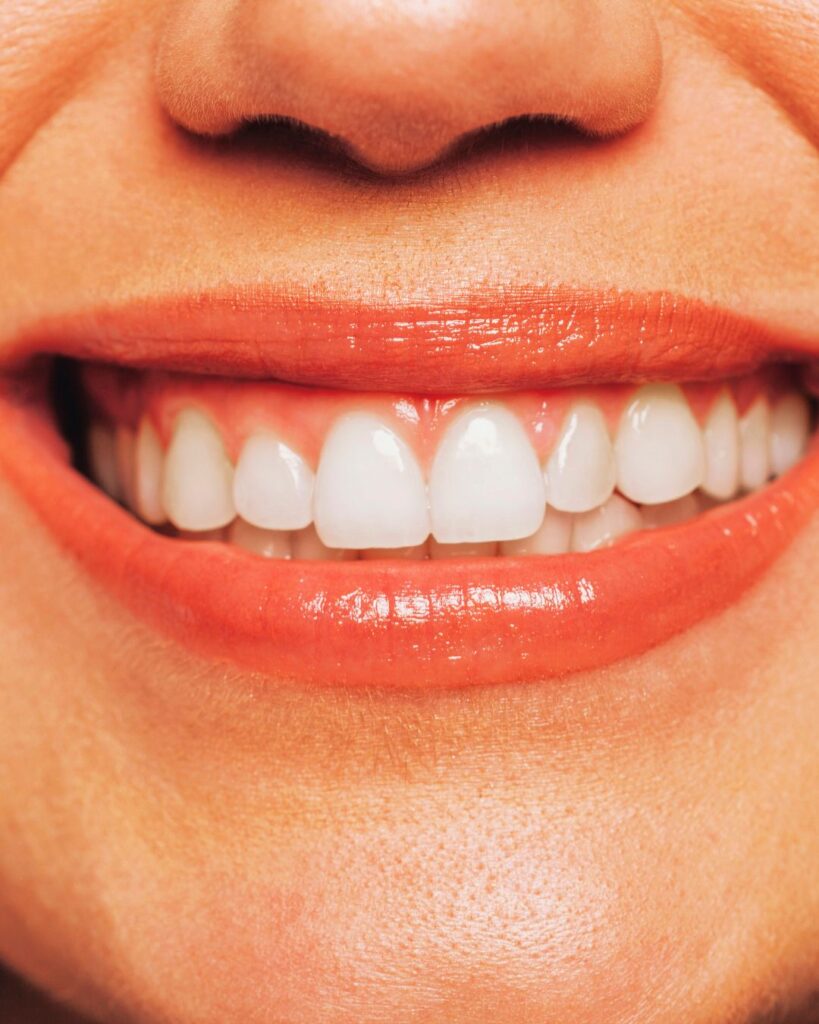
We choose a resin shade from a color guide matched against your surrounding teeth before we start. The resin is applied in layers, sculpted to the correct shape, then hardened with a curing light. After hardening, we polish the surface so it reflects light the same way natural enamel does. The result blends in rather than standing out.
Patients from the Sycamore Hills area of Palos Hills often ask whether bonding looks different under office lighting versus natural light. Properly matched and polished resin holds its appearance across both. We check the result under different light conditions before you leave the chair.
Daily Care That Protects Your Bonding in Lemont and Palos Hills
Bonding Results Last Longer When Lemont and Palos Hills IL Patients Follow a Few Simple Habits
Bonding does not require a new cleaning routine. Brush and floss the same way you do now. What shortens bonding life most is biting hard objects — ice, fingernails, hard candy — and repeated grinding pressure overnight. Avoiding those habits keeps the resin bonded and the edges intact.
Lemont and Palos Hills winters increase jaw clenching for some patients. Before or after bonding placement, your dentist discusses whether a night guard makes sense for your bite. Resin chips under sustained grinding pressure, and a guard is the most direct way to prevent that.
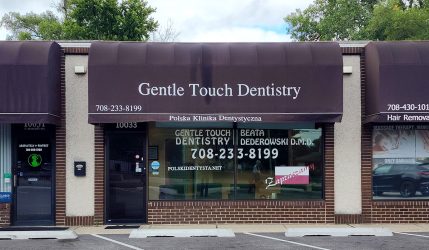
GENTLE TOUCH DENTISTRY
10033 S. Roberts Rd. Palos Hills, IL 60465
Phone: 708-233-8199
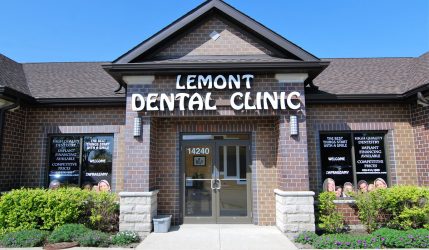
LEMONT DENTAL CLINIC
14240 McCarthy Rd. Lemont, IL 60439
Phone: 630-914-1500
Quick answers to the questions we hear most.
Frequently Asked Questions
Is cosmetic dental bonding the same as a filling in Lemont and Palos Hills IL?
No — bonding uses the same tooth-colored resin material as a filling, but it is applied to the outside surface of a tooth for cosmetic reasons rather than to repair a cavity. The process and material overlap, but the purpose and placement are different.
How long does cosmetic dental bonding last in Lemont and Palos Hills IL?
Bonding typically lasts several years with normal daily care. How long it holds depends on which tooth was bonded, the pressure your bite puts on that area, and your daily habits. Your dentist reviews what to expect based on your specific tooth at your visit.
Does cosmetic dental bonding in Lemont and Palos Hills IL hurt?
Most bonding requires no anesthetic and causes no pain during the procedure. If the chip or affected area sits close to the nerve, your dentist discusses comfort options before starting. The procedure itself is quick and does not involve drilling in most cases.
Can bonding fix more than one tooth at the same Lemont and Palos Hills IL appointment?
Yes — multiple teeth can be bonded in a single visit depending on how many are involved and how much shaping each one requires. Your dentist confirms at the exam how many can be completed during your scheduled appointment time.