What You Need to Know About Adjunctive Dental Services
What are adjunctive dental services is a common question — and a simple one to answer:
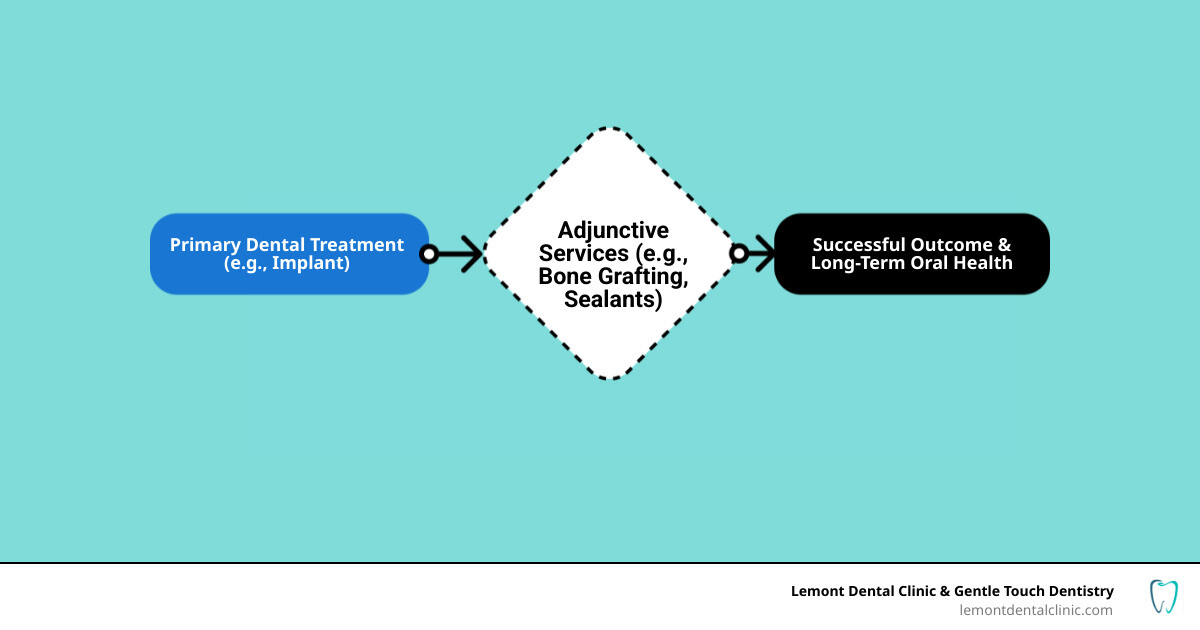
Adjunctive dental services are additional procedures performed before, during, or after a primary dental treatment to support its success and improve your overall oral health outcomes.
Here’s a quick overview of what that means in practice:
They are not standalone treatments — they work alongside your main dental procedure
They are clinically necessary — recommended to help your primary treatment succeed
They cover a wide range — from bone grafting and gum grafting to sedation, sealants, and fluoride treatments
Coverage varies — some are covered by insurance when deemed medically necessary; others may require pre-authorization
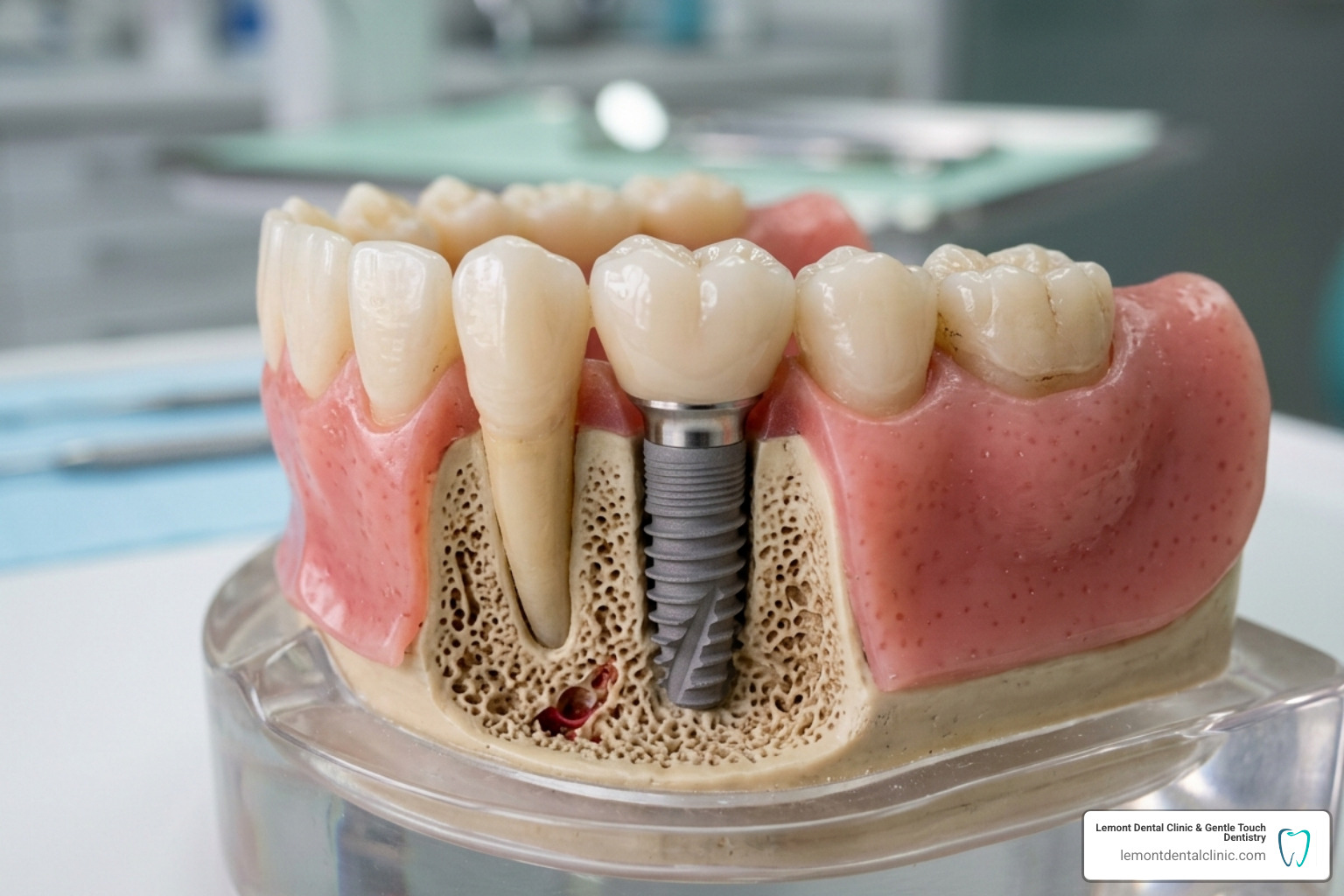
Think of it this way: if you need a dental implant but your jawbone isn’t strong enough, bone grafting is the adjunctive service that makes the implant possible. One supports the other.
These services often go unnoticed — but without them, many primary treatments simply wouldn’t work as well, or at all.
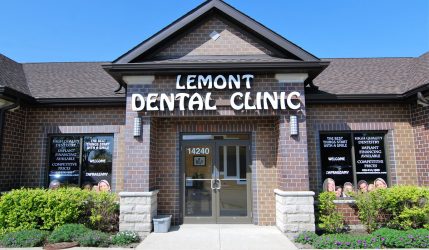
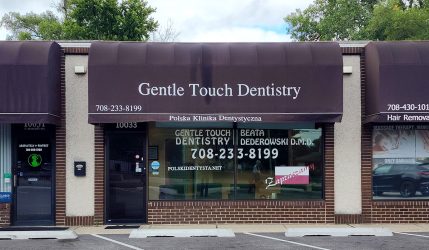
At Lemont Dental Clinic & Gentle Touch Dentistry, adjunctive care is a core part of how we build comprehensive, lasting treatment plans for every patient.
What are adjunctive dental services terms simplified:
When we talk about What does ‘Adjunctive’ mean?, we are looking at the “supporting cast” of the dental world. In clinical terms, an adjunctive procedure is a treatment required to ensure the success of a primary operation. You might hear them referred to as supplementary, subsidiary, or additional dental operations.
At our clinics in Lemont and Palos Hills, we view these services as essential building blocks. They aren’t just “extras” tacked onto a bill; they are often the clinical necessity that stands between a treatment failing and a treatment lasting a lifetime. Whether it is preparing the jaw for a prosthetic or managing a patient’s anxiety, these services fulfill a vital support role.
When you explore Our Services, you’ll see that many of our high-success restorative treatments rely heavily on these adjunctive steps. For instance, if you are undergoing a complex surgery, the local anesthesia or IV sedation used is technically an adjunctive service—it supports the primary goal of the surgery by making it possible for the patient to remain still and comfortable.
Common Examples of Adjunctive Dental Procedures
To better understand what are adjunctive dental services, it helps to look at the specific procedures we perform every day. These are often categorized by the type of primary care they support, such as implants, root canals, or general surgery.
Bone Grafting and Gum Grafting
One of the most common uses for adjunctive care is in the field of Dental Implants. For an implant to be successful, it must be surrounded by sufficient, healthy bone. If a patient has experienced bone loss due to age or tooth loss, we perform a bone graft. This “subsidiary” procedure creates the foundation necessary for the implant to anchor securely. Similarly, gum grafting (soft tissue augmentation) may be needed to ensure there is enough healthy tissue to protect the implant or to correct recession for aesthetic reasons.
Crown Lengthening
Sometimes, a tooth is broken or decayed so close to the gum line that there isn’t enough “room” to attach a crown. In these cases, we perform crown lengthening. This adjunctive procedure involves reshaping the gum tissue and sometimes the bone to expose more of the natural tooth, allowing for a successful Root Canal follow-up or crown placement.
Sedation Dentistry
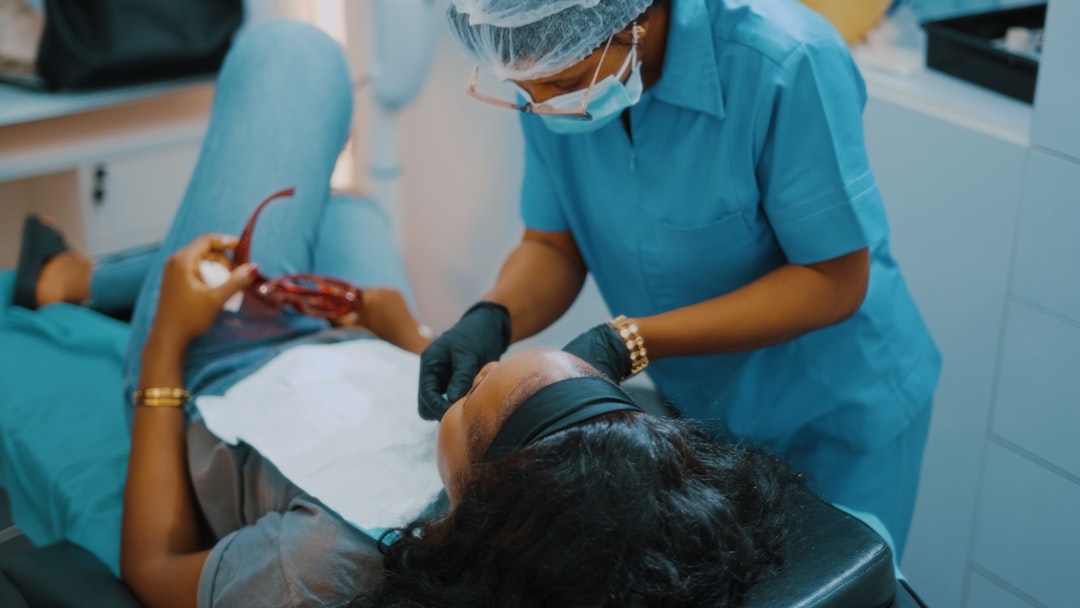
For many of our neighbors in Palos Park and Oak Lawn, dental anxiety is a real barrier to care. Sedation dentistry—including nitrous oxide (laughing gas), oral sedatives, or IV sedation—is a key adjunctive service. It supports the primary General Dentistry Services by ensuring the patient is relaxed enough for the doctor to perform the work safely and efficiently.
Preventive and Diagnostic Adjunctive Dental Services
Not all adjunctive care is surgical. Many services focus on prevention and early detection, acting as a support system for your long-term oral health.
Dental Sealants: We often recommend a sealant for the molars. While the primary goal is a routine check-up, the sealant acts as a supplementary barrier against plaque and cavities.
Fluoride Treatments: Professional fluoridation is an adjunctive service that strengthens the enamel, supporting the success of your daily hygiene routine.
Oral Cancer Screening: This is a diagnostic adjunctive service performed during a regular exam to catch potential issues before they become life-threatening.
Digital X-rays and 3D Imaging: These are essential diagnostic tools that support every other treatment we provide, from identifying a cavity to planning an implant.
Periodontal Maintenance: A Deep Cleaning (scaling and root planing) is often an adjunctive step required before moving forward with restorative or cosmetic work, ensuring the “soil” (your gums) is healthy before we plant the “seed” (the restoration).
Orthodontic and Surgical Adjunctive Dental Services
In orthodontics, adjunctive services help move teeth into their ideal positions more effectively.
Palatal Expanders and Elastics: These are supplementary tools used alongside braces or Invisalign Near Me to correct bite issues and jaw alignment.
Retainers: Once the primary orthodontic treatment is finished, the retainer is the adjunctive service that ensures the teeth stay in their new, correct positions.
Tooth Extraction: While an extraction might seem like a primary service, it is often adjunctive. For example, a Tooth Extraction might be necessary to create space for orthodontic alignment or to remove a damaged tooth to stabilize the jaw after an injury.
Why These Services Are Essential for Treatment Success
Why do we emphasize these procedures? Because skipping them often leads to suboptimal results. Below is a comparison of how primary treatments fare with and without the right adjunctive support.
Primary Treatment
Without Adjunctive Support
With Adjunctive Support
Dental Implant
High risk of implant failure due to weak bone.
Bone grafting ensures stability and longevity.
Orthodontics
Teeth may shift back or bite may remain unaligned.
Adjunctive services are critical for infection control and bone stability. When we place Crowns And Bridges, we aren’t just looking at the porcelain; we are looking at the health of the underlying tooth and gums. If we place fillings in a mouth that isn’t properly treated for high acidity or bacteria, those fillings won’t last.
Beyond health, there is the element of aesthetic enhancement. Many adjunctive services, like gum contouring, are what take a smile from “functional” to “beautiful,” correcting things like a “gummy smile” or uneven gum lines.
Insurance, Billing, and Referrals for Adjunctive Care
Navigating the financial side of what are adjunctive dental services can be a bit more complex than routine cleanings. Because these services are “additional,” insurance companies often scrutinize them closely.
Coding and Billing
Dental practices use specific CDT (Current Dental Terminology) codes to bill for these services. For example:
D9920: Behavior management (often used for patients with special needs).
D9230: Inhalation of nitrous oxide.
D4341: Periodontal scaling and root planing.
Proper documentation is key. According to Understanding Dental Adjunctive Services in Billing, many claims are denied because the “medical necessity” isn’t clearly explained. Our team at Lemont Dental Clinic works hard to provide the detailed narratives and X-rays required to help your insurance provider understand why a bone graft or a specific type of anesthesia was necessary for your procedure.
Coverage and Pre-authorization
Coverage for adjunctive care varies wildly. Some plans consider certain procedures “inclusive,” meaning they think the cost should be covered by the primary procedure’s fee. Others will cover them only if they are medically necessary. For example, TRICARE and other medical-based plans might cover a tooth extraction if it’s required to stabilize a broken jaw, but not if it’s purely for elective reasons.
We always recommend obtaining a pre-authorization or pre-determination of benefits. This gives us a clearer picture of your out-of-pocket costs before we start treatment.
Referrals
Do you need a referral? Usually, no. As your general dentists, we can perform many of these adjunctive services right here in our Lemont or Palos Hills offices. However, for highly complex cases—such as advanced bone reconstruction—we may coordinate with a specialist. In these instances, our role is to act as the “quarterback” of your treatment plan, ensuring every adjunctive step aligns with the final goal.
Frequently Asked Questions about Adjunctive Care
Are there any risks associated with adjunctive dental procedures?
Like any clinical procedure, there are minor risks. These can include:
Minor Discomfort: Soreness at the site of a graft or injection.
Infection Risk: Any time the tissue is handled, there is a small risk of infection, which we manage with sterile techniques and sometimes antibiotics.
Allergic Reactions: Rare reactions to local anesthetics or materials used in grafting.
Suboptimal Results: In some cases, a bone graft might not “take” perfectly, requiring a follow-up.
These risks are generally very low and are far outweighed by the benefits of the primary treatment’s success. Following our post-operative care instructions is the best way to minimize these risks.
How are adjunctive dental services billed?
They are billed as separate line items on your treatment plan. We verify your insurance coverage beforehand and use precise CDT coding to maximize your benefits. We believe in transparency, so you will always see these services listed clearly during your consultation so there are no surprises.
Do I need a referral for adjunctive dental care?
In most cases, we provide these services in-house. Our experienced doctors are trained in bone grafting, sedation, and advanced periodontal care. If your insurance plan requires a specialist for a specific “adjunctive” code, we will help you navigate that process and provide the necessary referrals to our trusted network of specialists in the Chicago Ridge and Orland Park areas.
Conclusion
Understanding what are adjunctive dental services helps you see the “big picture” of your oral health. These procedures are the foundation upon which successful, long-lasting smiles are built. Whether it’s a simple fluoride treatment to protect your enamel or a complex bone graft to support a new implant, every adjunctive service we recommend has one goal: your success.
At Lemont Dental Clinic & Gentle Touch Dentistry, we are proud to serve the communities of Lemont, Palos Hills, and the surrounding Illinois suburbs with high-quality, comprehensive care. By combining experienced doctors, the latest technology, and a patient-centered approach, we ensure that every part of your treatment—both primary and adjunctive—is handled with the utmost care.
Ready to start your journey toward a healthier smile? Explore Our Services or contact us today to schedule your consultation. We look forward to helping you achieve the functional, beautiful smile you deserve.