Gum Disease Treatment Cost: What You Can Expect to Pay
Gum disease treatment cost varies widely depending on how advanced the disease is and what procedures you need. Here’s a quick summary to help you budget:
Treatment
Typical Cost Range
Comprehensive periodontal evaluation
~$128
Routine dental cleaning
$75–$200
Scaling and root planing (per quadrant)
$200–$400
Scaling and root planing (full mouth)
$800–$1,600
Localized antibiotics (per site)
$40–$120
Laser therapy / LANAP (per quadrant)
$1,250–$3,000
Flap / pocket reduction surgery
$1,000–$3,000
Soft tissue graft (first tooth)
~$1,225
Bone grafting (first tooth)
~$613
Dental implant (to replace a lost tooth)
$2,337–$5,000+
Nearly 50% of American adults over 30 have some form of gum disease, according to the CDC. Yet most people don’t know they have it until it’s already caused real damage.
That’s the silent nature of periodontal disease. It rarely hurts in the early stages. By the time symptoms become obvious — bleeding gums, loose teeth, or receding gumlines — the disease may have already progressed significantly.
And here’s the part that surprises most patients: the longer you wait, the more it costs.
A simple deep cleaning for early-stage gum disease can cost a fraction of what advanced surgery runs. Losing teeth to untreated gum disease and replacing them with implants can push your total costs well past $10,000. The financial gap between treating gum disease early versus late is enormous.
This guide breaks down every major treatment cost, explains what drives prices up or down, and shows you practical ways to manage expenses — so you can make a confident, informed decision about your care.
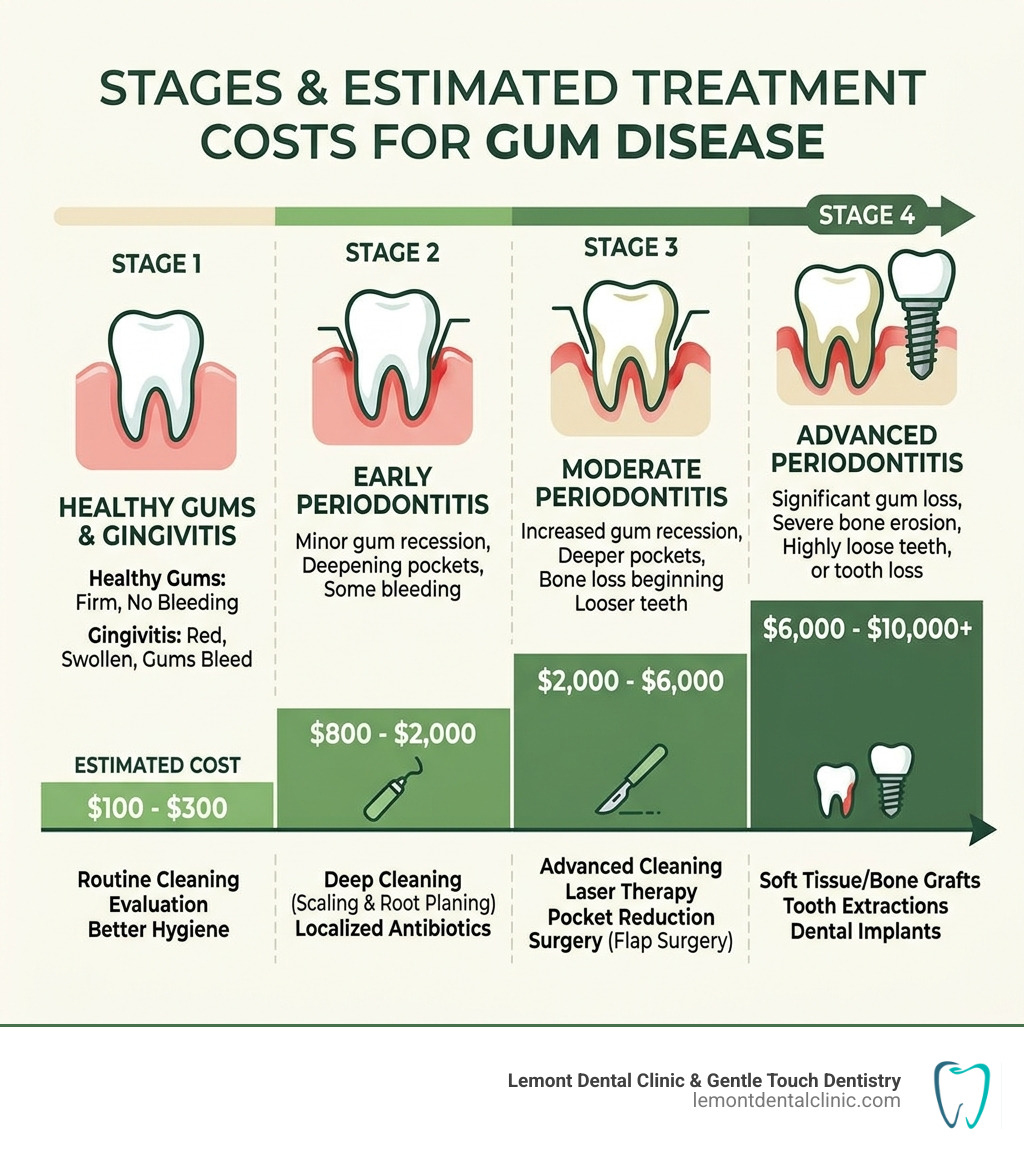
Understanding the Stages and Symptoms of Periodontal Disease
Before we dive into the dollars and cents, it is vital to understand what you are paying to fix. Periodontal disease isn’t just “sore gums”; it is a progressive bacterial infection that destroys the attachment between your teeth and your jawbone.
The Progression of the “Sneaky Enemy”
We often call Periodontal Disease: The Sneaky Enemy of Teeth because it typically begins without pain. It starts with plaque, that sticky film of bacteria that forms on your teeth every day. If you don’t brush and floss it away, it hardens into tartar (calculus). Once tartar forms, you can’t brush it off—only a professional cleaning can remove it.
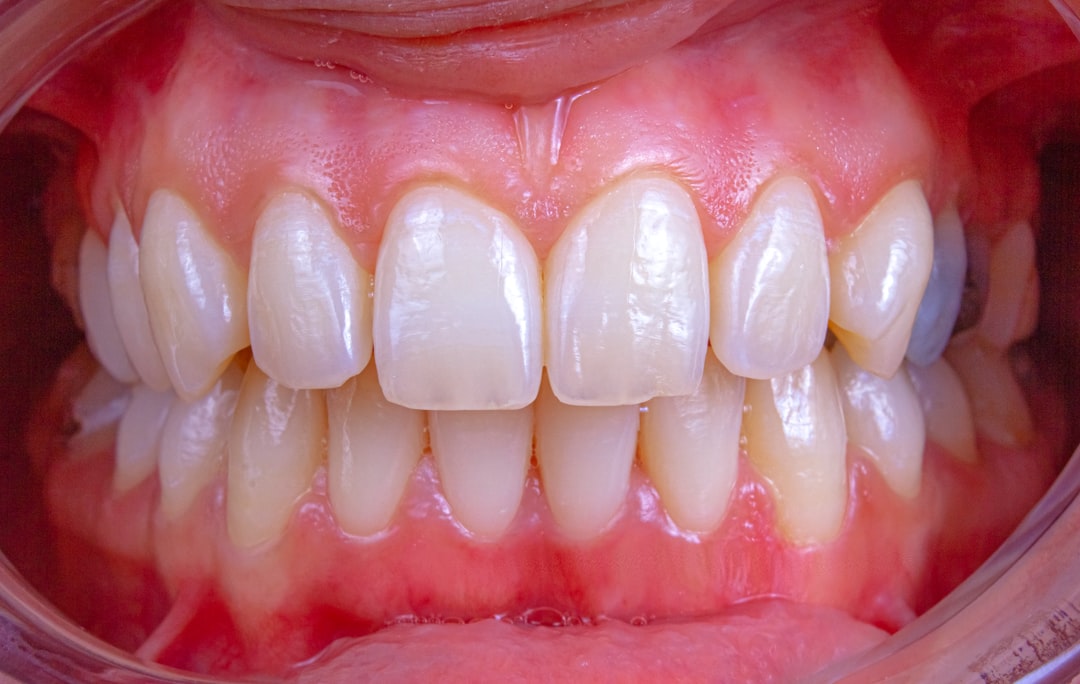
Gingivitis: This is the only reversible stage. Your gums might be red, puffy, or bleed when you floss. At this stage, the gum disease treatment cost is at its lowest because a professional cleaning and improved home care can usually fix it.
Periodontitis: If gingivitis is ignored, the infection moves deeper. The gums pull away from the teeth, creating “pockets” where bacteria hide. These pockets lead to bone loss. Once bone is gone, it doesn’t grow back on its own.
Advanced Periodontitis: Teeth become loose, painful, and may eventually fall out or require extraction.
Beyond Your Mouth: Systemic Health Links
Treating gum disease isn’t just about saving your smile; it’s about saving your life. Research has shown strong links between untreated periodontal disease and serious systemic health issues. The bacteria in your gums can enter your bloodstream, contributing to:
Heart Disease: Increased risk of inflammation in the cardiovascular system.
Diabetes: It’s a two-way street; gum disease makes blood sugar harder to control, and high blood sugar makes gum infections worse.
Strokes and Alzheimer’s: Chronic oral inflammation is linked to cognitive decline and vascular issues.
Breaking Down the Gum Disease Treatment Cost by Procedure
When you receive a treatment plan in Lemont or Palos Hills, the numbers can feel overwhelming. Understanding how these procedures are billed helps demystify the process.
Non-Surgical vs. Surgical Costs
Most patients start with non-surgical therapy. If the infection is caught early enough, surgery might be avoided entirely.
Phase
Procedure
Estimated Cost
Diagnostic
Comprehensive Evaluation & X-rays
$120 – $250
Non-Surgical
Scaling and Root Planing (Deep Cleaning)
$200 – $400 per quadrant
Maintenance
Periodontal Maintenance
$115 – $300 per visit
Surgical
Flap Surgery / Bone Grafts
$600 – $3,000+ per site
Scaling and Root Planing (The “Deep Cleaning”)
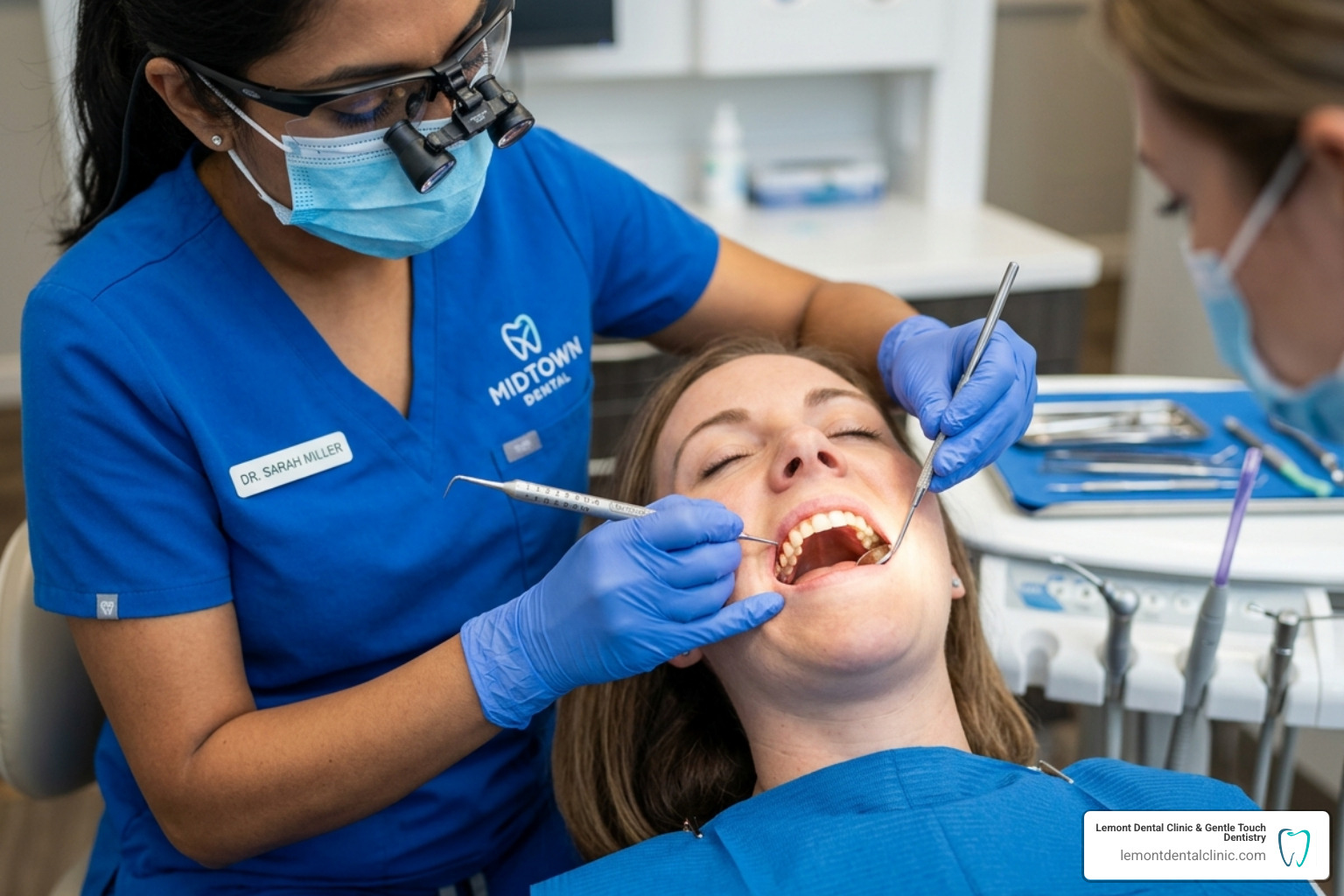
This is the gold standard for treating moderate gum disease. Unlike a regular cleaning that stays above the gumline, a Deep Cleaning involves removing tartar from the roots of the teeth.
Most offices in Illinois charge for this by the quadrant (one-fourth of your mouth). On average, the gum disease treatment cost for a full-mouth deep cleaning ranges from $800 to $1,600. We often use localized antibiotics (like Arestin) placed directly into the gum pockets, which can add $40 to $120 per site but significantly improves healing.
Advanced and Surgical Options
If the pockets are too deep for a standard cleaning to reach, more intensive measures are needed.
Laser Therapy (LANAP): This uses a specific laser to vaporize bacteria and diseased tissue. While it costs more—ranging from $1,250 to $3,000 per quadrant—it often results in less pain and faster recovery.
Receding Gum Treatment: If your gums have pulled back significantly, you may need a soft tissue graft. According to the How Much Is Receding Gum Treatment? guide, these grafts can cost $600 to $3,000 per tooth depending on the technique used.
Bone Grafting: If the infection has eaten away your jawbone, we may need to place bone graft material (averaging $613 per tooth) to stabilize the area.
Factors That Influence Your Total Gum Disease Treatment Cost
Why does one person pay $800 while another pays $8,000? Several variables dictate the final price tag on your treatment plan.
1. Severity of the Disease
This is the biggest factor. Treating a “minor leak” in your gums is much cheaper than fixing a “foundation collapse.” If you have 4mm pockets, you likely only need scaling and root planing. If you have 7mm pockets and bone loss, you’re looking at surgery and regenerative therapies.
2. Number of Quadrants Affected
Gum disease isn’t always uniform. You might have severe infection in the upper right of your mouth but healthy gums on the bottom. Since billing is often per quadrant, the more areas affected, the higher the cost.
3. Provider Expertise: Generalist vs. Specialist
A general dentist may handle mild to moderate cases, while a periodontist (a gum specialist) handles advanced surgeries. Specialists often have higher fees due to their additional years of training and specialized equipment. At Lemont Dental Clinic & Gentle Touch Dentistry, we offer comprehensive care that often allows patients to stay in one office for both their general and periodontal needs, keeping costs more competitive.
4. Geographic Location
Costs in the Chicago metropolitan area, including suburbs like Orland Park, Oak Lawn, and Bolingbrook, tend to follow regional averages for Illinois. While prices here are generally higher than in rural areas, they are competitive for the high level of technology and expertise provided in the Chicago suburbs.
5. Diagnostic Tools and Sedation
A thorough diagnosis requires a full-mouth series of X-rays and detailed periodontal charting (measuring those pockets). If you are anxious about the procedure, sedation options (like nitrous oxide or oral sedation) will add to the total gum disease treatment cost.
Maximizing Insurance and Financing for Gum Disease Treatment Cost
Navigating dental insurance can feel like trying to solve a puzzle with missing pieces. However, understanding your benefits can save you thousands.
Dental PPO and Annual Maximums
Most dental insurance plans view periodontal treatment as a “Basic” or “Major” service.
Preventive Cleanings: Usually covered at 80% to 100%.
Deep Cleanings (Scaling and Root Planing): Typically covered at 50% to 80%.
Surgery: Usually covered at 50%.
The catch is the annual maximum, which is the most the insurance company will pay in a year (often between $1,000 and $2,000). If your treatment plan is $3,000, insurance might pay $1,500, leaving you with the rest.
Strategic Planning: Staging Treatment
If your treatment isn’t an immediate emergency, we can sometimes “stage” the work. For example, we might treat two quadrants in December and the other two in January. This allows you to use two years’ worth of insurance maximums to cover one large treatment plan.
Financing and Tax-Advantaged Funds
HSA/FSA: Since periodontal treatment is a medical necessity, you can use your Health Savings Account or Flexible Spending Account to pay with pre-tax dollars, essentially giving yourself a 20-30% discount.
Third-Party Financing: Many patients utilize services like CareCredit to break the total cost into manageable monthly payments.
Many patients ask, Does Deep Cleaning Hurt? The answer is usually no, as we use local numbing. However, the “hurt” people fear most is often to their wallet. By utilizing these financial tools, that pain is greatly reduced.
The High Price of Inaction: Long-Term Financial Impact
The most expensive thing you can do for your gums is nothing. “Let’s just wait and see” are the costliest words in dentistry.
When gum disease is left untreated, it leads to tooth loss. Replacing a single tooth isn’t cheap:
Extraction: $200 – $500
Dental Implant: $3,000 – $5,000 per tooth
Bone Grafting for Implant: $500 – $1,200
Dentures (Full Arch): $1,500 – $4,000+
If you lose three teeth to gum disease, you could easily spend $10,000 to $15,000 just to get back to where you started. Compare that to an $800 deep cleaning, and the “affordable” choice becomes clear.
Beyond the money, the loss of jawbone density and the impact on your quality of life (difficulty eating steak, embarrassment when smiling) are costs that don’t show up on a bill but are felt every single day.
Frequently Asked Questions about Gum Disease Treatment Cost
Is a deep cleaning the same as a regular cleaning?
No. A regular cleaning (prophylaxis) is for healthy mouths and focuses on the visible part of the tooth. A deep cleaning (scaling and root planing) is a medical treatment for an infection. It goes deep under the gumline to remove bacteria that a toothbrush can’t reach. After a deep cleaning, you will transition to periodontal maintenance every 3-4 months to ensure the bacteria don’t return.
Does dental insurance cover the full gum disease treatment cost?
Rarely. Most plans cover a percentage (50% to 80%) because they consider it a restorative or major service. You will likely have a deductible to meet, and you must stay within your annual maximum. We always recommend a “predetermination” where we send the plan to your insurance first so you know exactly what they will pay before we start.
How can I lower my overall gum disease treatment cost?
The best way is early detection. Catching gingivitis costs about $100 to fix. Catching advanced periodontitis can cost $10,000.
Maintain at-home hygiene: Brushing twice a day and flossing daily is free and prevents the need for expensive work.
Routine checkups: Seeing us every six months allows us to catch issues when they are small.
Ask about financing: Breaking a $1,200 bill into $100 monthly payments makes the care much more accessible.
Conclusion
At Lemont Dental Clinic & Gentle Touch Dentistry, we understand that the gum disease treatment cost can be a significant concern for families in Lemont, Palos Hills, and the surrounding Chicago suburbs. Our mission is to provide high-quality, comprehensive care that fits your budget.
By offering all-in-one care—from initial diagnosis with the latest 3D technology to advanced periodontal therapy—we eliminate the need for multiple specialist visits and extra referral fees. Our experienced doctors focus on saving your natural teeth whenever possible, which is always the most cost-effective long-term solution.
Don’t wait for pain to tell you there’s a problem. Investing in your gum health today prevents the “foundation collapse” of your smile tomorrow. Schedule your deep cleaning today at our Lemont or Palos Hills location and take the first step toward a healthy, affordable smile.