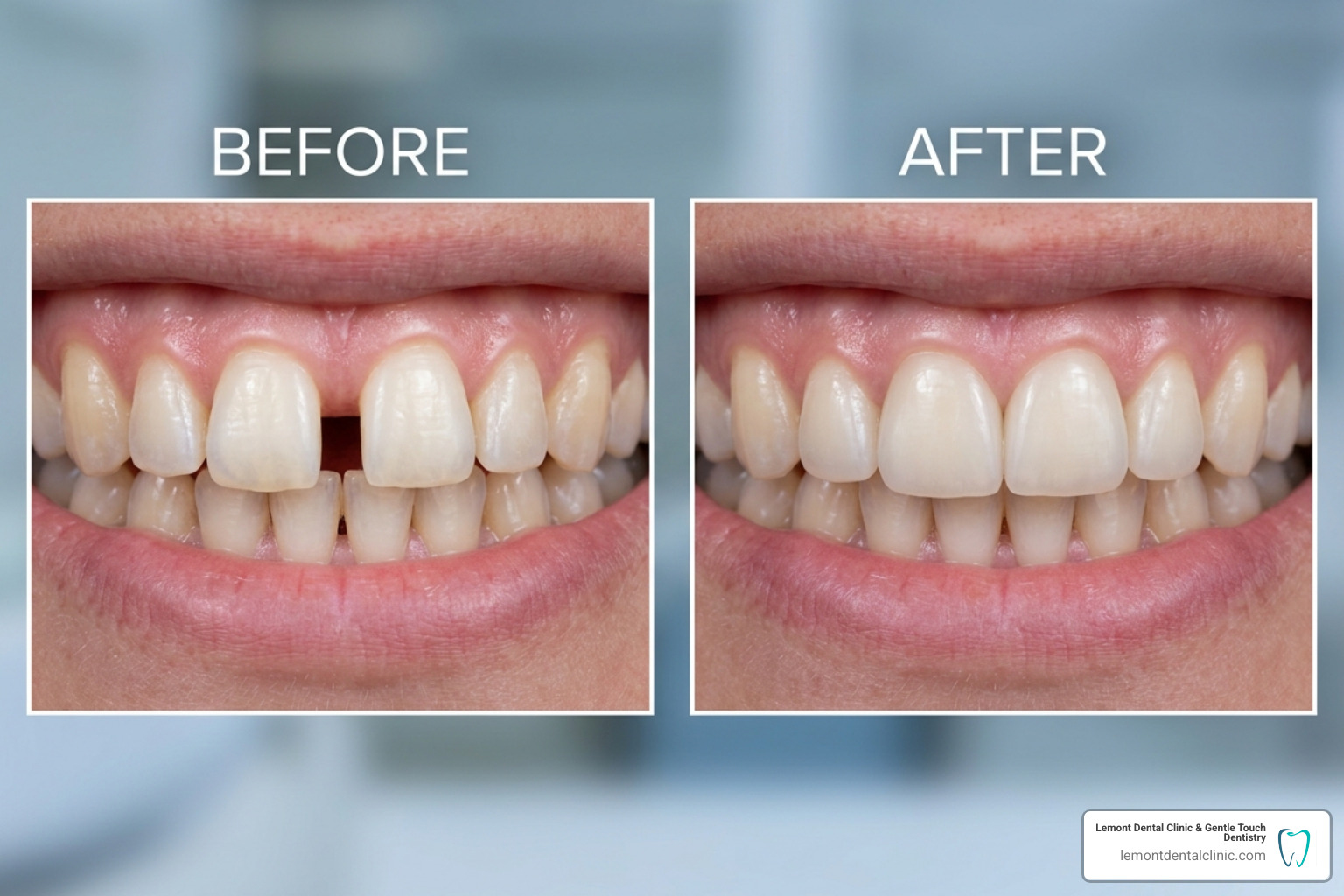
A Smile You’ll Love: What Dental Bonding for Aesthetics Can Do for You
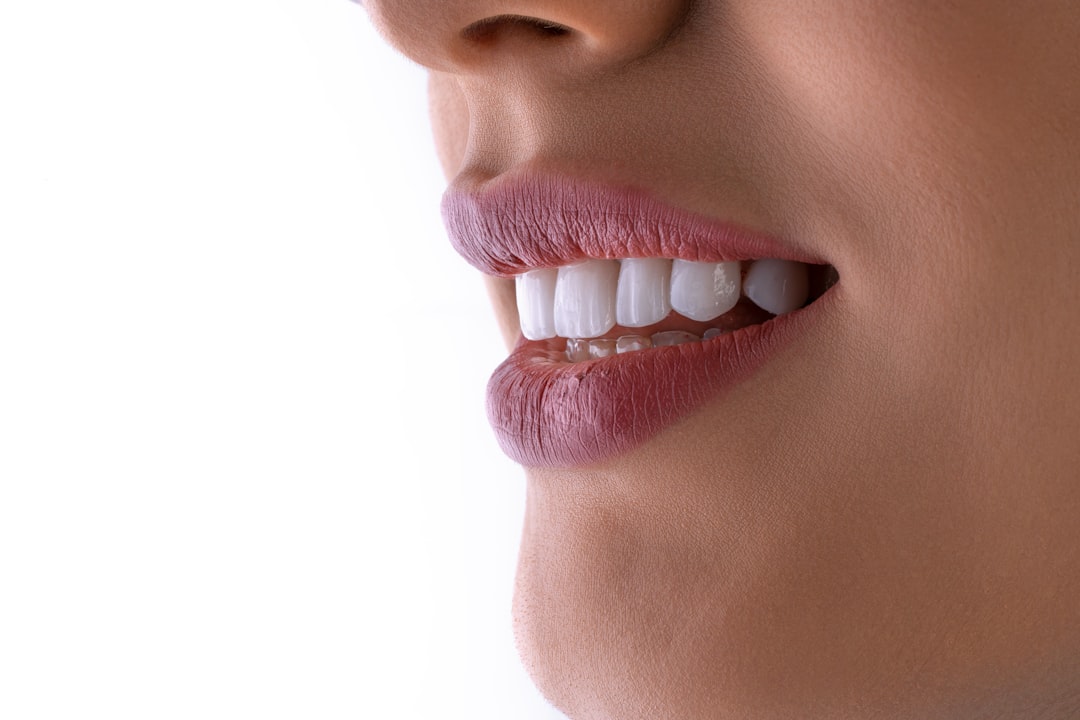
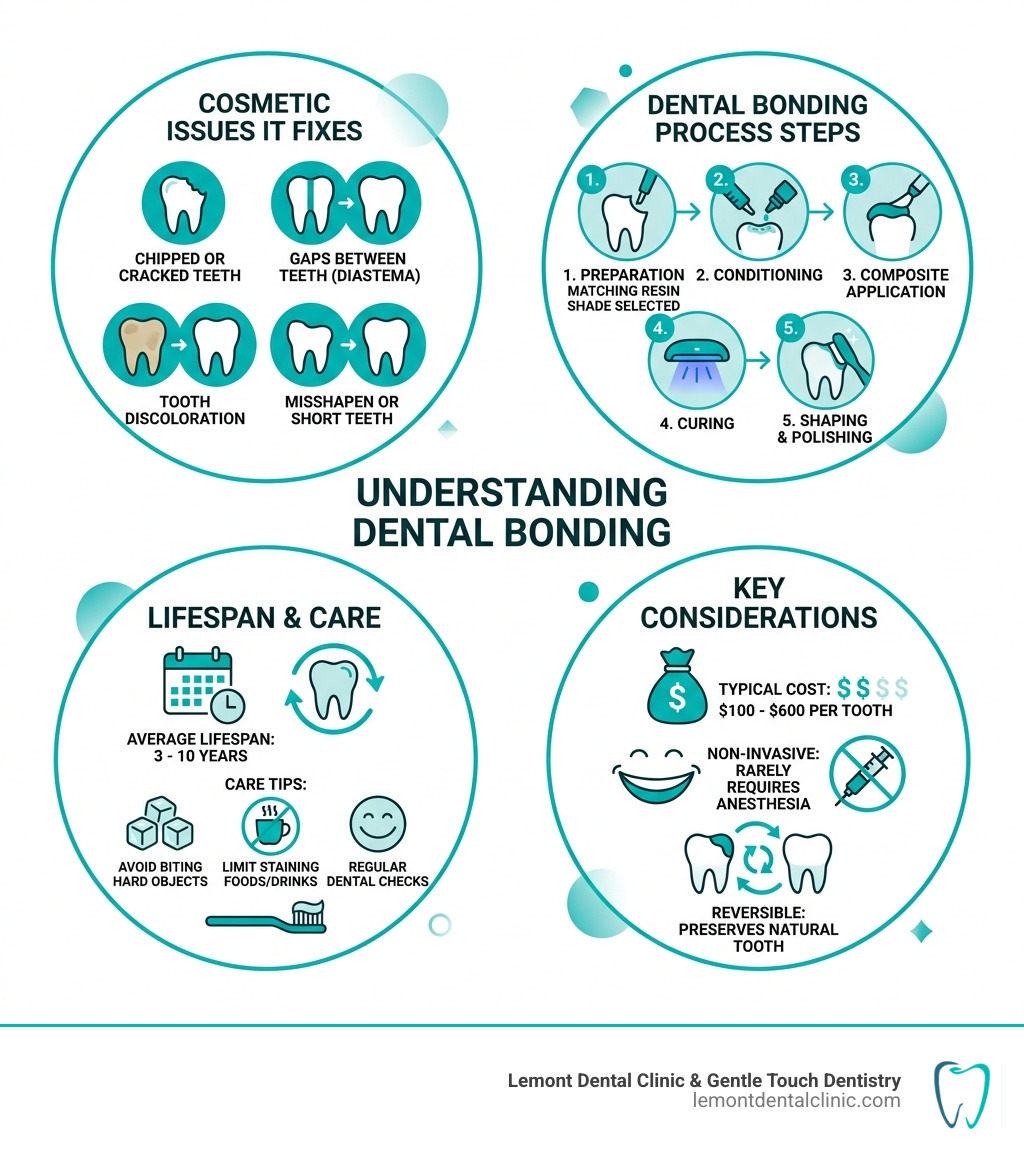
Dental bonding for aesthetics is a minimally invasive cosmetic procedure where a tooth-colored composite resin is applied directly to your teeth to fix chips, gaps, discoloration, and uneven shapes — often in a single visit lasting 30 to 60 minutes per tooth.
Quick answers at a glance:
What it fixes: Chipped teeth, gaps, stains, misshapen or short teeth
How long it takes: 30-60 minutes per tooth, usually one visit
How long it lasts: 3-10 years with proper care
Typical cost: $100-$600 per tooth
Does it hurt? Rarely — most cases require no anesthesia
Is it reversible? Yes — unlike veneers or crowns, bonding preserves your natural tooth structure
A small chip or gap in your smile can feel like a big deal. It affects how you look in photos, how you speak, and sometimes how confident you feel walking into a room. The good news? You don’t need a dramatic procedure to fix it.
Dental bonding is one of the most accessible and affordable cosmetic dental treatments available today. Your dentist sculpts composite resin — the same safe material used in tooth-colored fillings — directly onto your tooth. The result looks natural, feels comfortable, and can genuinely transform your smile.
At Lemont Dental Clinic & Gentle Touch Dentistry, we understand that many patients come to us with a mix of hope and hesitation. You want a better smile, but you’re cautious about cost, pain, or invasive procedures. Dental bonding addresses all of those concerns head-on.
This guide covers everything you need to know — from how the procedure works, to how long it lasts, to whether it’s the right choice for you.
What is Dental Bonding for Aesthetics?
When we talk about dental bonding for aesthetics, we are referring to a versatile cosmetic technique that uses a high-quality composite resin to “remodel” the visible parts of your teeth. This resin is a specialized mixture of plastic and glass-like particles that are both durable and biocompatible, meaning they play nice with your natural oral tissues.
Unlike more aggressive treatments that require us to shave down your natural enamel, bonding is all about preservation. We add to your tooth rather than taking away from it. This makes it a cornerstone of modern Smile Design Lemont strategies, where the goal is to enhance beauty while keeping the tooth’s structure as healthy as possible. According to the Cleveland Clinic, dental bonding is one of the most common and effective ways to change the shape, size, or color of a tooth without the permanence of surgery.
How Dental Bonding for Aesthetics Works
The “magic” of bonding lies in the chemical relationship between the resin and your enamel. We don’t just “glue” the material on; we create a microscopic mechanical bond.
First, we use a mild conditioning agent—usually a 15-second application of phosphoric acid—to “etch” the surface of the tooth. This doesn’t hurt, but it creates tiny, microscopic pores in the enamel. Next, we apply a liquid conditioning agent that flows into those pores. When the putty-like composite resin is placed on top, it locks into that prepared surface, creating a seamless, sturdy connection that can withstand the daily pressures of speaking and eating.
Cosmetic Issues Solved by Dental Bonding for Aesthetics
You might be surprised at just how many problems a little bit of resin can solve. We frequently use dental bonding for aesthetics to address:
Chipped or Cracked Teeth: Even a small chip can expose the inner layers of a tooth or simply look jagged. Bonding restores the smooth, natural edge.
Diastema Closure: This is the clinical term for closing gaps between teeth. If you have a space between your front teeth that bothers you, we can “build out” the sides of the adjacent teeth to close that gap perfectly.
Tooth Discoloration: Some stains are internal and won’t budge with traditional whitening. We can mask these stubborn spots with a thin layer of bright, tooth-colored resin.
Misshapen or “Short” Teeth: If one tooth looks shorter than the others or has an unusual point, we can sculpt the resin to create a more uniform, symmetrical appearance.
To see the real-world impact of these treatments, we invite you to browse our Smile Gallery, which showcases the transformations possible with these conservative techniques.
The Step-by-Step Dental Bonding Procedure
One of the biggest draws of this procedure is its efficiency. Most of our patients in Lemont and Palos Hills are busy people, and the fact that you can walk in with a chip and walk out with a perfect smile in under an hour is a game-changer. As noted by DentalPedia, the process is straightforward and highly effective. When you visit a Cosmetic Dentist Lemont Palos Hills, here is exactly what you can expect.
Preparation and Resin Application
We start with a consultation to ensure your teeth and gums are healthy. Once we’re ready to go, the actual “work” begins with shade matching. We use a physical shade guide to find the exact hue of your surrounding teeth. We often use multiple shades of resin—an opaque layer for the “dentin” and a more translucent layer for the “enamel”—to mimic the way natural teeth reflect light.
After roughening the surface and applying the conditioning liquid, we apply the resin in layers. This is where the artistry comes in. We sculpt the material by hand, ensuring it flows naturally with the curves of your existing teeth.
Curing and Final Polishing
Once the shape is perfect, we use a high-intensity “curing light” (usually a blue or UV light). This light triggers a chemical reaction in the resin, causing it to harden in seconds.
After the material is hard, we aren’t quite finished. We check your bite to make sure the new material doesn’t interfere with how your teeth meet. Then, we use a series of progressive abrasives—moving from coarse to very fine—to polish the tooth. This final step is crucial for Cosmetic Dentistry Lemont IL because it gives the bonding a natural, glass-like shine and helps it resist staining from your morning coffee.
Benefits and Comparisons to Other Treatments
When deciding how to improve your smile, it’s helpful to see how bonding stacks up against its “cousins,” porcelain veneers and dental crowns. Bonding is often the “Goldilocks” choice: it’s faster than veneers and less invasive than crowns.
Feature
Dental Bonding
Porcelain Veneers
Dental Crowns
Primary Goal
Minor Cosmetic Fixes
Major Cosmetic Overhaul
Structural Restoration
Enamel Removed
None to Minimal
Moderate
Significant
Visits Required
1 Visit
2-3 Visits
2 Visits
Longevity
3-10 Years
10-20 Years
15+ Years
Reversible?
Yes
No
No
Cost
Lowest ($100-$600)
Moderate ($800-$2,500)
Higher ($1,000+)
As detailed by Ask the Dentist, bonding is the least expensive and least invasive option, making it ideal for younger patients or those looking for a quick, reversible fix.
Bonding vs. Porcelain Veneers
The main difference here is material and preparation. Veneers are thin shells of porcelain made in a lab. To fit them, we usually have to remove a thin layer of your natural enamel, which makes the process permanent. Veneers are more stain-resistant and last longer, but they are also a much larger financial and time commitment. If you are searching for Veneers Near Me, it’s worth discussing if bonding might achieve your goals more conservatively. You can read more about these differences in our Service Post Crowns vs Veneers.
Bonding vs. Dental Crowns
While bonding is primarily for dental bonding for aesthetics, Crowns and Bridges are used when a tooth is structurally compromised. If a tooth has a massive cavity or a deep fracture, a “cap” (crown) is needed to hold it together. Bonding is generally reserved for healthy teeth with minor surface-level issues. For a deeper dive into restorative options, check out our Service Post Crowns and Bridges.
Longevity, Cost, and Aftercare for Bonded Teeth
How much does it cost, and how long will it stay looking great? These are the two most common questions we hear at our Palos Hills and Lemont offices.
On average, dental bonding costs between $100 and $600 per tooth. This price varies based on the size of the repair—fixing a tiny chip is obviously different from closing a large gap. While insurance often views bonding as “cosmetic” (and thus doesn’t cover it), they may provide partial coverage if the bonding is used to fill a cavity or repair a tooth damaged by injury.
In terms of lifespan, you can expect your bonding to last anywhere from 3 to 10 years. The wide range is due to individual habits. A person who grinds their teeth or drinks five cups of black coffee a day will need a “touch-up” sooner than someone with gentler habits. According to Colgate, the composite resin is strong, but it isn’t quite as hard as natural enamel, so it requires a bit of extra love.
Maintaining Your New Smile
To keep your bonded teeth bright and intact, we recommend the following:
Watch the Staining: For the first 48 hours after your procedure, avoid highly pigmented foods and drinks like red wine, tea, coffee, and tobacco. The resin is most porous right after placement.
Kick the Habits: If you bite your nails, chew on pens, or use your teeth as tools to open packages, your bonding will chip. Treat your bonded teeth like fine porcelain!
Nightguards: if you struggle with bruxism (teeth grinding), a custom nightguard is essential to prevent the resin from wearing down prematurely.
Standard Hygiene: Continue to brush twice a day and floss daily. While the resin can’t get a cavity, the natural tooth underneath it certainly can. You can explore all Our Services to see how we help you maintain your overall oral health.
Frequently Asked Questions about Dental Bonding
Is the dental bonding procedure painful?
Almost never! Because we are usually working on the surface of the enamel where there are no nerves, anesthesia is rarely required. The only time we might use a local anesthetic is if we are using the bonding material to fill a decayed cavity near a nerve or if we need to shape a tooth that is particularly sensitive. Most patients describe the feeling as a bit of “vibration” during the polishing phase, but nothing more.
Who is the ideal candidate for this treatment?
The best candidates for dental bonding for aesthetics are individuals with healthy teeth and gums who have minor cosmetic complaints. If you have severe tooth decay, gum disease, or major orthodontic alignment issues, we will need to address those first. Bonding is also a fantastic “trial” for people considering veneers but who aren’t quite ready to commit to the permanent enamel removal required for Service Post Veneers.
Can bonded teeth be whitened?
This is an important one: Composite resin does not respond to whitening gel. If you use a whitening kit, your natural teeth will get brighter, but your bonding will stay the same color, making it look “darker” by comparison.
The “pro tip” here is to whiten your teeth before your bonding appointment. We wait about two weeks for the color to stabilize, and then we match the resin to your new, brighter shade. If your existing bonding is already stained, the only way to “whiten” it is to have us replace the top layer of resin.
Conclusion
Your smile is often the first thing people notice about you. If a small imperfection is holding you back from smiling fully, dental bonding for aesthetics offers a fast, painless, and affordable solution. Whether you are in Lemont, Palos Hills, or surrounding areas like Oak Lawn or Orland Park, our team is here to help you achieve the look you’ve always wanted.
At Lemont Dental Clinic & Gentle Touch Dentistry, we pride ourselves on providing high-quality, comprehensive care that fits your budget and your lifestyle. We don’t believe in “one size fits all” dentistry; we believe in personalized solutions that respect your natural beauty.
Ready to see what bonding can do for you? More info about our services is just a click away, or you can call us today to schedule your consultation. Let’s give you a smile you can be proud of!