Why Understanding Deep Cleaning Recovery Time Matters for Your Oral Health
One of the most common questions after a deep cleaning is, how long does deep cleaning take to heal? While most people see significant improvement within a week, full healing typically occurs within 2-6 weeks. This procedure, also called scaling and root planing, is more intensive than a regular cleaning because it targets bacteria and tartar below the gum line to treat gum disease.
Quick Answer: Deep Cleaning Healing Timeline
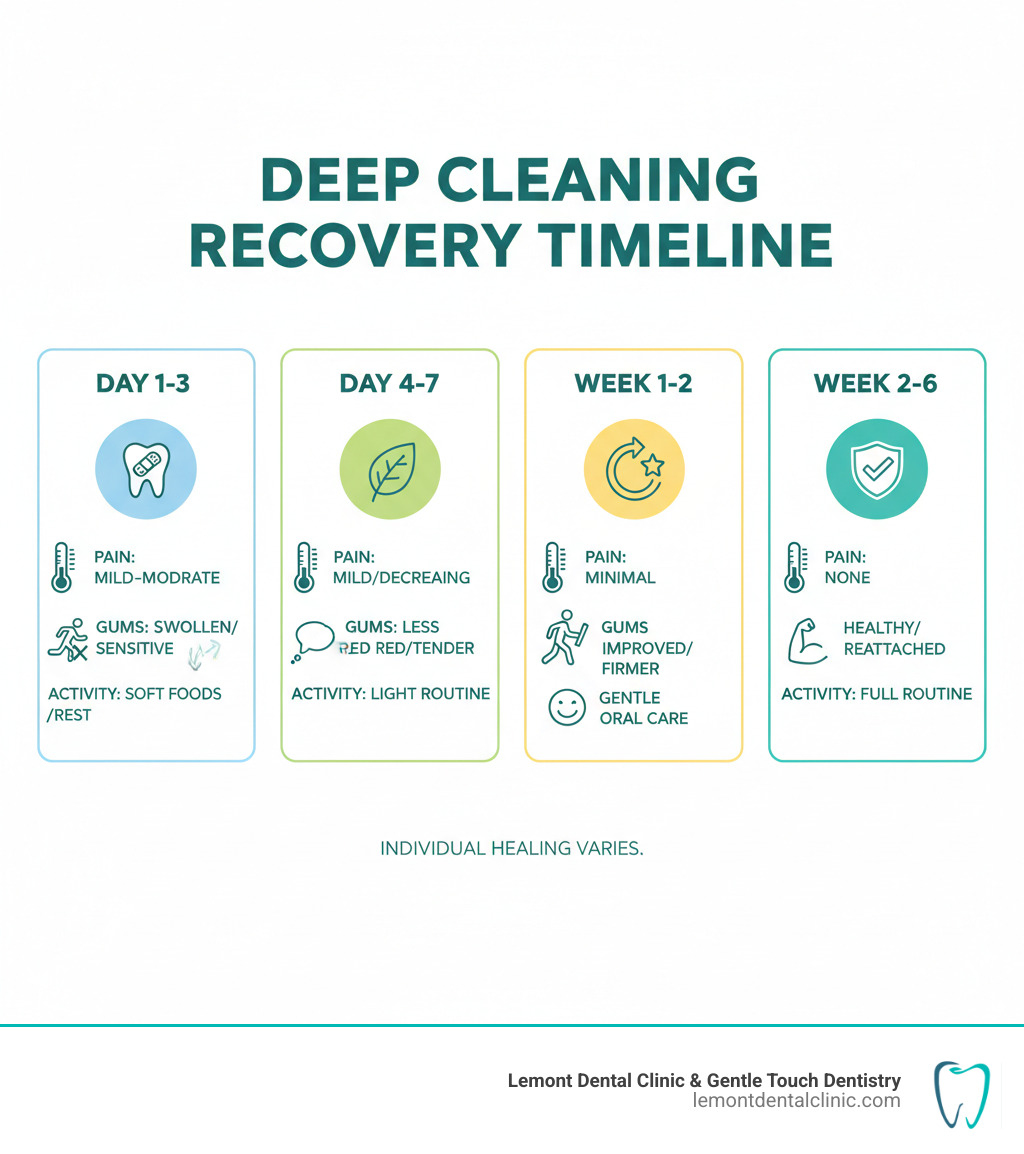
First 24-72 hours: Numbness wears off, mild soreness and sensitivity begin.
Days 3-7: Initial healing starts, swelling reduces, and discomfort subsides.
Week 1-2: Gums feel noticeably better with reduced inflammation.
Weeks 2-6: Complete gum reattachment and tissue healing occurs.
Most patients: Can return to normal routines the same day.
The healing process varies based on the severity of your gum disease, your overall health, and how closely you follow aftercare instructions. At Lemont Dental Clinic & Gentle Touch Dentistry, we find that patients who understand the recovery process tend to heal faster and achieve better long-term results.
Understanding Deep Cleaning (Scaling and Root Planing)
To understand how long does deep cleaning take to heal, it helps to know what the procedure entails. Unlike a regular cleaning, a deep cleaning (scaling and root planing) is a treatment for active gum disease. For an overview of the procedure itself, see Scaling and root planing.
According to the Centers for Disease Control and Prevention (CDC), millions of American adults have some form of gum disease. This happens when plaque and tartar accumulate below the gum line, creating pockets between the teeth and gums. These pockets harbor harmful bacteria that destroy gum tissue and can even affect your overall health by entering the bloodstream.
A deep cleaning targets these hidden areas that brushing and routine cleanings can’t reach, aiming to restore gum health and stop periodontal disease from progressing.
Why a Deep Cleaning is a Necessary Step for Gum Health
Why not just a regular cleaning? Gum disease starts as gingivitis—red, swollen gums that may bleed. If left untreated, it can advance to periodontitis. In this stage, the infection deepens, causing gums to pull away from the teeth. This process can destroy the bone and tissue supporting your teeth, leading to tooth loss.
A deep cleaning intervenes to halt bone loss by removing the bacteria causing the damage. This gives your gums a chance to heal and reattach to your teeth. Addressing gum disease is also crucial for your general well-being due to the oral-systemic health link. Bacteria from gum infections can travel through the bloodstream and may contribute to heart disease, respiratory issues, and other health complications.
Understanding the deep cleaning process helps clarify the healing timeline. We use a local anesthetic to ensure your comfort since we’ll be working below the sensitive gum line.
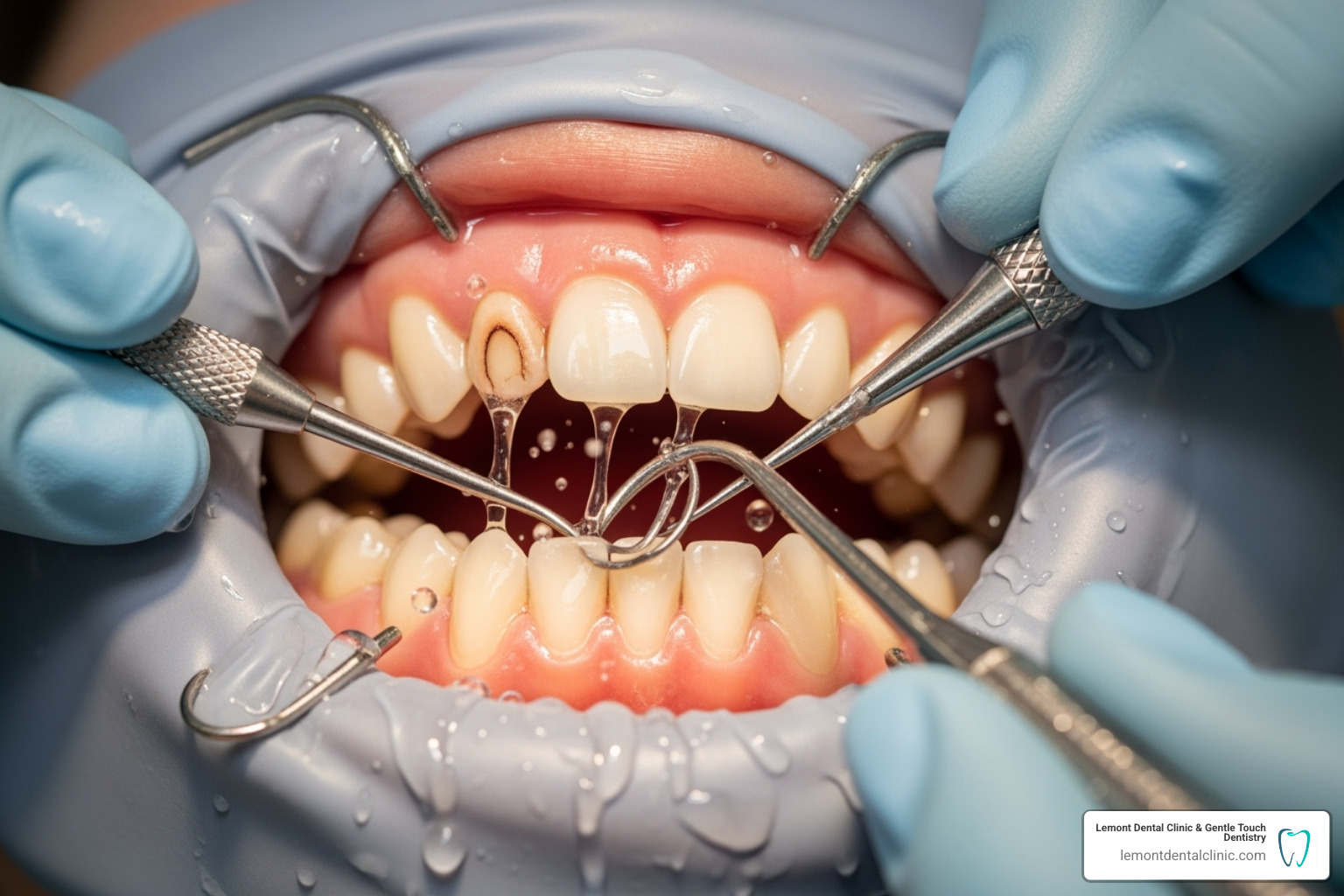
Scaling: We use ultrasonic tools and fine manual scalers to remove all plaque and hardened tartar (calculus) from above and below the gum line.
Root Planing: We then smooth the root surfaces of your teeth. Rough spots from bacterial buildup are smoothed out, making it difficult for new bacteria to attach. This smooth surface encourages your gums to reattach firmly to the teeth.
This gum reattachment is a key goal of the treatment and a primary reason why full healing takes several weeks. The procedure typically lasts one to two hours and may be split into two appointments.
The Healing Timeline: How Long Does Deep Cleaning Take to Heal?
It’s natural to wonder how long does deep cleaning take to heal. The good news is that your gums begin healing almost immediately. While you’ll notice improvements within the first week, the deeper healing—where gums reattach to your teeth—takes more time.
The First 24-72 Hours: What to Expect Immediately After
In the first few days, you’ll experience the most noticeable changes as your gums begin to recover. As the numbness from the local anesthetic wears off (usually in 2-4 hours), you can expect:
Mild soreness and gum tenderness, especially when eating or brushing.
Minor bleeding (light pink saliva), which should decrease daily.
Tooth sensitivity to hot, cold, or sweet items. This occurs because the newly cleaned root surfaces are exposed.
Most patients can resume normal activities the same day. Our General Dentistry Services team is available if you have any concerns.
The First Week: Your Initial Recovery Phase
During the first week, you’ll see significant progress. The initial recovery phase lasts about 5-7 days on average. You’ll notice:
Reduced swelling as your gums become less puffy.
Subsiding discomfort, making eating and brushing more comfortable.
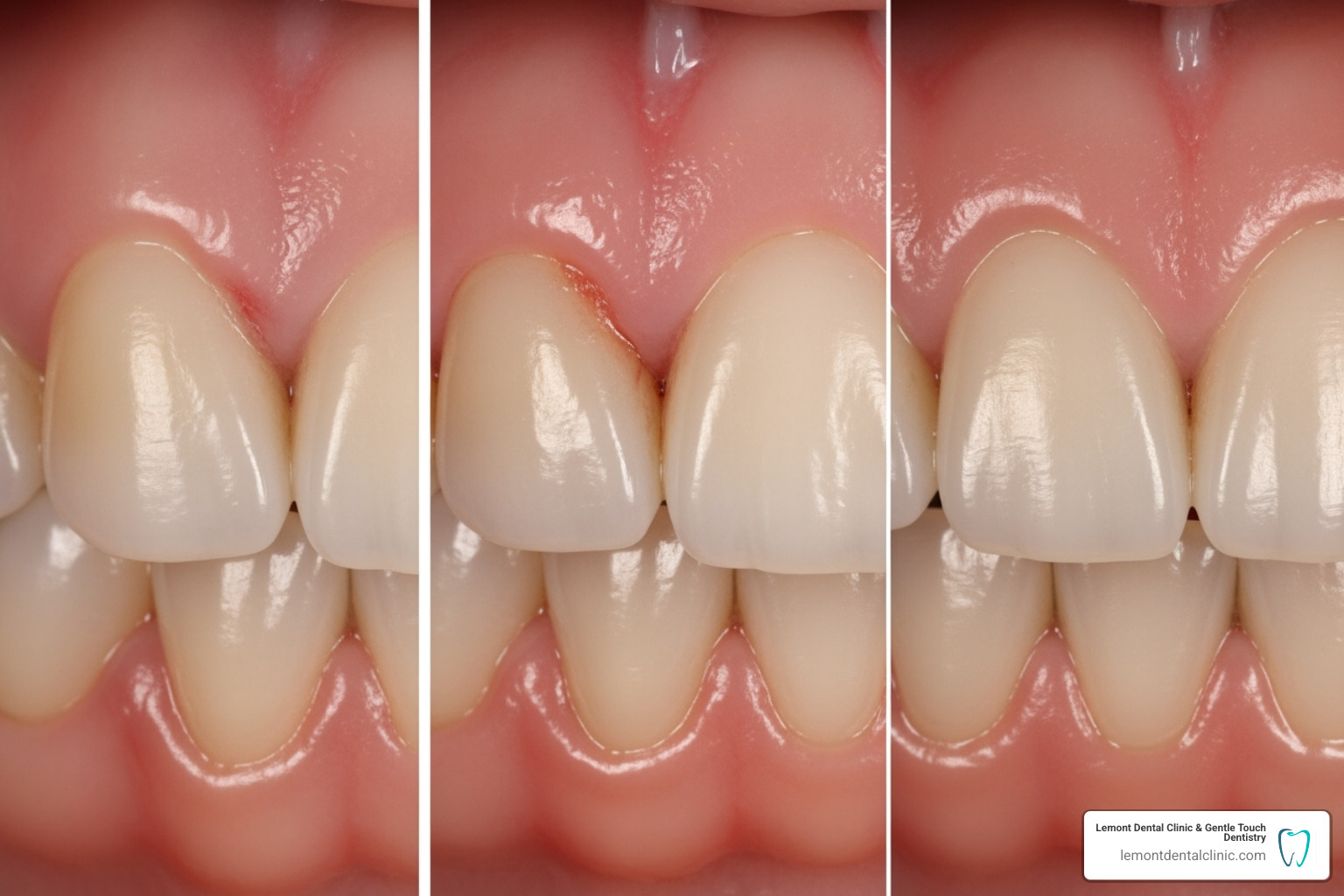
Healthier gum appearance, with the color changing from red back to a healthy pink.
This week is crucial for establishing good healing habits. Regular Check-ups allow us to monitor your progress.
Long-Term Healing: The Path to Full Gum Reattachment
While initial discomfort fades quickly, complete healing takes place over several weeks. This is when the most important work happens.
2-6 Week Timeline: During this period, your gum tissue will continue tightening around the teeth, creating a healthy seal that protects against bacteria.
Reduced Pocket Depths: As your gums reattach to the clean root surfaces, the pockets that harbored bacteria will become shallower and easier to clean.
Decreased Sensitivity: Sensitivity to temperature will gradually fade as your gums heal.
We will schedule follow-up appointments to measure your pocket depths and ensure your healing is on track. Each day brings your gums closer to optimal health.
What Factors Affect How Long a Deep Cleaning Takes to Heal?
While there’s a general timeline, several factors influence how long does deep cleaning take to heal for you personally. Understanding these can help you set realistic expectations and take steps to promote a faster recovery.
The severity of your gum disease is a primary factor; mild cases often heal faster than advanced periodontitis. Your overall health also plays a significant role, as a strong immune system is crucial for recovery.
The Role of Your Health and Lifestyle
Your body’s healing capacity is influenced by your daily habits and health status.
Systemic Conditions: Conditions like diabetes can slow healing, as high blood sugar levels interfere with the body’s repair processes. A compromised immune system response can also extend recovery time.
Tobacco Use: Smoking and other tobacco products are major obstacles to healing. They restrict blood flow to the gums, depriving them of the oxygen and nutrients needed for repair. Smokers may take significantly longer to heal.
Alcohol and Stress: Excessive alcohol consumption and high stress levels can suppress the immune system, making it harder for your body to heal your gums.
The Importance of Your At-Home Oral Care Routine
Your commitment to aftercare is the factor you have the most control over, and it can dramatically affect your healing time.
Brushing Technique: Use a soft-bristled toothbrush with a gentle, circular motion to clean your teeth without irritating healing tissues.
Flossing Consistency: Gentle but consistent flossing is vital to prevent new plaque buildup and promote healing.
Following Aftercare: The patients who heal fastest are those who diligently follow all aftercare instructions, including taking medications, using prescribed rinses, and adhering to dietary guidelines. Excellent oral hygiene is key to the long-term success of your deep cleaning.
Your Aftercare Playbook for a Smooth Recovery
The care you provide after your deep cleaning directly impacts how long does deep cleaning take to heal and the long-term success of the treatment. Follow this guide to ensure your recovery is as smooth and swift as possible.
Managing Discomfort and Sensitivity
Some post-procedure discomfort is normal, but it’s typically easy to manage.
Over-the-counter pain relievers like ibuprofen (Advil) or acetaminophen (Tylenol) can effectively manage mild to moderate pain. Ibuprofen also helps reduce inflammation.
Warm saltwater rinses (half a teaspoon of salt in 8 ounces of warm water) used 3-4 times daily can soothe irritation, reduce swelling, and help prevent infection.
Desensitizing toothpaste can provide significant relief for tooth sensitivity. It may take a few days of use to become fully effective.
If your discomfort is more significant than expected or doesn’t improve, please contact us. We can provide additional guidance to ensure your comfort.
Eating and Drinking Post-Procedure
For the first few days, be gentle with your healing gums by making smart food choices.
Stick to a soft food diet: Choose items like scrambled eggs, yogurt, smoothies, lukewarm soup, mashed potatoes, and pasta. These foods require minimal chewing.
Avoid certain foods: Steer clear of hot, spicy, hard, or crunchy foods (like chips, nuts, and popcorn) that can irritate your gums or get stuck in healing areas.
Stay hydrated: Drink plenty of water to support your body’s healing process and keep your mouth clean. Avoid alcohol and sugary drinks, which can interfere with healing.
How to Brush and Floss Without Harming Your Gums
Proper oral hygiene is crucial, but it must be done gently.
Use a soft-bristled toothbrush with gentle, circular brushing motions, paying special attention to the gum line.
Continue to floss, but use a gentle, controlled technique. You may need to avoid the most sensitive areas for a day or two, but resume as soon as you can to prevent plaque buildup.
Rinse with warm saltwater if some areas are too tender to brush or floss initially. Gradually return to your normal routine as comfort allows.
Your goal is to clean your teeth in a way that supports, rather than hinders, the healing process.
Red Flags: When to Contact Your Dentist After a Deep Cleaning
While some side effects are normal after a deep cleaning, it’s important to know which symptoms warrant a call to your dentist. Recognizing potential complications ensures how long does deep cleaning take to heal isn’t extended by a preventable issue.
Normal Side Effects vs. Potential Complications
It’s normal to experience the following temporary symptoms as your gums heal:
Expected soreness: Tenderness that gradually decreases each day.
Temporary sensitivity: Sensitivity to hot, cold, or sweet foods that improves over time.
Minor swelling: Puffiness in the gums that starts to go down within a week.
Light bleeding: A small amount of blood when brushing or rinsing for the first day or two.
These are all signs that your body is healing properly.
Warning Signs That Require Professional Attention
Contact us immediately if you experience any of the following red flags, as they may indicate an infection or other complication:
Severe or worsening pain: Discomfort that is intense, doesn’t respond to pain medication, or gets worse after the first few days.
Excessive bleeding: Heavy bleeding that doesn’t stop with gentle pressure.
Pus or discharge from your gums: A clear sign of infection, often accompanied by a bad taste or smell.
Fever: May indicate a systemic infection.
Persistent swelling: Swelling that doesn’t improve or gets worse after a few days.
Don’t hesitate to reach out if you’re concerned about your recovery. Your comfort and successful healing are our top priorities. You can easily get in touch through our Contact Us page.
Frequently Asked Questions about Deep Cleaning Recovery
Here are answers to some of the most common questions we hear from patients at Lemont Dental Clinic & Gentle Touch Dentistry about deep cleaning recovery.
How often is a deep cleaning necessary?
There is no one-size-fits-all answer, as the frequency depends on your specific needs. Individual needs and risk factors for gum disease (like genetics, smoking, or diabetes) play a large role. Some patients may only need one deep cleaning, followed by more frequent periodontal maintenance cleanings every 3-4 months instead of the standard six. Your dentist’s recommendation, based on your gum health and pocket depths at follow-up visits, will determine the best care plan for you.
Will my teeth feel loose after a deep cleaning?
Your teeth should not become loose, but you might notice a temporary sensation of them feeling different. Before the cleaning, inflamed, swollen gums may have “cushioned” your teeth. As the reduced inflammation causes your gums to shrink to a healthier size, this feeling goes away. The gum reattachment process actually creates a tighter, stronger seal around your teeth, improving long-term support. This new sensation is usually a sign of successful healing.
How is a deep cleaning different from a regular cleaning?
Understanding this difference explains why how long does deep cleaning take to heal is longer than recovery from a regular cleaning.
Depth: A Regular Cleaning focuses on tooth surfaces above the gumline. A deep cleaning targets bacteria and tartar far below the gumline in deep periodontal pockets.
Purpose: Regular cleanings are for prevention in a healthy mouth. Deep cleanings are a treatment for active gum disease.
Anesthesia: Regular cleanings rarely require numbing. Deep cleanings almost always use local anesthetic for comfort, as the procedure works on sensitive, infected tissue.
In short, a regular cleaning maintains health, while a deep cleaning is a necessary therapy to stop infection, halt bone loss, and save your teeth.
Conclusion
Understanding how long does deep cleaning take to heal empowers you to steer your recovery with confidence. While initial healing and discomfort subside within 5 to 7 days, the complete process of gum reattachment can take 2 to 6 weeks. Your commitment to aftercare is the key to a fast and smooth recovery.
A deep cleaning is a powerful reset for your oral health. It eliminates hidden infections, helps prevent tooth and bone loss, and reduces health risks linked to gum disease. The investment you make in your gum health today will provide long-term benefits for your smile and overall wellness.
At Lemont Dental Clinic & Gentle Touch Dentistry, we are proud to serve patients throughout Lemont, Palos Hills, Chicago Ridge, Worth, Palos Park, Hickory Hills, Oak Lawn, Orland Park, Palos Heights, Bolingbrook, Romeoville, Palisades, and Lockport Heights. Our experienced doctors use the latest technology to provide high-quality, comprehensive dental care.
Whether you’re ready to Schedule your next dental cleaning or have questions about maintaining your gum health, our team is here to support you. Your journey to a healthier smile continues with your follow-up care, and we look forward to being your partner in health.